In 1920 a logger camped on the old battlefield at Droop Mountain, West Virginia, and woke to a headless Confederate soldier floating past his fire. The mountain's older rule is stricter: take anything off it, and the rocks follow you home.
In 1920, a retired logger named Edgar Walton bedded down for the night on the old battlefield at Droop Mountain, outside Hillsboro in Pocahontas County, West Virginia. A rustling sound woke him. When he sat up, a Confederate soldier with no head was floating past him in the dark. Pocahontas County's tourism office tells that night a little differently, as two unnamed campers, one of them off gathering firewood when a headless figure came and stood in front of him.
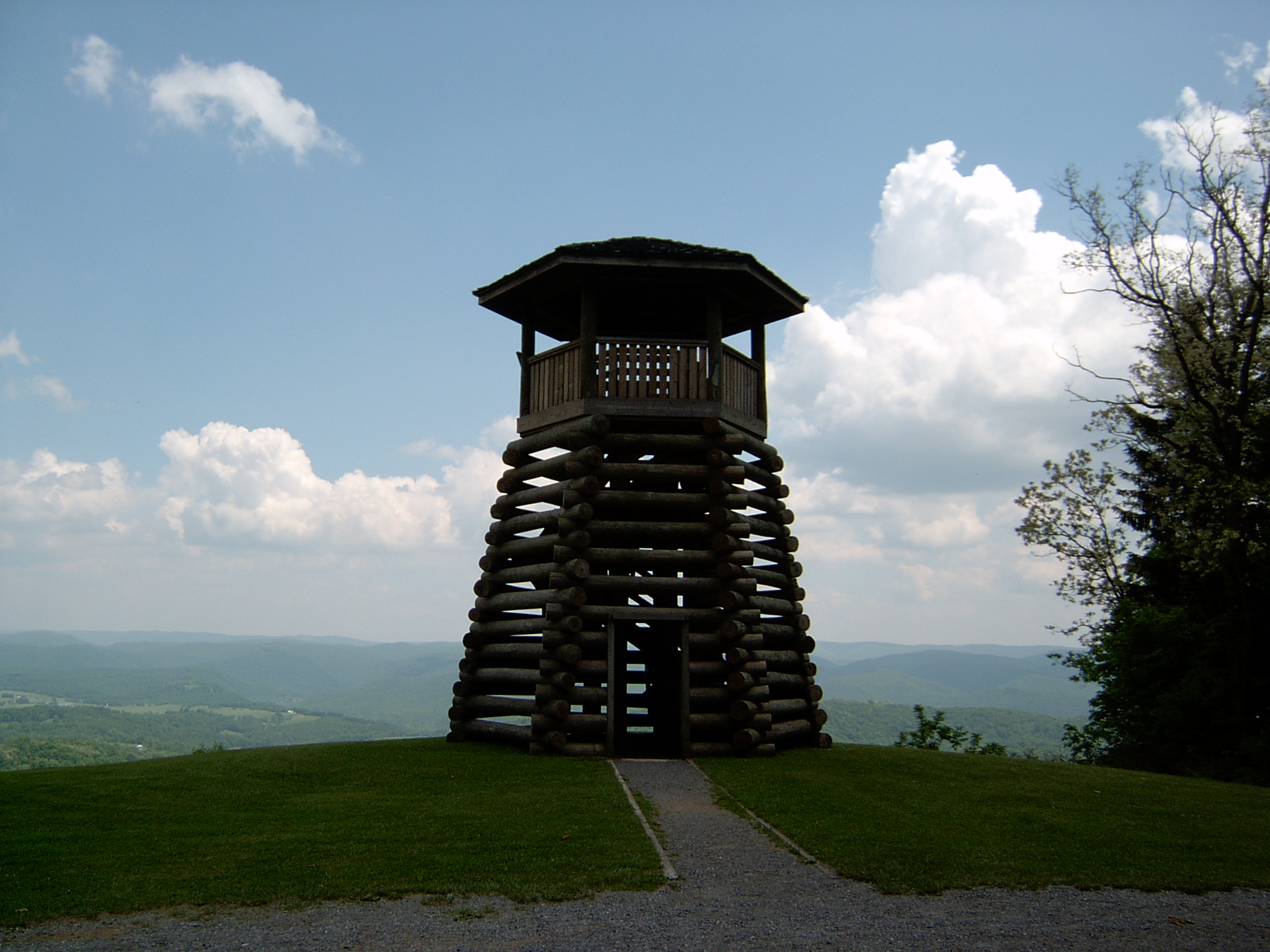
The ground had earned its soldiers 57 years earlier. On November 6, 1863, Union Brig. Gen. William W. Averell moved onto the mountain against Brig. Gen. John Echols with a force several times the size of the Confederate line; sources put the Union count anywhere from 3,000 to 6,700 against roughly 1,700 Confederates. The fighting ran close to six hours of artillery, musketry and hand-to-hand fighting before the Confederate left broke at a position the state encyclopedia calls the Bloody Angle. Casualties came to 394, and 275 of them were Confederate. It was the largest and last major Civil War engagement fought on West Virginia soil, and the park today holds a Confederate cemetery and what the state parks system calls untouched grave sites of fallen soldiers.
The older story on this mountain, though, is about carrying something away. In 1865, two sisters, Betty and Nancy Snedegar, were picking berries on the east side when they came across two guns abandoned in the grass. They tried to take them home. Rocks came at them out of nothing: "rocks were thrown at them but they saw no person."
Whatever it was followed them indoors. A Pocahontas County history account, drawn from Terry Lowry's battle history "Last Sleep," has things coming down the chimney and knocking the lids off the pots, rocks passing through the log walls without leaving holes, the sheepskin rugs rearing up off the floor, and "dog irons would come out of the fireplace and race around the room." It went on until somebody carried the two guns back up the mountain and set them down on the exact spot where the girls had found them. Then the house went quiet.
The rule outlived the family. Jason Burns, a storyteller who visited the park as a boy, told Wonderful West Virginia that people who take Civil War bullets home from Droop Mountain get followed for it: "the spirits follow them home and freak them out until they return the artifacts."
West Virginia's own state parks site lists what people report on the field now, the sound of galloping horses and a Confederate soldier sleeping against a tree. Battle trenches are still visible along the hiking paths. Visitors go looking, and every so often one of them bends down and picks something up.