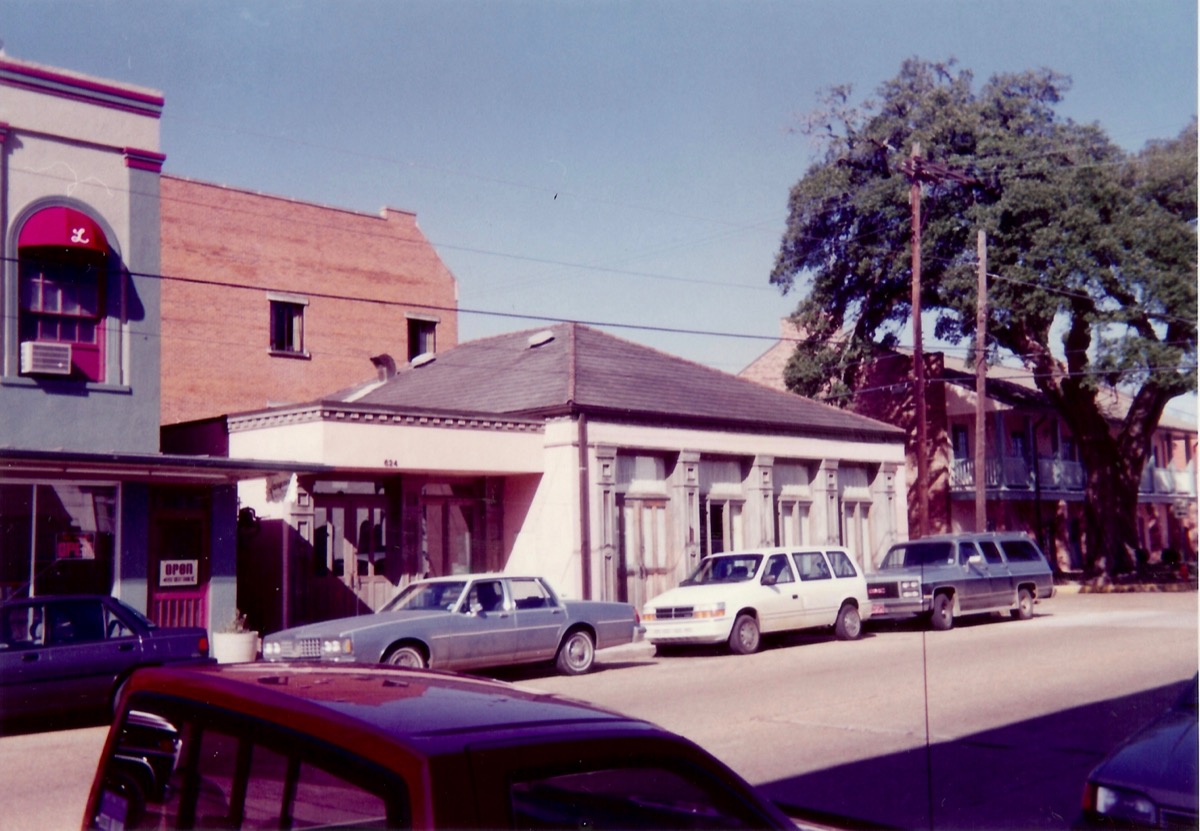
At an antique shop on Front Street in Natchitoches, Louisiana, the staff learned to say good morning to a ghost girl the moment they opened. Forget her, the owner said, and merchandise flew off the walls, hair got pulled, and she'd say your name.
At Plantation Treasures, an antique shop on the old brick Front Street in Natchitoches, Louisiana, the staff started each day by saying good morning to a little girl no one could see. Skip it, the owner said, and they paid for it.
Forget to greet her, and the story goes she'd throw a temper tantrum: break something, grab your hair, and sometimes say your name out loud. Owner Tina Rachal told a local news crew in 2013 that things would fly off the shelves and walls, not because customers were handling them. The family that owned the building back in the early 1900s, the Hugheses, always said their daughter had died there and never left. A paranormal group that visited later took to calling her Amelia, though no record ties that name to the child, and reported a purse thrown across the floor and two other women in the building besides her.
There was a back spiral staircase, too, that customers liked to photograph. The pictures, workers said, kept coming out blurred and distorted, as if something didn't want its image taken.
Rachal lived with it for years. Then came the day she called the last straw. The shop had crosses for sale, and one afternoon the crosses started falling on their own, hitting sales associates in the head. "We had crosses for sale and these crosses started falling even on our sales associates," she said. "It would hit them in the head." She decided that whatever it was, ghost or something worse, it was sacrilegious and it had to go. She and a fellow churchgoer walked the whole building praying and quoting scripture. After that, she said, the occurrences never happened again.
"It was beyond a shadow of a doubt that there was absolutely something within the building," she said.
The girl is the better story, but she isn't the one the ghost guides lead with. They point instead to a Confederate soldier seen walking Front Street, an apparition residents and shop owners have reported for generations. He belongs to the spring of 1864, when a Union army of roughly 30,000 men under Maj. Gen. Nathaniel Banks occupied Natchitoches before marching toward defeat at Mansfield.
The street itself predates almost everything around it. Natchitoches was founded around 1714, the oldest settlement in the Louisiana Purchase territory, older than New Orleans. The blocks where Truvy's salon stood in Steel Magnolias are the same ones a soldier keeps walking, and where the staff once said good morning to a child before they unlocked the door.