At Perryville Battlefield in Boyle County, Kentucky, people walking the fields at dusk keep hearing a horse gallop hard past them. They turn, and there's nothing there. It's the most-told ghost story on the property, and the lore gives the horse a name.
At Perryville Battlefield in Boyle County, Kentucky, people walking the open fields at dusk keep hearing a horse. It comes up behind them at a hard gallop, close enough that they turn to get out of its way, and there's nothing there. It's the most-repeated paranormal account on the property, and the one locals will tell a stranger first.
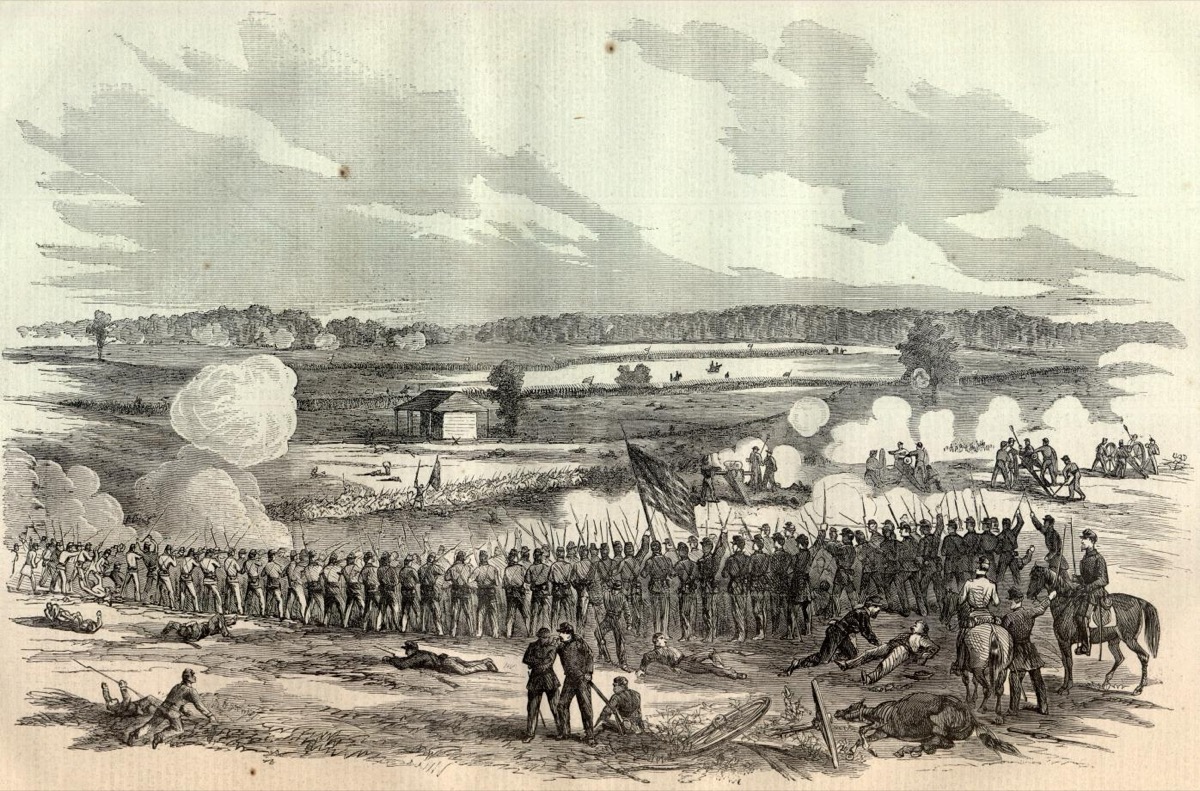
The lore gives the horse a name: Dixie. On October 8, 1862, the Battle of Perryville was fought across these fields between Don Carlos Buell's Union army and Braxton Bragg's Confederates. Confederate Brigadier General Patrick Cleburne was charging the Union line when an artillery shell killed the horse out from under him, named Dixie, and wounded him in the ankle. He stayed in command. More than 7,600 men were killed, wounded, or missing by nightfall.
Joni House, the park's program coordinator, heard the horse herself. She was camping on the grounds with reenactors when hoofbeats came up the pavement near the camp. They checked. Every horse in camp was accounted for. House thinks the place probably is haunted, and she has her own reasons: she's heard people talking to her in an empty office, found a mannequin head sitting in the middle of her floor.
She isn't the only one to hear things in the open. A local investigator with the group Spirit Hunters of Central Kentucky described one field session this way: "We heard cannon fire down there. We heard a phantom horse. It was so strong we were expecting a deer or something to burst out." People walking the property after sunset have reported the same recurring set: musket and cannon fire with no source, flickering lanterns, voices in the dark, and balls of light drifting along at a walking pace.
The horse isn't the only figure people meet out there. The story most often told about the H.P. Bottom House happened on the front porch, where friends watched a Confederate soldier walk in out of the field, materializing as he came. "Ladies, the lamp will give our position away," he told them. Then he turned and walked back into the dark, dissolving as he went. Up the road, the Dye House served as a Confederate field hospital after the battle, and blood stains still mark the upstairs floorboards where the surgery was done.
When the Union dead were moved to a national cemetery in 1867, the Confederate dead stayed. By 1886, 435 of them were buried on Bottom's land, and they're still there. The men who left are the ones long gone. The ones who never made it home are the ones people keep meeting in the field at dusk.