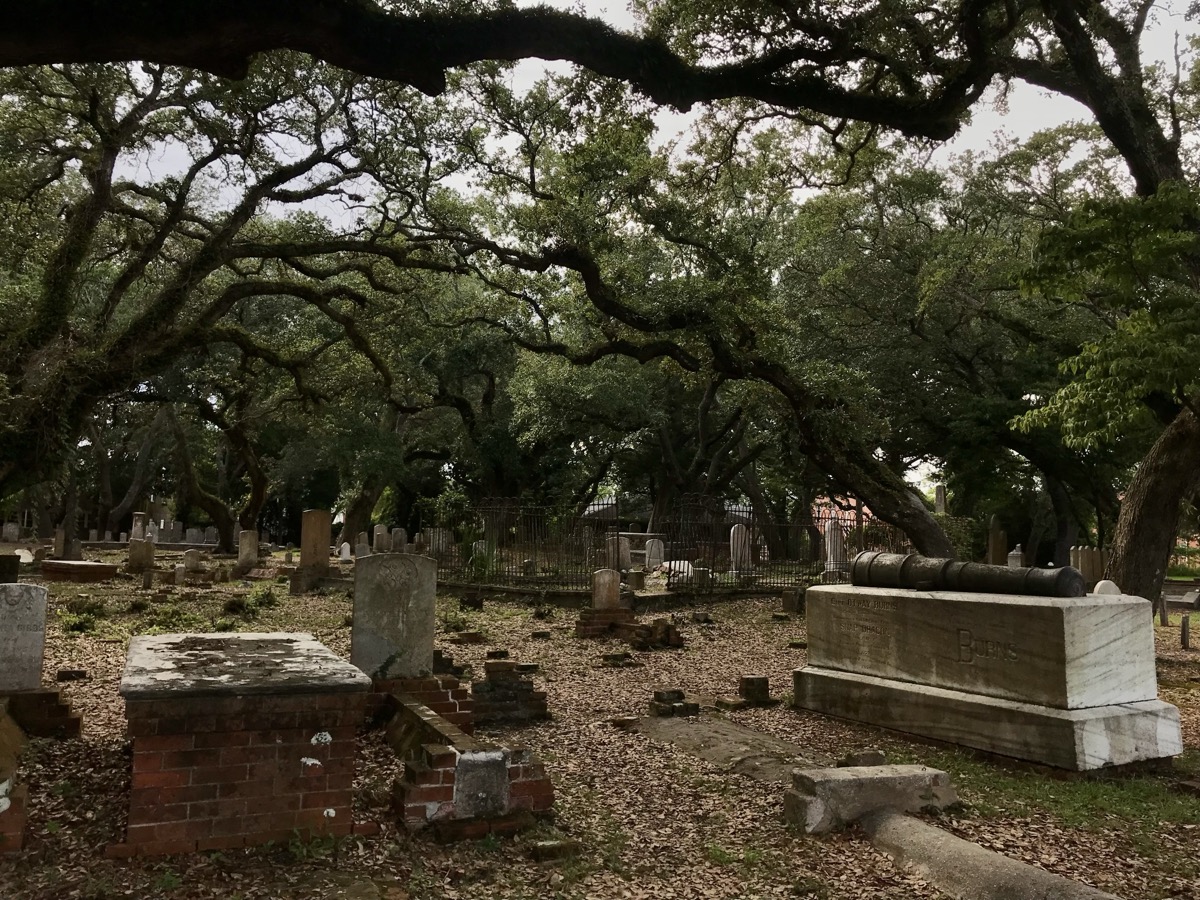
At the Old Burying Ground in Beaufort, North Carolina, one grave carries four hand-cut words and no name: "Little Girl Buried in Rum Keg." Visitors have left her toys for decades, and some say they hear a child humming among the live oaks.
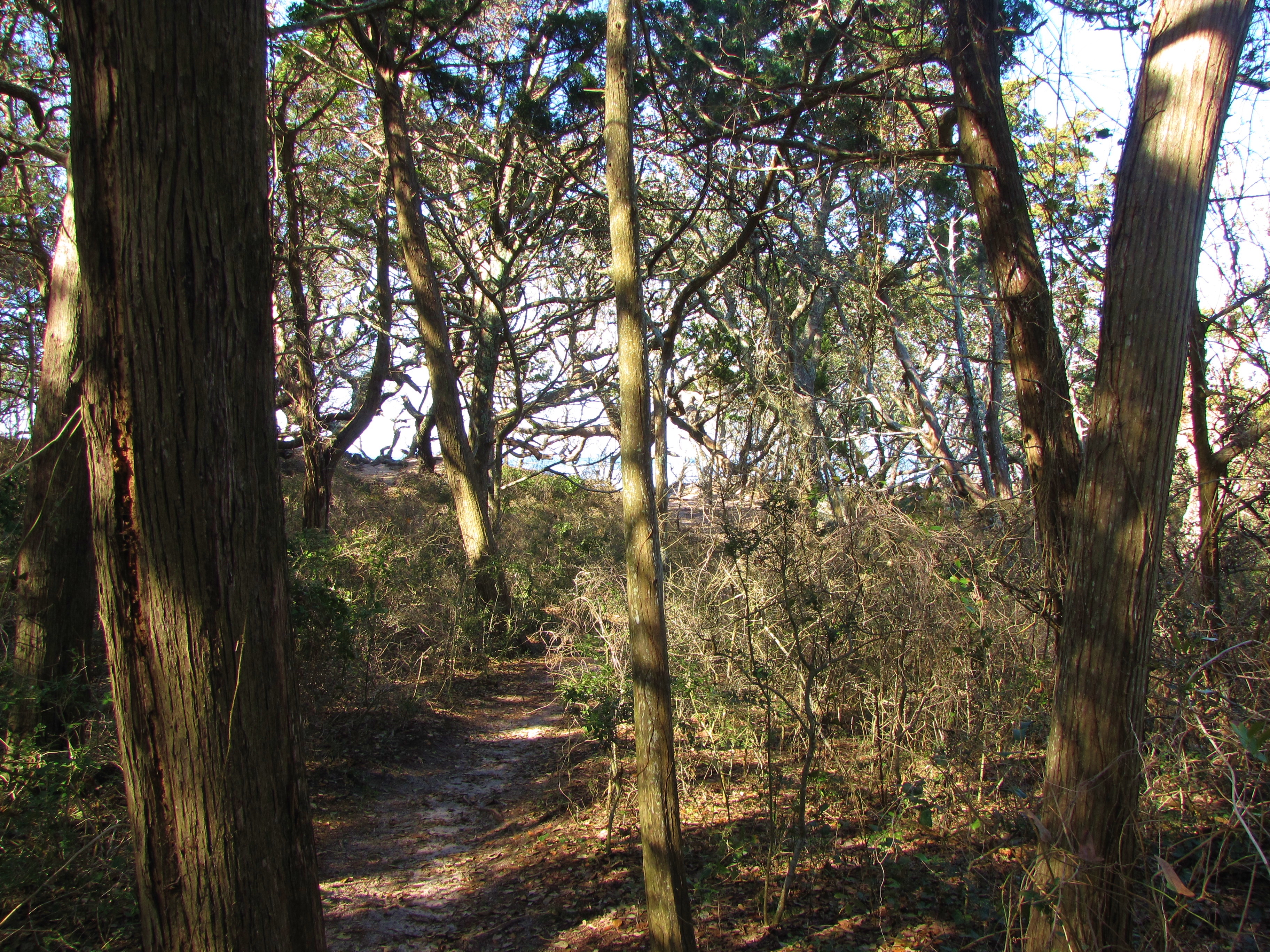
At the back of the Old Burying Ground in Beaufort, North Carolina, under live oaks and vines, a weathered cypress slab carries four words and no name: "Little Girl Buried in Rum Keg." People have been leaving toys on it for decades. Teddy bears, dolls, beads, coins, all of it faded from years in the salt air. The grave is one of the most-loved tombs in the state, and nobody is sure who the child in it actually was.
The story goes that an English family's daughter begged to see the country she'd come from, so her sea-captain father took her along on a voyage to London. She died on the way home. He had promised his wife he would bring the girl back, and he didn't want to break that promise by burying her at sea. So he bought a keg of rum from the ship's stores, sealed her body inside it, and carried her home to Carolina that way.
The grim part is that this was a real thing people did. A Wilmington woman who died of yellow fever in Cuba in 1857 was brought home in a hogshead of liquor. A Maine girl was buried in a rum cask in 1873 after dying on a trading voyage. The method holds. It's the rest of the story that doesn't.
No record names the girl, her father, her mother, or the voyage. The one documented fact behind any of it is that a man named Nathaniel Sloo bought a Front Street lot in Beaufort in 1768, then sold it without ever building. Patricia Suggs of the Beaufort Historical Association has said it is "entirely possible that the rum keg girl story could be a fanciful fabrication." So you're left with a real grave, with a real child under it, and a story nobody can prove wrapped around her like the keg itself.
People report her anyway. Visitors who come after dark say they've seen a young girl wandering among the trees and graves, and heard humming when no one else is around. Others describe her running and playing between the stones. And the toys left on the slab don't always stay where they were set down. They turn up moved around the graveyard, balanced on top of other people's stones, in places the wind couldn't have carried them.
The cemetery is gated and locked after dark, owned by the town and tended by the historical association. Whatever moves the toys does it after the gate closes.