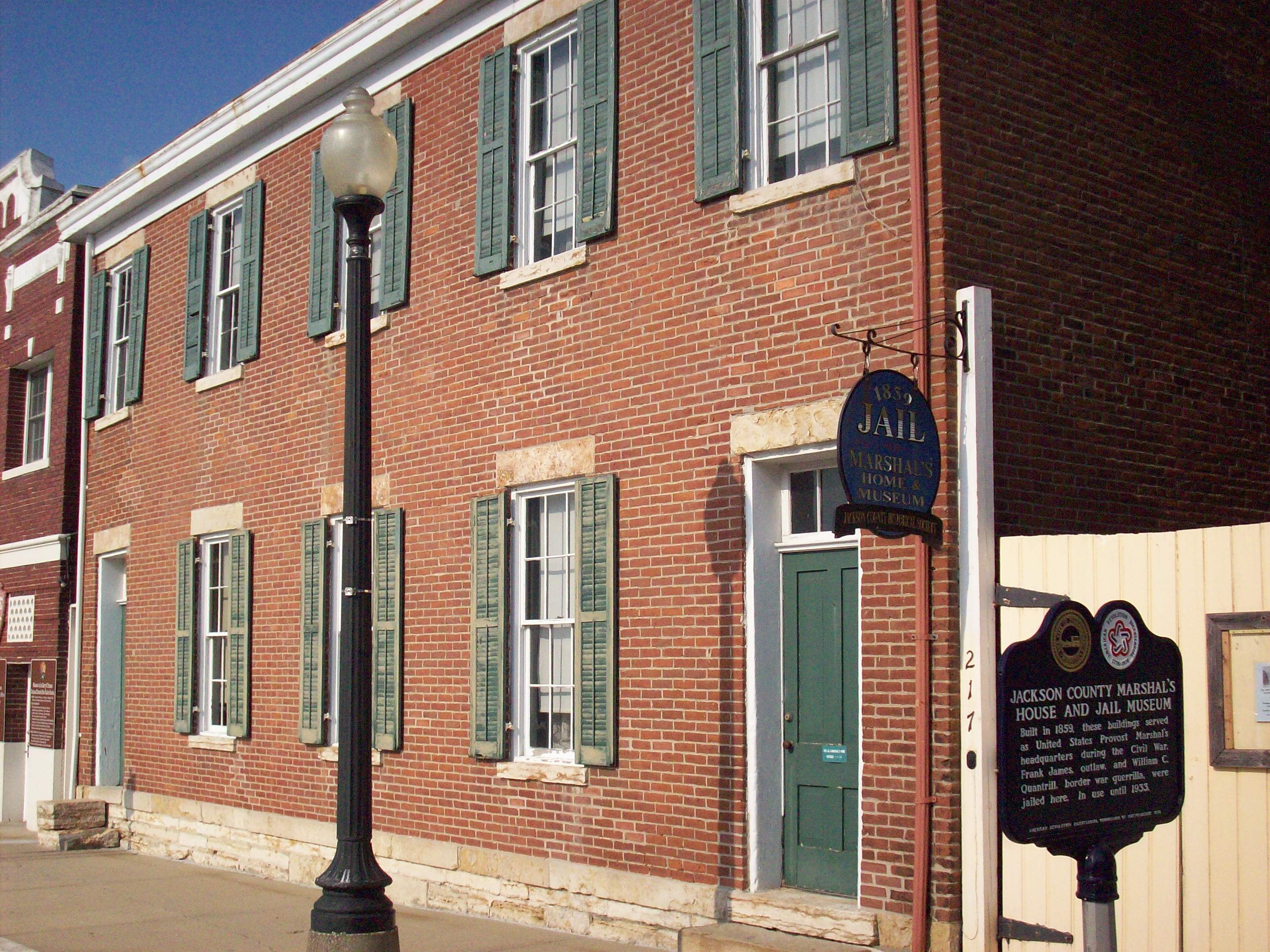
There's a cell at the 1859 Jail in Independence, Missouri where visitors keep meeting a man in a blue suit. It's the center south cell, nearest the door where jailer Henry Bugler was shot dead in 1866. His pregnant wife stayed on and finished his term.
There's one cell at the 1859 Jail in Independence, Missouri where visitors keep meeting a man in a blue suit. It's the center south cell, and he stands in it the way someone stands who belongs there, then he's simply gone. Staff and visitors describe the same figure, and they think they know who he is.
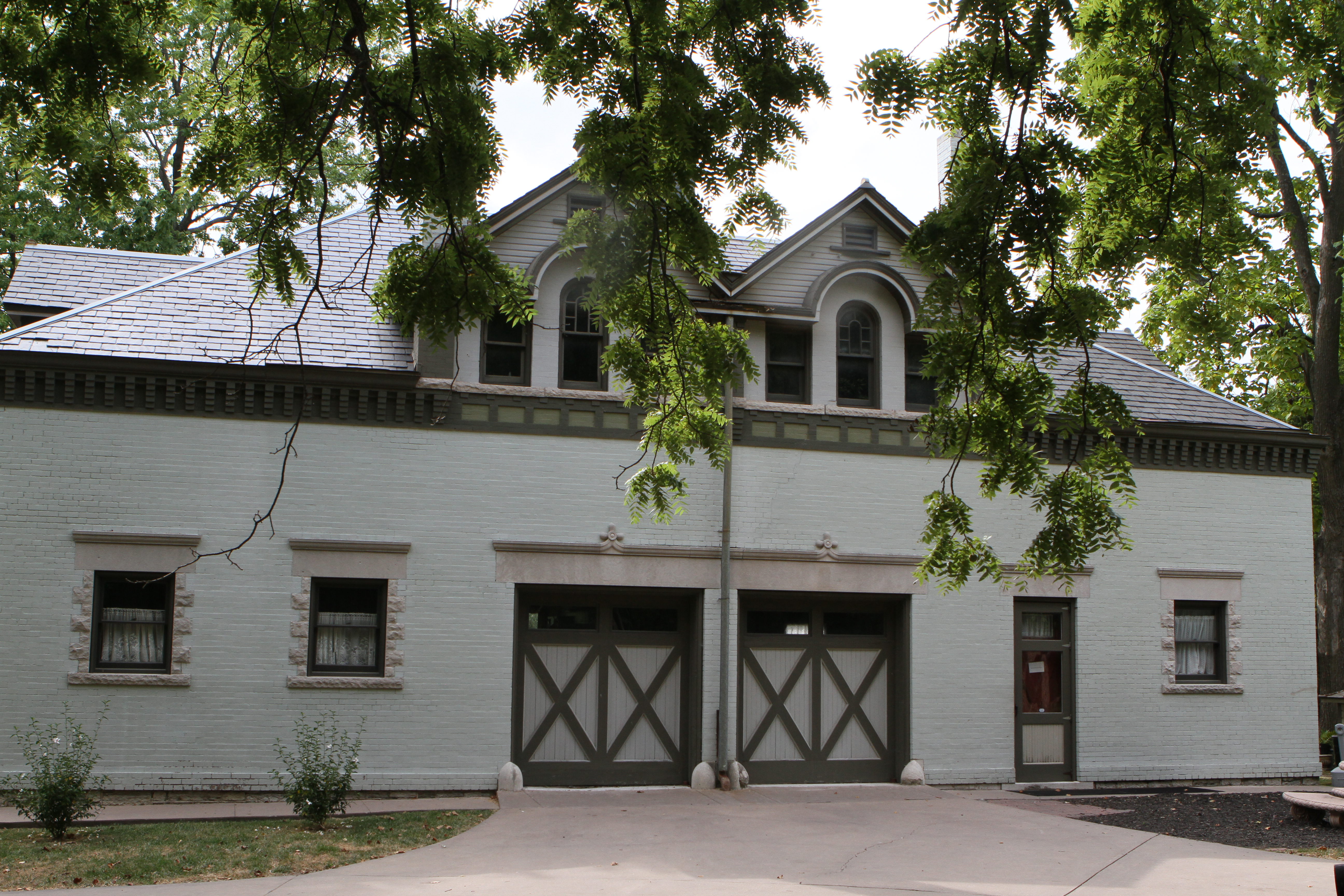
His name was Henry Bugler, and he lived in the front of the building with his family while the twelve cells behind them filled up. They were limestone boxes about six by nine feet, walls two feet thick, no heat, lit at night by a single kerosene lamp. They were built for three prisoners and held as many as twenty during the war. Some men froze to death in them.
On the night of June 13, 1866, around 10 p.m., five or six armed horsemen rode up to the South Main Street door and demanded the keys to a prisoner named Joab Perry, jailed the day before for horse theft. Bugler refused. He was shot at the door. Accounts differ on whether the bullet took him in the back as he turned for the house or struck him through the heart.
The same volley carried up into the residence. Bugler's four-year-old son John was asleep on the second floor when a stray shot caught him in the wrist.
The men the records name as suspects read like a roster: Frank James, Cole Younger, Archie Clement, and, more faintly, Jesse James. The working theory tied them to a bank robbery in Liberty that February, the first daylight armed bank robbery in America, and to a fear that Perry knew too much about who'd done it. None of them was ever convicted of Bugler's killing.
Henry Bugler's wife Mary was pregnant the night he died. She didn't leave. She stayed in the building where her husband was murdered, fed the prisoners, finished his term, and went on raising seven children inside it. Their son Thomas was born in the jail residence that December, six months after his father fell.
So the door Henry Bugler died at became the door Mary walked through every day for years, with the cells full behind her and her children underfoot.
The man in the blue suit keeps to the cell closest to that door. Visitors who come through report footsteps with no one walking, a man's voice, the sound of someone gasping for air, and a cold that drops over the center south cell without warning. Bugler's headstone, across town, calls him a man assassinated in the discharge of his duty as jailer of Jackson County. Whatever stayed behind chose the cell, not the grave.