At the Bingham-Waggoner Estate in Independence, Missouri, visitors keep meeting a man in a long coat and top hat in the rooms where painter George Caleb Bingham once lived. No one calls him a stranger. They describe Bingham.
The man visitors keep meeting at the Bingham-Waggoner Estate in Independence, Missouri wears a long coat and a top hat, and he moves through the rooms like he owns them. Nobody treats him as a stranger. The way they describe him, room for room, is the way you'd describe George Caleb Bingham — the painter who actually lived here.
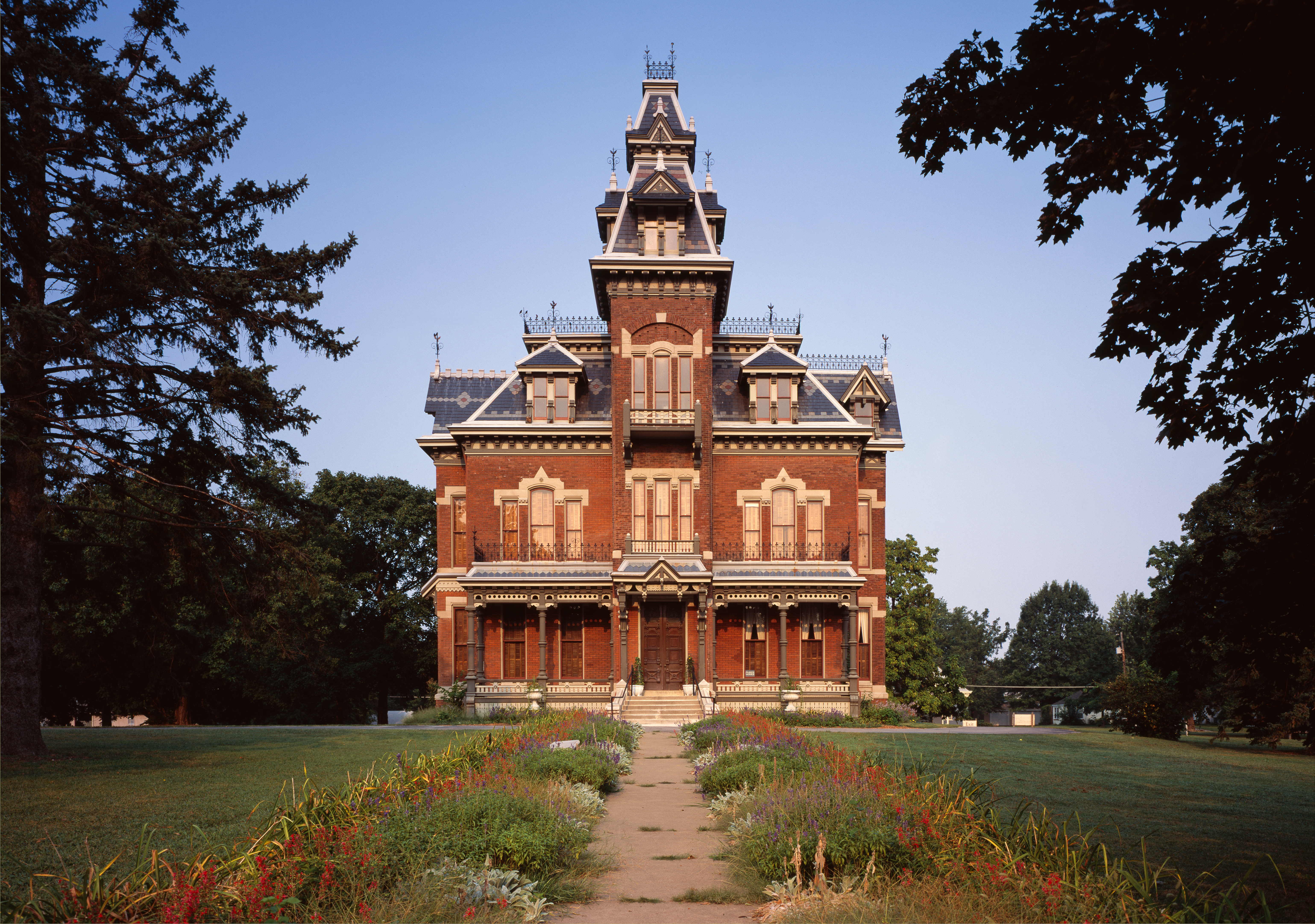
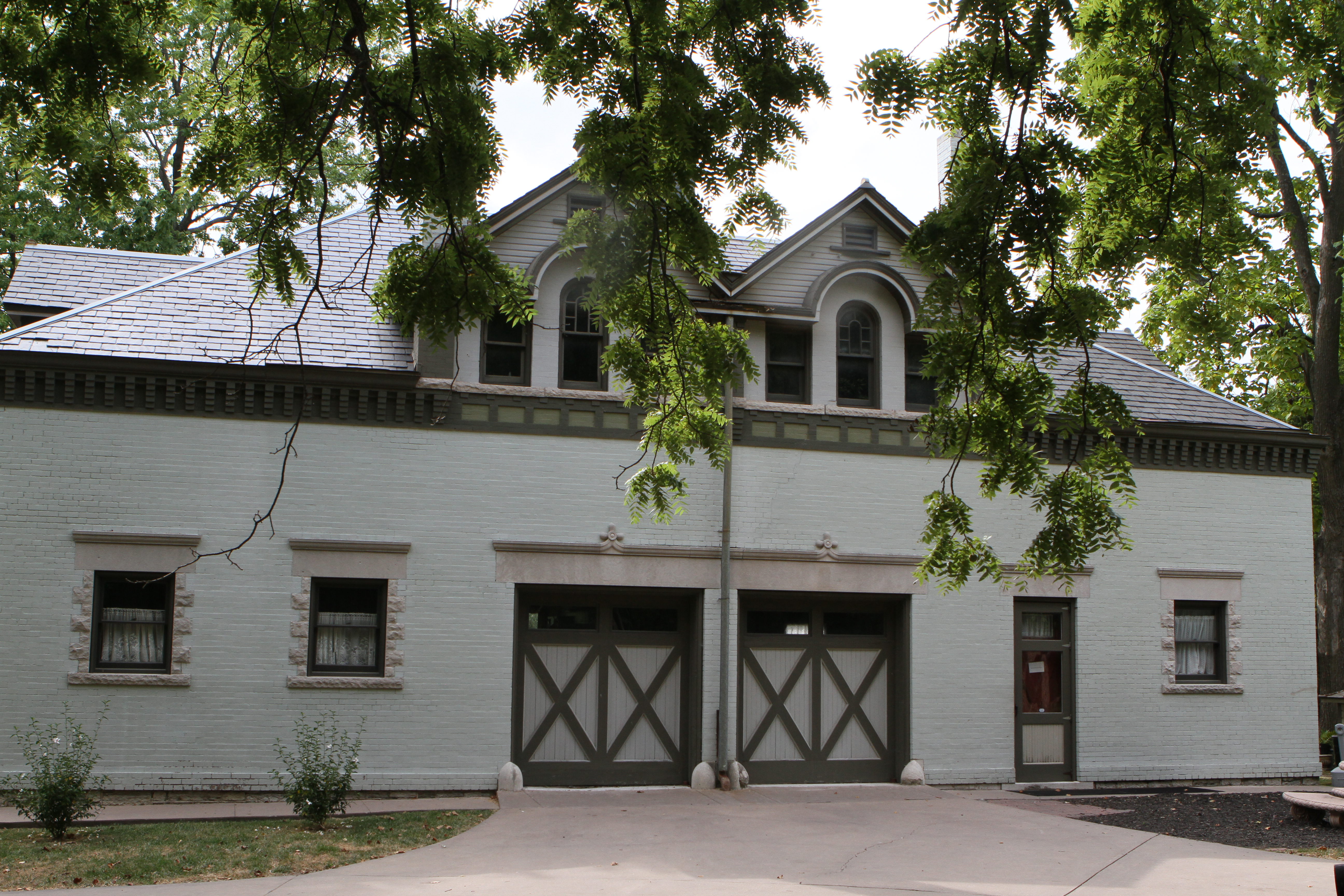
Bingham was no minor figure. He was one of the great 19th-century American painters, the man behind *Fur Traders Descending the Missouri*, and he held real office in the state besides — militia captain, treasurer, adjutant-general. He took this house in 1864, a handmade-brick villa built in 1852, on grounds that sat at the head of the Santa Fe, Oregon, and California Trails. You can still read the trail swales worn into the property. He stayed through 1870.
He came here carrying a grudge. In 1863 the Union general Thomas Ewing Jr. issued Order No. 11, which emptied four Missouri border counties at gunpoint. Bingham, a Union man himself, was disgusted by it. The traditional account has him telling Ewing to his face, "If you execute this order, I shall make you infamous with pen and brush as far as I am able." Some historians doubt the words were ever spoken. He made good on them anyway.
In a log-and-clapboard studio on the northwest corner of this property, after the war, Bingham painted *Order No. 11* — families driven from their homes, the picture meant to brand Ewing for good. One historian called it "mediocre art but excellent propaganda." The studio is gone now. The man in the top hat is reported in the rooms beside where it stood.
The house outlived him by far. The Waggoners, flour millers behind the "Queen of the Pantry Flour" brand, held it for nearly a century. One of them partnered with George Gates, Bess Truman's grandfather, and the milling firm carried both their names. An 1895 expansion pushed the place from six rooms to 26, three stories under a cupola. Three generations grew up inside it. Today it's a museum.
The painter isn't the only thing reported there. A bride in white has been seen on the main staircase, said to have caught her gown and fallen, though no record names her or proves she fell. People have caught a man's cough and a man's voice in empty halls, and a man and a woman heard arguing somewhere in vacant rooms. Shadows move in the basement. No name is fixed to any of it, and no death in the house explains a single sighting.
But it's the figure in the coat people come back to. A painter who swore to make one man infamous, still walking the house where he kept his promise.