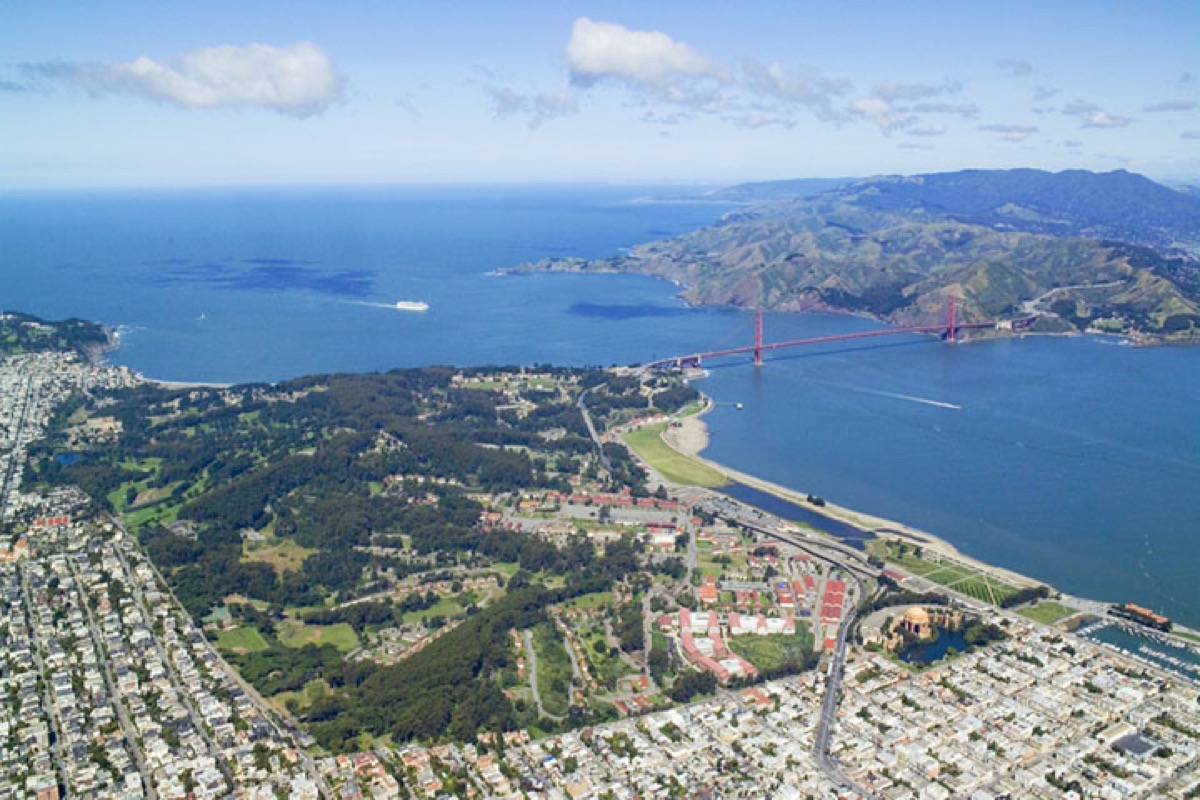
Alcatraz Island

Alcatraz Island

⛓️ prison

San Francisco, California · Est. 1934

TLDR

Al Capone, prisoner AZ-85, played banjo in the Alcatraz shower room to avoid being shanked, and decades after he left the island, rangers and tour guides still report banjo music coming from that empty shower room. Cell 14-D in solitary confinement has the darkest reputation on the Rock, where paranormal shows keep returning and even skeptical Park Service staff would rather not be there alone after dark.

The Full Story

Cell 14-D is the one everyone asks about. It's a solitary confinement cell in D-Block where Alcatraz sent its worst, and guards called it "the Hole" because the walls were concrete, the door was steel, and the only thing you got was your body and your thoughts. The story goes that in the 1940s, an inmate locked in 14-D started screaming about a pair of glowing eyes in the corner with him. The screaming went on all night. When the guards opened the door in the morning, he was dead. Strangled, apparently, by nothing that was in the cell.

That's the kind of story Alcatraz built its reputation on. Every paranormal show that's ever filmed a prison has been out to the Rock, and D-Block has become a kind of pilgrimage. Ghost Hunters, Ghost Adventures, the whole lineup. The common thread is always the same: something in D-Block feels wrong, especially around cell 14.

Then there's the banjo. Al Capone was prisoner AZ-85, transferred to Alcatraz in 1934, and he spent his last years on the island losing his mind to neurosyphilis while the toughest prison in America beat the gangster out of him. Capone played banjo in the prison band. He practiced in the shower room because the acoustics were decent and because the shower room was one of the few places a famous mobster could be reasonably sure nobody would stick a shank in his back. Decades after he left, night rangers and tour guides have reported hearing banjo music coming from that shower room when nobody's around.

Capone never died on Alcatraz. He was transferred out in 1939 and eventually died in Florida. The banjo story is one of those cases where the ghost apparently followed the habit, not the body.

The warden's house is the other frequently mentioned site, though it burned in 1970 and only the shell remains. People have reported the smell of cigar smoke in the empty doorways. The officers' club, the dungeons underneath the cellblock (actually the foundations of the old Army fort), and the hospital wing all have their own stories. Staff have reported hearing a woman sobbing in the hospital wing, which doesn't fit any specific death that's been documented.

What makes Alcatraz a genuinely strange place to visit, ghosts aside, is the sheer density of suffering crammed into a small rock. The cellhouse held 336 men at a time. Discipline was harsher than any other federal prison in America, and inmates got four rights: food, clothing, shelter, and medical care. Everything else was a privilege you earned. Men went insane in solitary. Men died in fights. Men drowned trying to swim to the mainland. It's a lot of bad feeling stacked into one building.

The National Park Service doesn't market Alcatraz as haunted, which is smart. They don't need to. The building does it on its own. Walk through D-Block on the audio tour and listen to the cell doors slam in the recording, and even the skeptics tend to shut up for a minute.

Tour guides have their own unofficial list of hot spots. 14-D is number one. The shower room is number two. The hospital is number three. Ask a ranger about it after hours and you'll get a different answer depending on who you're talking to. Nobody at the Park Service is going to officially confirm a ghost, but nobody's especially eager to work alone in the cellhouse after dark, either.

Researched from 23 verified sources. How we research.