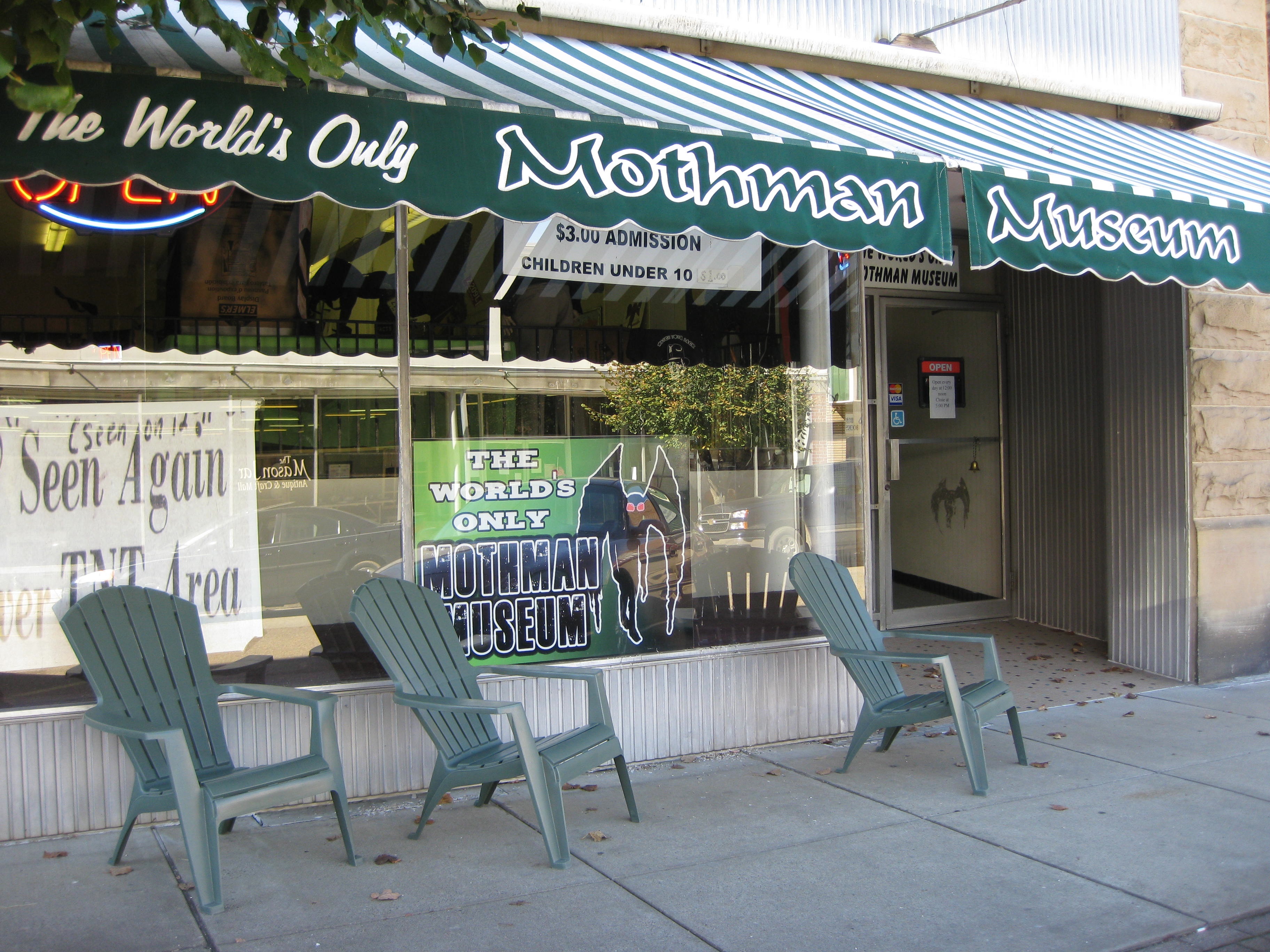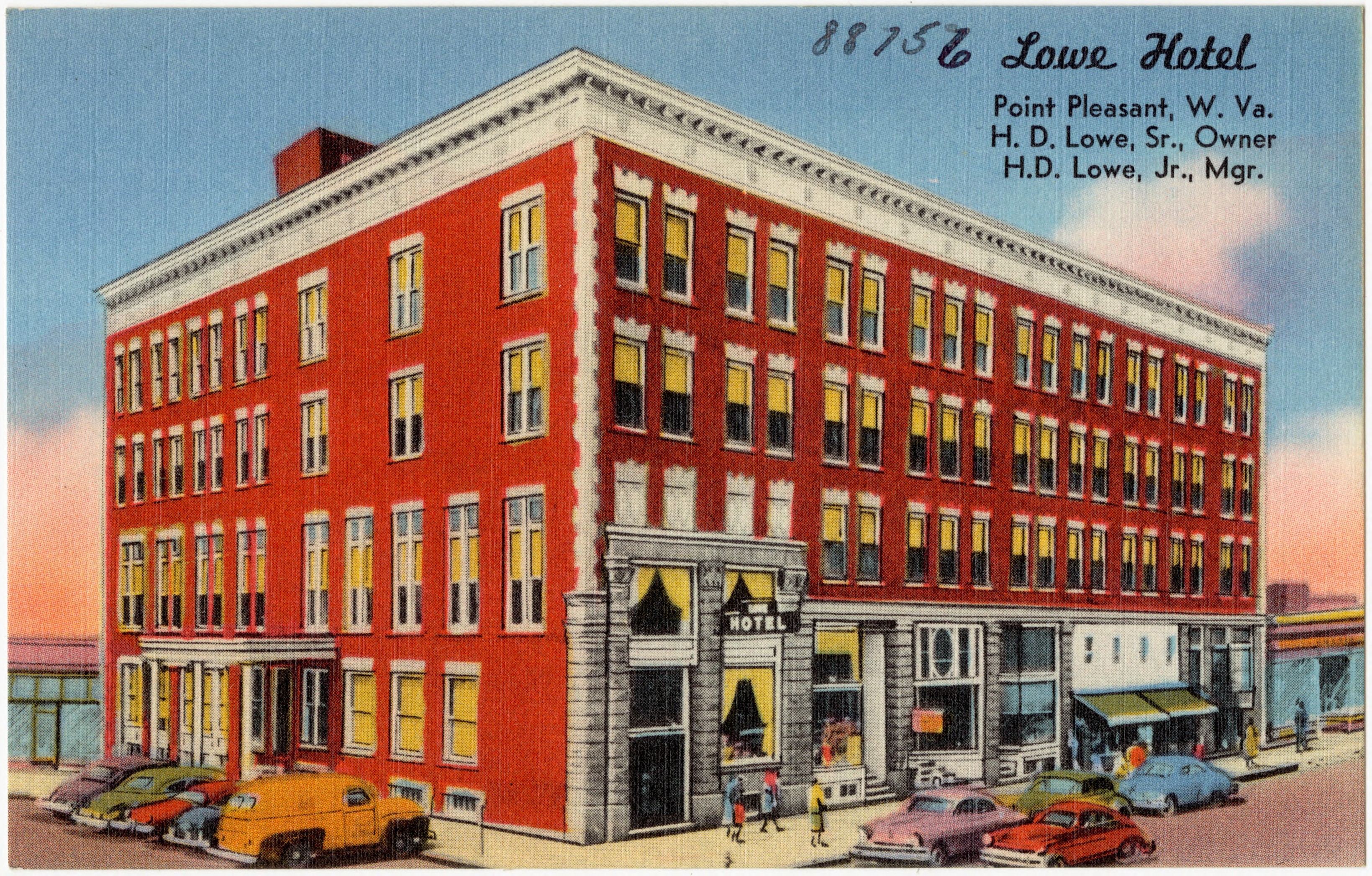
The TNT Area north of Point Pleasant, West Virginia is a grid of WWII concrete bunkers sunk into the ground. On November 15, 1966, two couples driving out among them said a red-eyed winged figure chased their Chevy at over 100 miles an hour.
Steve Mallette saw the eyes first, two red circles catching the headlights beside the abandoned North Power Plant in the TNT Area north of Point Pleasant, West Virginia. It was November 15, 1966, and he was in a black 1957 Chevy with his wife Mary and Roger and Linda Scarberry, out driving the service roads of a dead munitions plant.
The thing under the eyes stood six or seven feet tall, grey and man-shaped, with wings folded flat against its back. It moved off around the corner of the plant without running, wobbling, as if it could not keep its balance. Linda said you could see muscles in its legs.
They ran for Route 62. The Mothman Wiki, which collects the 1966 clippings and police reports, has it coming back at them on a hill by a large billboard, spreading its wings and going straight up, then gliding over the rear of the car. The wiki's telling has them doing over 100 miles an hour on a straight stretch and unable to shake it, watching its shadow cross the car and hearing the wings strike the roof. Mary said it squeaked like a big mouse.
They parked at Tiny's Diner and told Deputy Millard Halstead, who did not believe them but drove back out with them. He spotlighted the tree lines and found nothing, but reported static on his police radio he could not explain. The Mothman Wiki's account ends with the Mallettes refusing to go home, sleeping at the Scarberrys' with every light on.
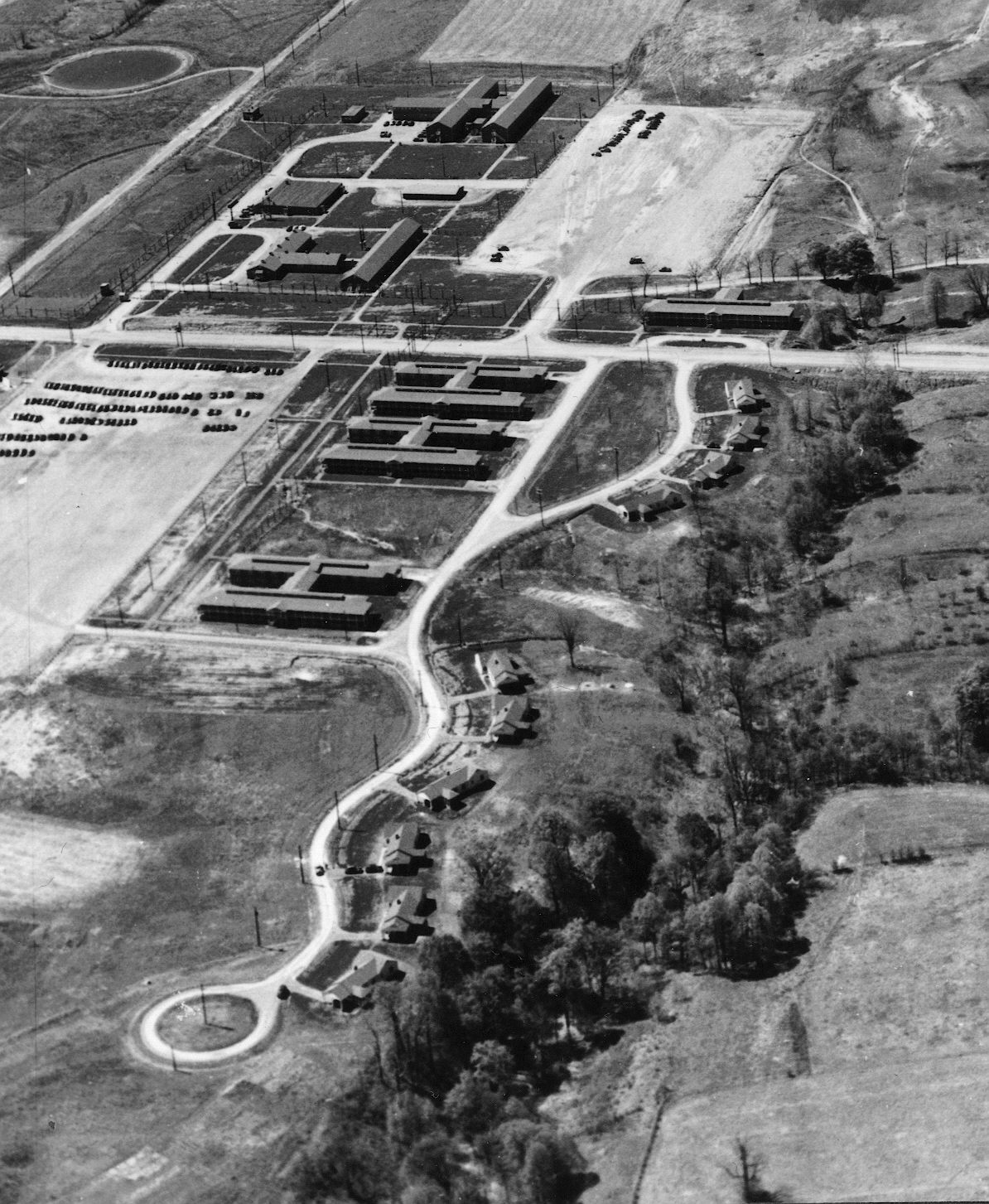
The ground they were driving is the West Virginia Ordnance Works, an Army TNT plant that ran ten lines from 1942 to 1945. The explosives sat in concrete igloos set into the earth on a grid, so one blast could not chain through the rest, mounded over to hide them from the air.
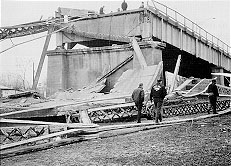
The local paper named it Mothman, off the Batman series then airing. The West Virginia Encyclopedia counts 26 sightings in the following year, plus telephones, police radios and televisions cutting out. Carloads worked the bunker fields night after night, and volunteer police and firemen figured every car carried a gun. The reports fell off after the Silver Bridge collapsed in December 1967. The wiki's TNT Area page says the teenagers thought it lived in the North Power Plant, which locals called the Bird House until it came down in the early 1990s.
What was wrong with the ground surfaced later. Wikipedia's history of the plant has fishermen finding red water seeping out around 1979, and TNT, spent acids and metals confirmed in the soil and ponds by 1981. It went onto the National Priorities List as the state's top-priority cleanup. It is public hunting and fishing ground today, and some old igloos are leased for storage. At 1:13 a.m. on May 17, 2010, one of them exploded. The wiki's damage list has its steel doors thrown off and empty barrels flung 100 feet into a swamp. No one was hurt.