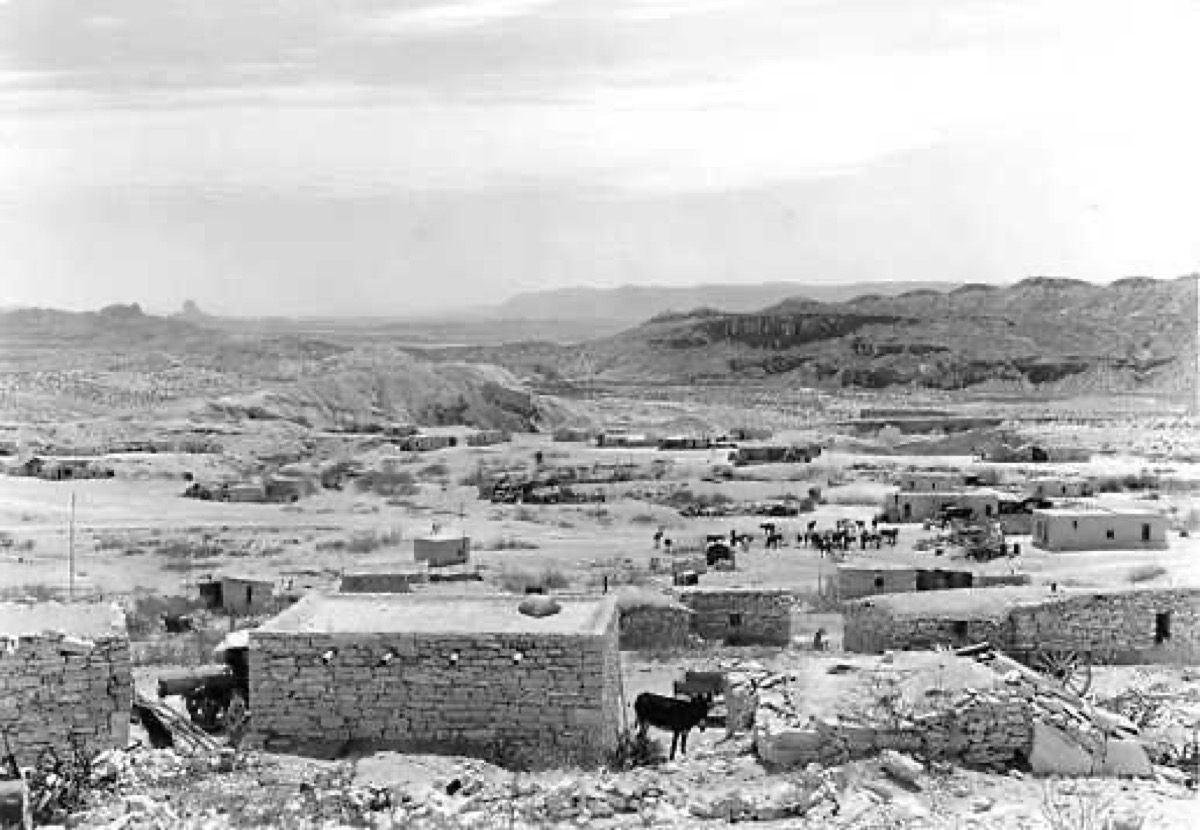
Terlingua Ghost Town in far West Texas has ghosts nobody can name: miners seen walking the streets toward a shift that ended in 1946. The one account anyone put on the record is a book of matches that fell out of an empty jar.
Terlingua Ghost Town sits in the Big Bend country of far West Texas, and what people report there is miners. Men walking the dusty streets between the adobe ruins, unhurried, as if on their way to a shift. Nobody has a name for a single one of them.
They were mining cinnabar, the ore mercury comes out of. Howard E. Perry, a Chicago industrialist, bought 4.5 sections of Brewster County land in 1887 for $5,760, by one account sight unseen, as security on a debt. His Chisos Mining Company pulled roughly 100,000 flasks of mercury out of 23 miles of underground workings and owned everything above them, down to the doctor and the post office. By 1922, 40 percent of all the quicksilver mined in the United States came out of Terlingua. Then the workings flooded. Legends of America's town history calls the artesian influx uncontrollable, and in 1946 the place was abandoned.
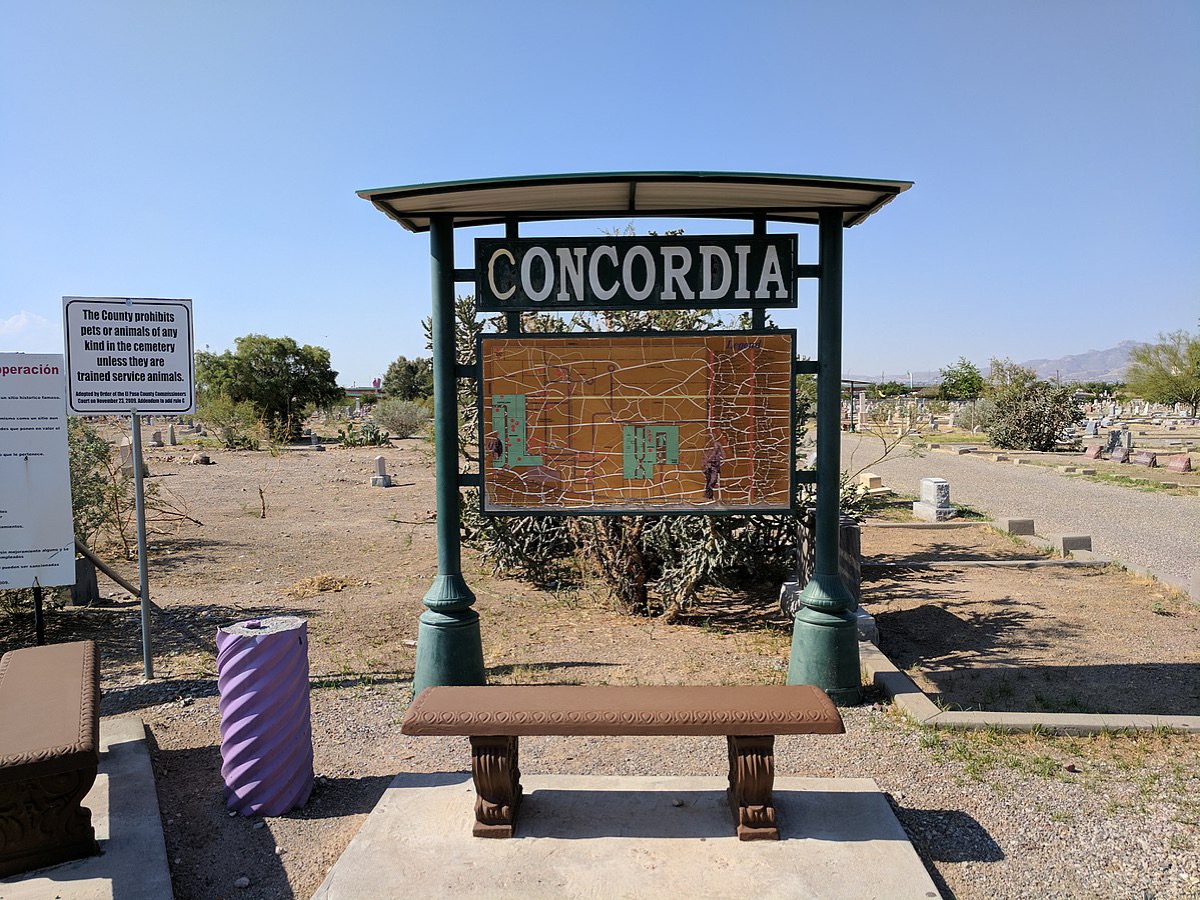
The cemetery is up the slope above the town. The ground is too rocky to dig, so the dead lie under rounded piles of stone, most marked with two weathered boards nailed into a cross. Thomas C. Alex's 2021 mapping project counted 530 graves, between 186 and 459 of them carrying no inscription or identifiable marker at all.
What filled it is argued over. The travel write-ups tell it as the mine: fatal quicksilver accidents, and salivation, the poisoning that loosened a smelter man's teeth until they fell out. Bob Wirt's death-certificate research at Familias de Terlingua turns up no documented mercury poisoning at all, and causes running instead to dysentery, whooping cough, diphtheria and pneumonia. The Brewster County marker lists the falls and the falling rock, then says flatly that the influenza pandemic of 1918-1919 "contributed more to the growth of the Terlingua Cemetery than any other single cause." The county death records for those years document none of it.
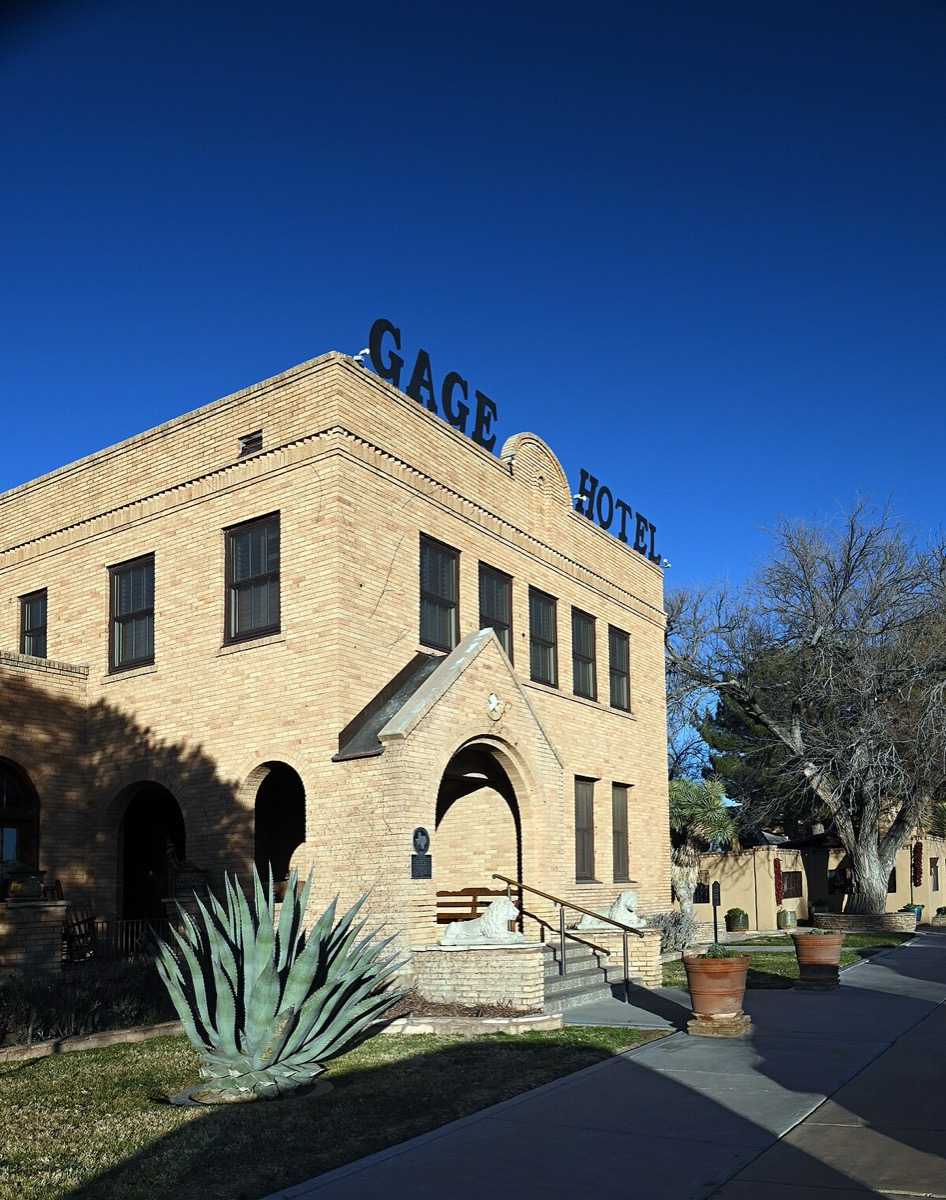
Perry's mansion on the hill is a hotel now, run by the family that bought the town. A haunted-travel account of a stay there reports guests seeing shadows, hearing voices and footsteps, and a man on the second floor taken for a disgruntled company employee. Who he was supposed to be, nobody says. That is the pattern: no named ghost, no dated sighting, no witness with a name. A Big Bend Sentinel columnist went hunting for a confirmed haunting in 2019 and came back without one.
Except for one night at the cemetery. Bill and Lisa Ivey started the Day of the Dead candle-lighting more than 25 years ago, carrying jars of candles into a graveyard otherwise lit only by stars. A norther blew in, and they were down to their last match. Ivey put it to the last candle, turned to go, and bent to pick something up. Out of one of the supposedly empty jars, a fresh book of matches fell. Printed on the cover: "Your Host Thanks You." They lit the rest of the candles. They have gone back every year since.