The Silver Bridge Memorial in Point Pleasant, West Virginia sits on the ground where the on-ramp stood. For 13 months before the bridge fell and killed 46 people, the town reported a winged figure with red eyes. After that night, nobody saw it again.
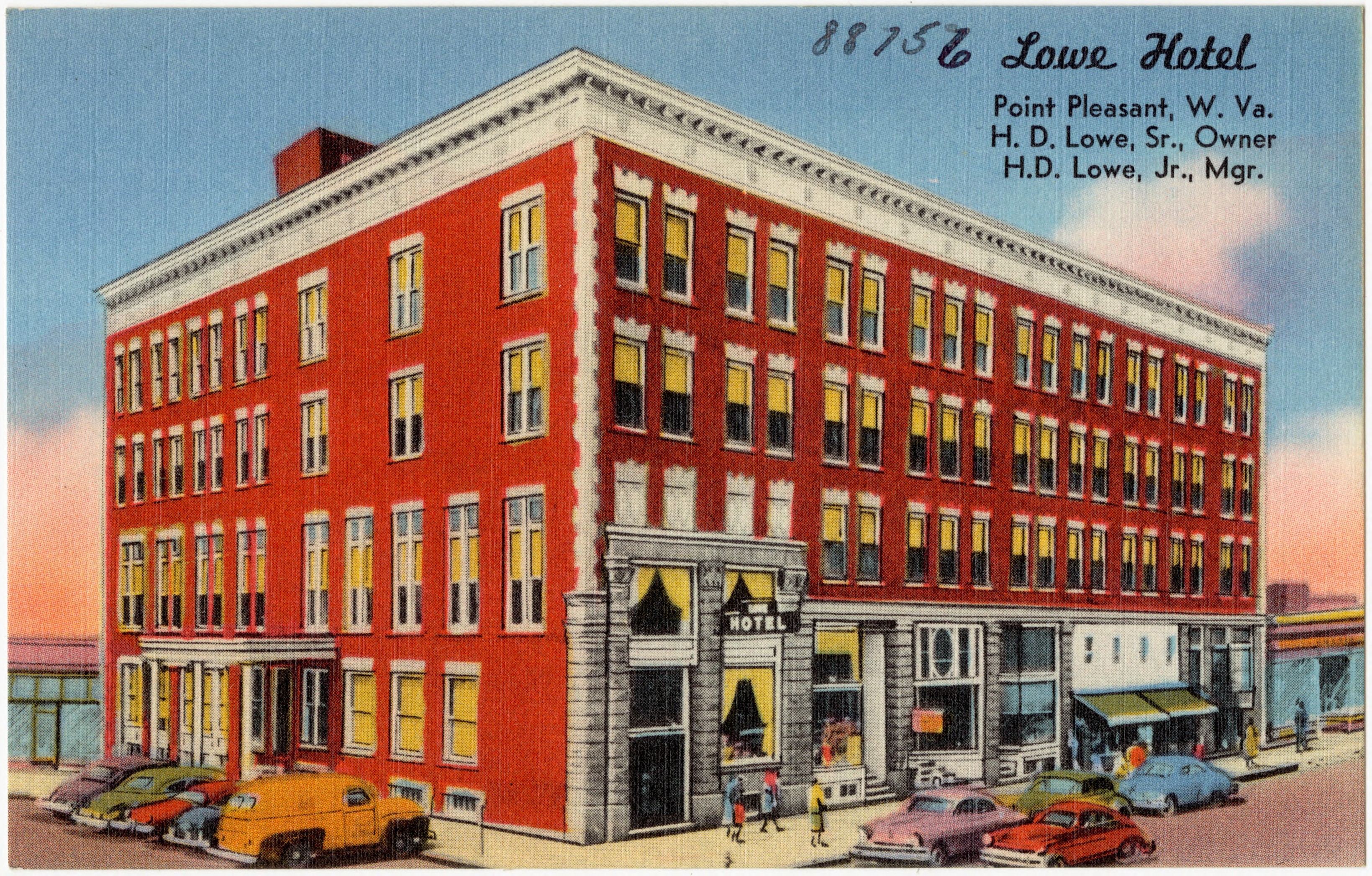
The Silver Bridge Memorial in Point Pleasant, West Virginia stands on the patch of Sixth Street that used to be the on-ramp, and the collapse it marks is the one a lot of people here believe was announced in advance. For 13 months before the bridge fell, the town kept reporting a winged figure with red eyes.
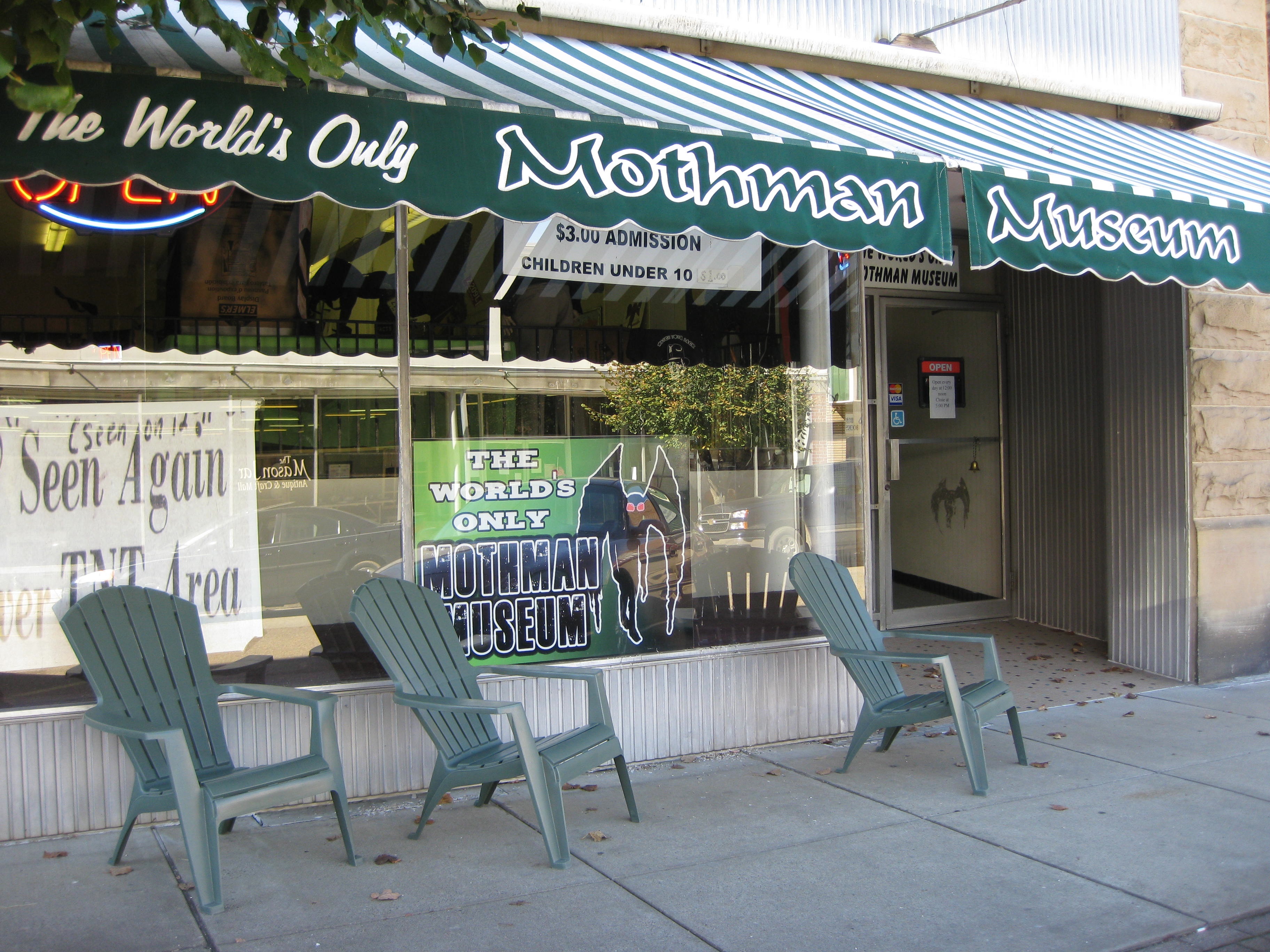
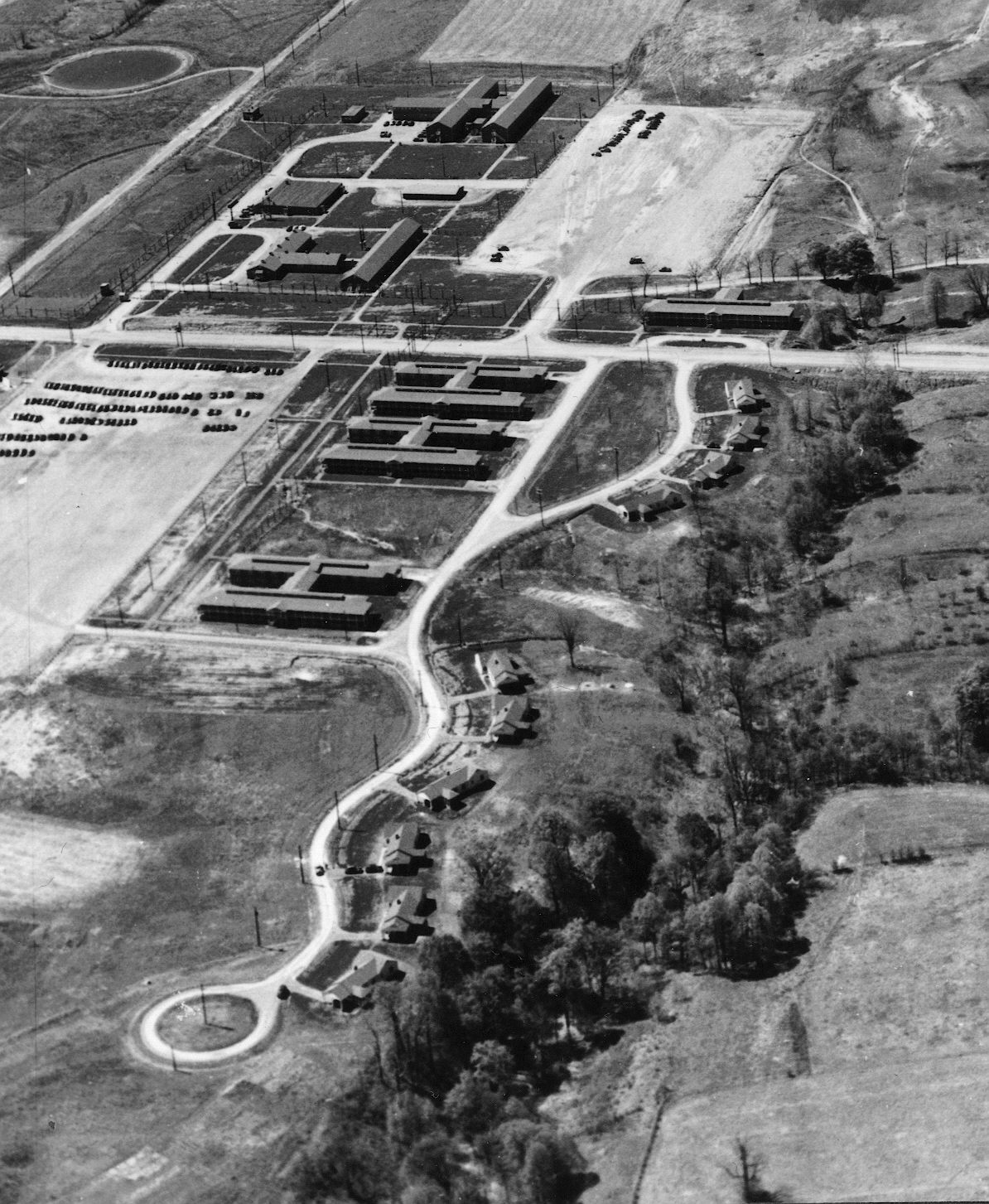
It started on November 15, 1966. Roger and Linda Scarberry and Steve and Mary Mallette were out near the abandoned World War II munitions grounds north of town that everyone calls the TNT area when they saw it, and they said it chased their car. The description that ran in the papers: six or seven feet tall, a ten-foot wingspan, red eyes about 2 inches across and 6 inches apart. The West Virginia Encyclopedia counts 26 sightings across the year that followed, most of them in or near the old plant, alongside reports of phones, police radios, televisions and cars going wrong.
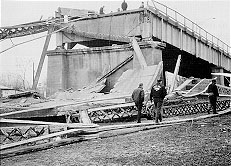
Then December 15, 1967. Rush hour, ten days before Christmas, ten minutes before sunset. There were 37 vehicles on the Silver Bridge carrying 67 people when, at about 4:58 p.m., witnesses felt a hard shake and heard a loud noise. The whole span was in the Ohio River inside about 20 seconds. Thirty-one of the vehicles went into the water with it. Marjorie Boggs had noticed the deck quivering under the traffic moments before and asked her husband, "What will we do if this thing breaks?" She and their 17-month-old daughter were among the 46 dead, in the worst vehicular bridge collapse in American history.
After that night, the sightings stopped.
That is the hinge the whole legend turns on, and Point Pleasant has read the coincidence two ways ever since: the creature brought the bridge down, or it came to warn them. The engineering answer is smaller and worse. The span hung on chains of flat steel eyebars, two to a link, so there was nothing holding the load if one gave, and the failure traced back to a single crack in the eye of eyebar 330 — a flaw investigators found "inaccessible to visual inspection," one that "could not have been detected by any known method without disassembly of the eyebar joint." Don Karol, a senior highway accident investigator at the National Transportation Safety Board, wrote on the 50th anniversary that no evidence was ever found connecting the Mothman to the failure.
The memorial itself is small and oddly built. A plaque, and paving bricks engraved with the names of the 46. Roadside America's visitor account notes that the plaque carries the names of the city council members and the clerk who approved it rather than the dead, and that you end up standing on the victims' bricks to read it. Two of those names were never recovered from the river: Kathy Byus and Maxine Turner, both of Point Pleasant.
Every December 15, at that intersection, all 46 names are read out loud, one at a time.