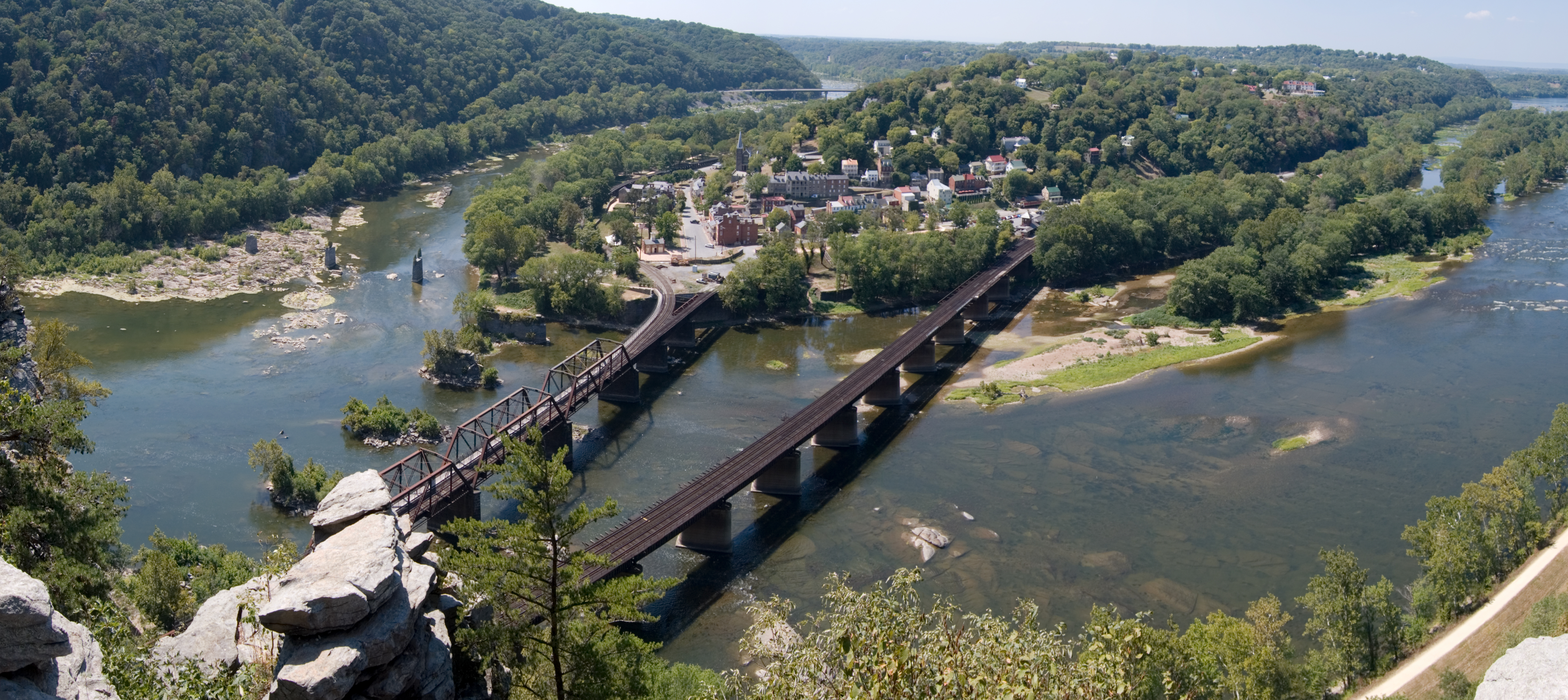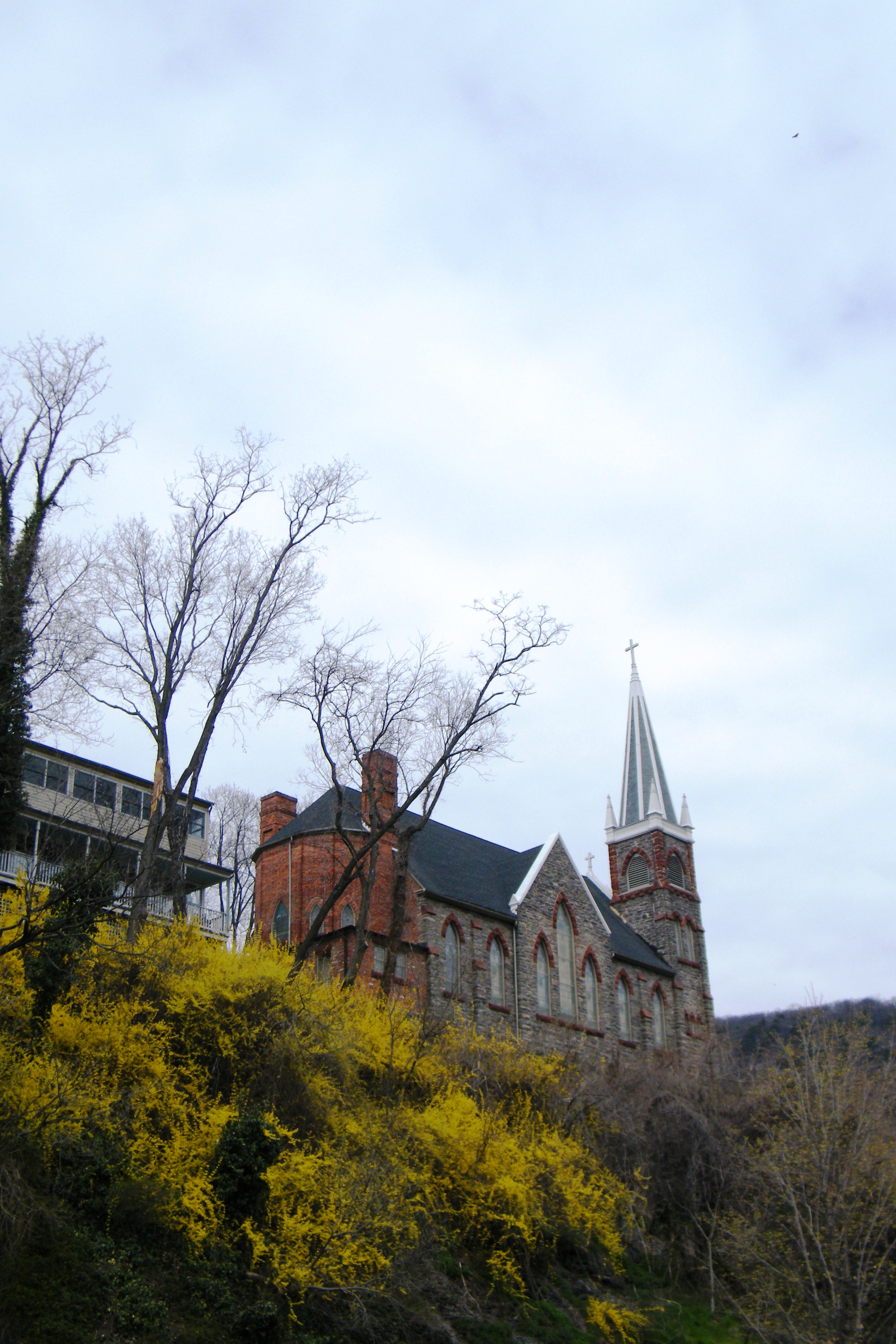
A priest walks the north wall of St. Peter's Church in Harpers Ferry, West Virginia, reading a book, then turns and goes into the stone. They say he is Father Michael Costello, who kept the church standing through a war that took the town 14 times.
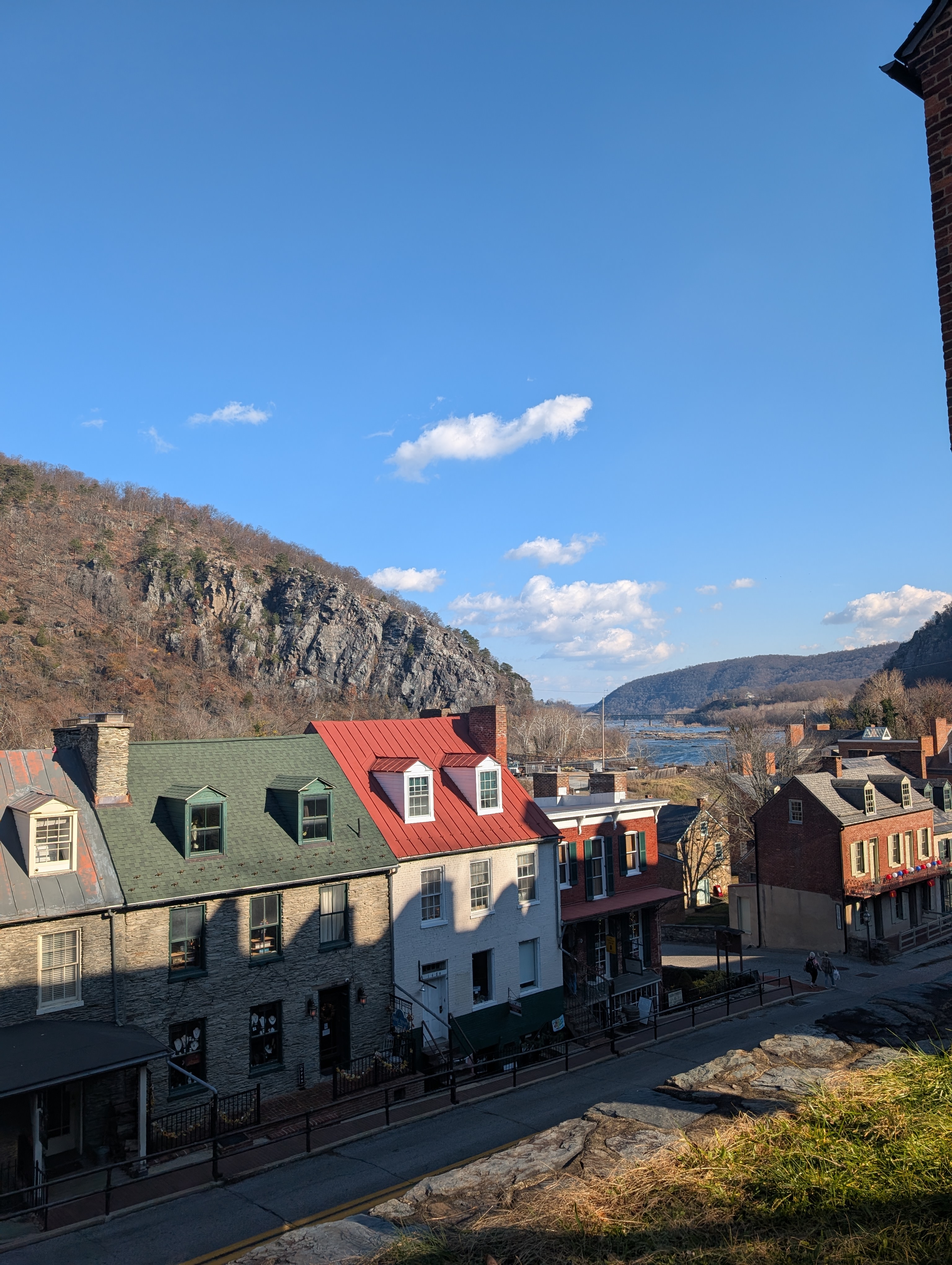
St. Peter's Roman Catholic Church stands on a shoulder of rock above the lower town in Harpers Ferry, West Virginia, and walkers on the trail that runs past it report a priest along the north wall. He is reading a book as he goes. He follows the path, turns abruptly, and walks into the stone.
The story isn't from a ghost site. It's recorded in Christopher Fennell's University of Illinois history of the parish, which pins the spot where he goes in: the place where the original 1833 church's front facade likely stood. The ghost-lore listings give him a name. Father Michael Costello, pastor from 1857 to 1867.
Costello was born in Ireland in 1833 and trained at All Hallows College. He came to St. Peter's in 1857 to serve a town of about 4,000, six or seven hundred of them Catholic. He wrote in 1860 that his church held 400 to 500 people and still wasn't big enough for one service, so he had leave to say two Masses on Sundays, and he was covering a second church 30 miles off besides.
Then the war came through, and kept coming through. Harpers Ferry changed hands between Union and Confederate control 14 times. Costello was the only clergyman in town who stayed. His bishop offered him passage home to Ireland and he turned it down.
What he did instead was put a British flag over his church. A Union Jack on the steeple, a declaration of neutrality, a bet that neither army would risk an incident with a Britain both sides were courting. Every source names the flag as the reason it worked. St. Peter's was the only church in Harpers Ferry not severely damaged or destroyed, and the National Register nomination credits that squarely to Costello remaining at the church to protect it. "Not even a window was broken," says Patricia Cowan, a docent at the parish that oversees it now. St. John's Episcopal, on the lot immediately uphill, was hit hard, rebuilt, sold off, and stands today as a ruin above St. Peter's.
He held services through all of it, in a building used at times as a makeshift hospital. He died on February 17, 1867, at 34, of an illness the records never name, and was buried in the parish cemetery on the hillside west of town.
Then the parish rebuilt. Sources disagree over whether the 1890s work was a remodel or a demolition, and over the year, but all of them agree the 1833 front came down with it. The facade shifted several feet west behind a new recessed portico. The central wooden steeple, the one the flag hung from, was swapped for a bell tower at the southeast corner.
So the wall the priest turns into is a wall that stopped existing almost 30 years after he died. He is still walking the church he actually stood in.