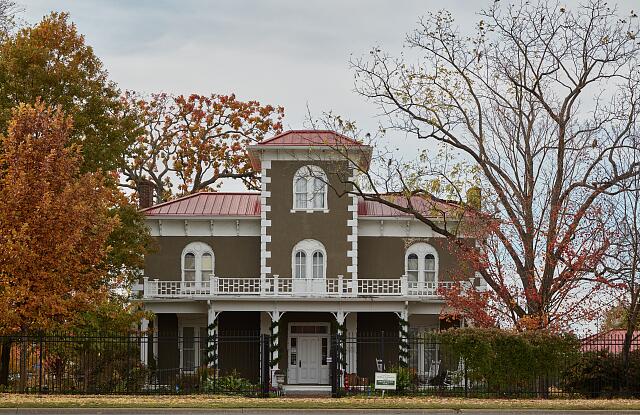
Peel Mansion

Peel Mansion

🏚️ mansion

Bentonville, Arkansas

About This Location

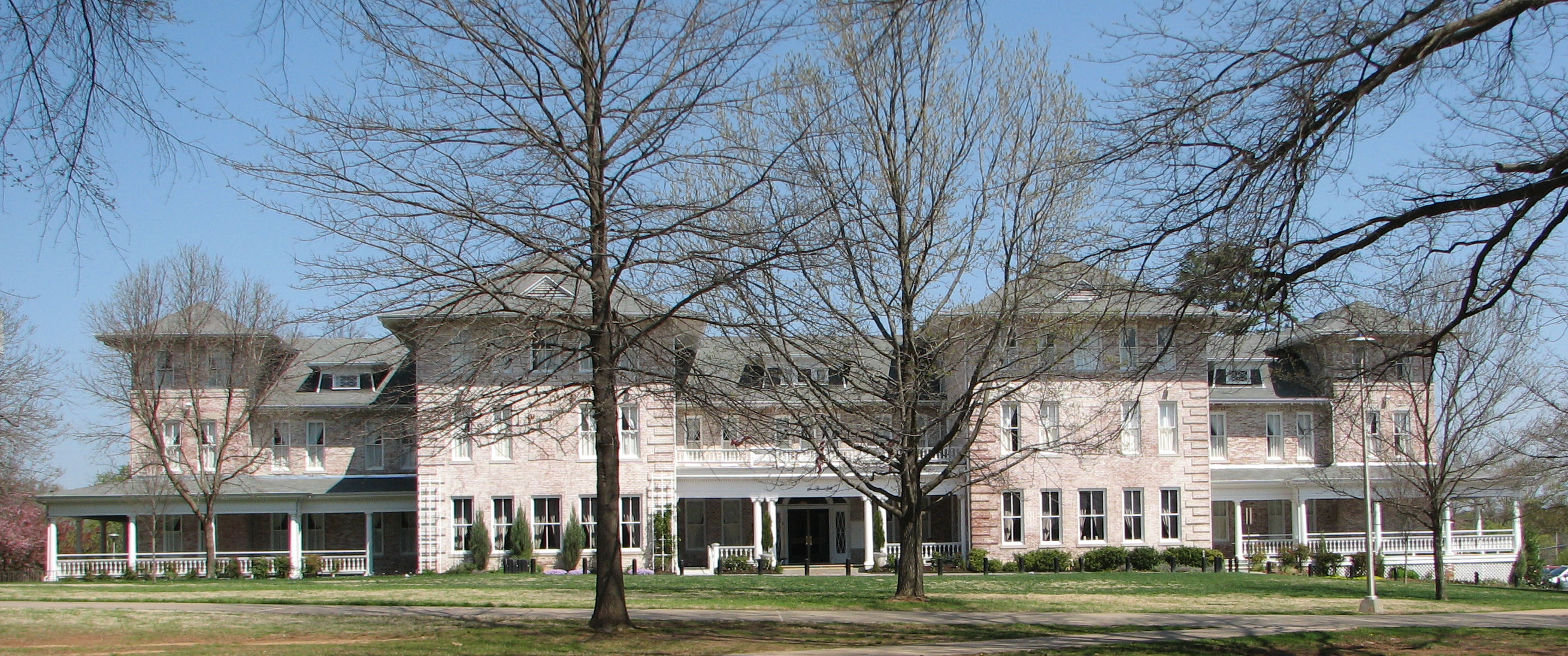
Built in 1875 by Confederate Colonel and US Congressman Samuel West Peel, this mansion and heritage gardens now serve as a museum preserving Northwest Arkansas frontier history.

👻

The Ghost Story

Colonel Samuel West Peel built his fourteen-room Italianate villa on 180 acres of apple orchards outside Bentonville in 1875, fulfilling a promise made to his wife Mary Emaline Berry twenty-two years earlier. Born September 13, 1831, near Batesville, Peel served as a Confederate officer in the Fourth Regiment Arkansas Infantry, fighting at Wilson's Creek and Prairie Grove before mustering out as lieutenant colonel. After the war left him impoverished, he read law, won election as prosecuting attorney, and in 1883 became the first native-born Arkansan elected to the United States Congress, where he chaired the House Committee on Indian Affairs and represented the Chickasaw and Choctaw Nations. The mansion he built for Mary Emaline featured a dominating central hipped-roof tower, eight fireplaces, twelve-and-a-half-foot ceilings, oak and pine flooring, an Anglo-Japanese mantel in the library, and Greek Revival molding in the parlor. Mary Emaline's brother was James Henderson Berry, Arkansas's fourteenth governor and a U.S. Senator, making the Peel house a gathering place for the state's political elite. William Jennings Bryan visited his old friend Colonel Peel here in 1896 during his first presidential campaign, reportedly re-enacting his famous Cross of Gold convention speech in the parlor.

Mary Emaline died in 1902, and Samuel vacated the house the following year, never to return. He died December 18, 1924, at age ninety-three and was buried in Bentonville Cemetery. The mansion passed through a succession of owners: J.J. Jones, Captain William Edwin Ammons, W.L. English (a Frisco Railroad agricultural agent who applied the grey stucco exterior still visible today), Lee A. Allen (who operated a dairy farm on the property), and Mike Murphy, who ran Peel Mansion Interiors from the building. Walmart purchased the property in 1991 and donated it to the Peel House Foundation in February 1992. Listed on the National Register of Historic Places on May 4, 1995, the mansion now operates as the Peel Museum and Botanical Garden.

Three spirits are said to inhabit the mansion. The most frequently reported is Minnie Belle Peel, one of the Colonel's nine children, described as a playful young woman in white who drifts through the rooms. Minnie Belle was musically gifted and loved playing piano for her father. Tour guides and visitors report hearing piano music echoing through the empty parlor, but the moment someone enters the room, the music stops abruptly. Her full-bodied apparition has been seen flitting and dancing through the house and standing fixated at her favorite window, gazing at something unseen in the garden.

The Colonel himself haunts his study, where he spent long hours working on legal cases for the Native American tribes. Visitors describe a dark shadowy figure in the room, accompanied by loud unexplained footsteps and the sense of a commanding presence. His apparition has also been spotted in various rooms throughout the house, as though still making his rounds through the estate he built.

The most compelling story belongs to the upstairs master bedroom. In the early 1920s, when the English family owned the mansion, their daughter Margery English suffered a ruptured appendix while playing tennis. Because Margery had a twin sister named Elizabeth, her appendix was positioned on the opposite side of her body, complicating the diagnosis. A local doctor and nurse performed emergency surgery in the upstairs bedroom using kitchen tables as a makeshift operating surface, and due to the severity of the infection, the incision was not even closed. Ten days after the operation, Margery clinically died. Her face was covered with a sheet, a practice believed at the time to keep the soul in the body. For five hours she lay motionless under that sheet while her twin sister screamed. Then someone noticed the sheet move. When they pulled it back, Margery was alive.

Years later, Margery described what she experienced: she slowly felt herself being lifted up and passed through a wall, finding herself floating above the ground in a peaceful meadow with no colors visible and everything quiet. A bright light beckoned her forward, but an unseen barrier prevented her from reaching it. She never spoke publicly about the experience during her lifetime because, as she said, people simply did not discuss death in those days. Margery married William Toalson and eventually returned to visit her childhood home, then owned by Lee Allen. She noticed that the upstairs surgery room was locked. When she asked why, Allen told her he did not want anyone going in because the room was haunted by a little girl. The room had been locked for forty years. Staff reported hearing the sounds of a little girl crying from behind the door, and visitors to the room have reported being pinched by unseen hands. Margery tried to explain that she was the girl who had died in that room, but Allen remained skeptical. Margery passed away in August 2000.

The museum now hosts Tales at Twilight events featuring actors from the Rogers Little Theater performing historical vignettes in different rooms of the six-thousand-square-foot mansion, including a dramatization of Margery's surgery. Ghost walks are offered regularly, and the mansion is open for tours Tuesday through Saturday from March through December.

Researched from 12 verified sources including historical records, local archives, and paranormal research organizations. Learn about our research process.

More Haunted Places in Arkansas

🏚️

Clayton House

Fort Smith

⚔️

Prairie Grove Battlefield State Park

Prairie Grove

👻

Wolf House

Norfork

⛓️

Fort Smith National Historic Site

Fort Smith

🏚️

The Empress of Little Rock

Little Rock

👻

St. Elizabeth's Catholic Church

Eureka Springs

View all haunted places in Arkansas

More Haunted Mansions Across America

Rackliffe House

Berlin, Maryland

Glenn House

Cape Girardeau, Missouri

William Root House

Marietta, Georgia

Taliesin

Spring Green, Wisconsin