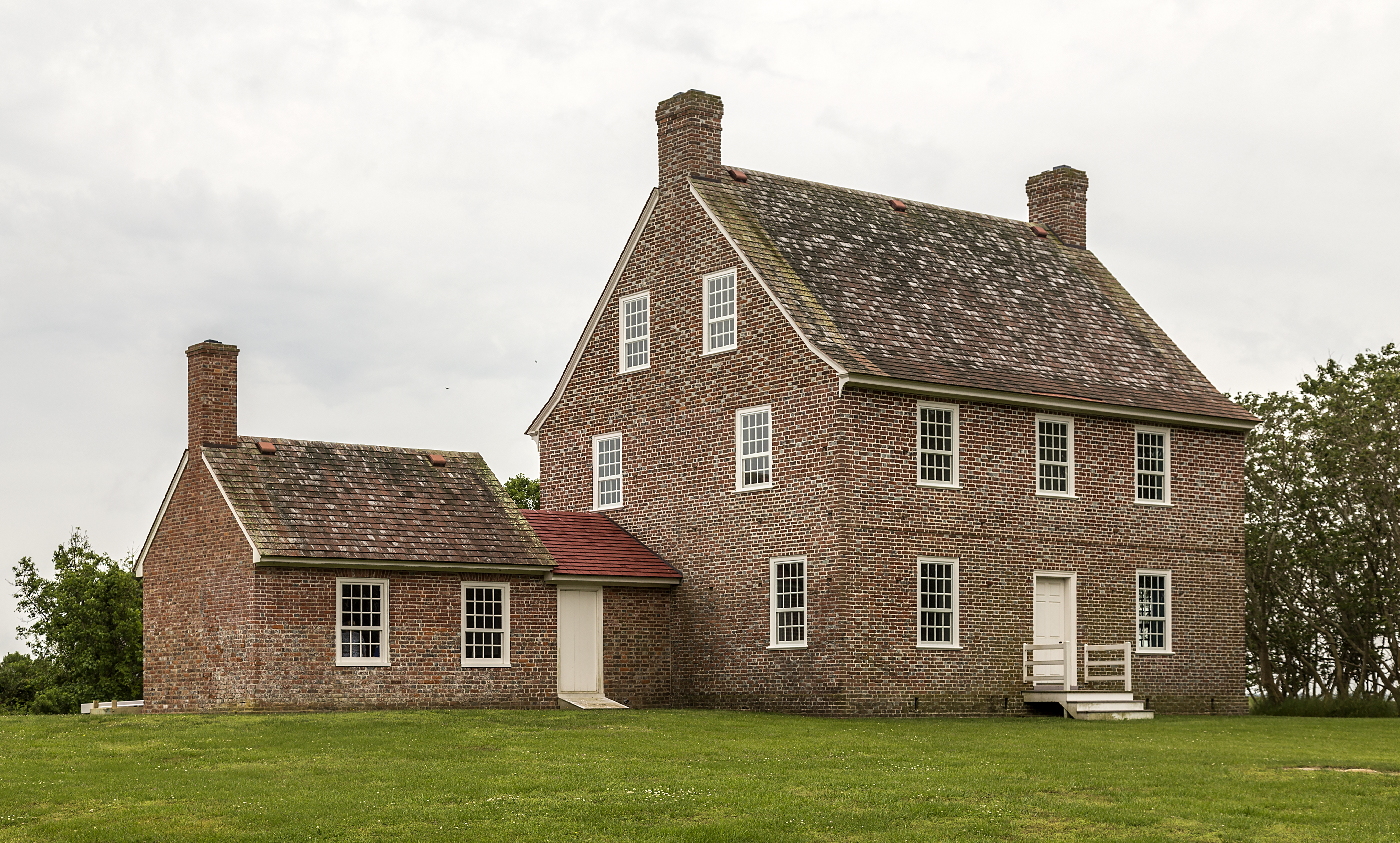
At Rackliffe House near Assateague Island in Berlin, Maryland, the haunting is something you hear, not see — a piano playing by itself, gunshots, glass breaking. Two people can stand in the same room and one hears a crash while the other hears nothing.
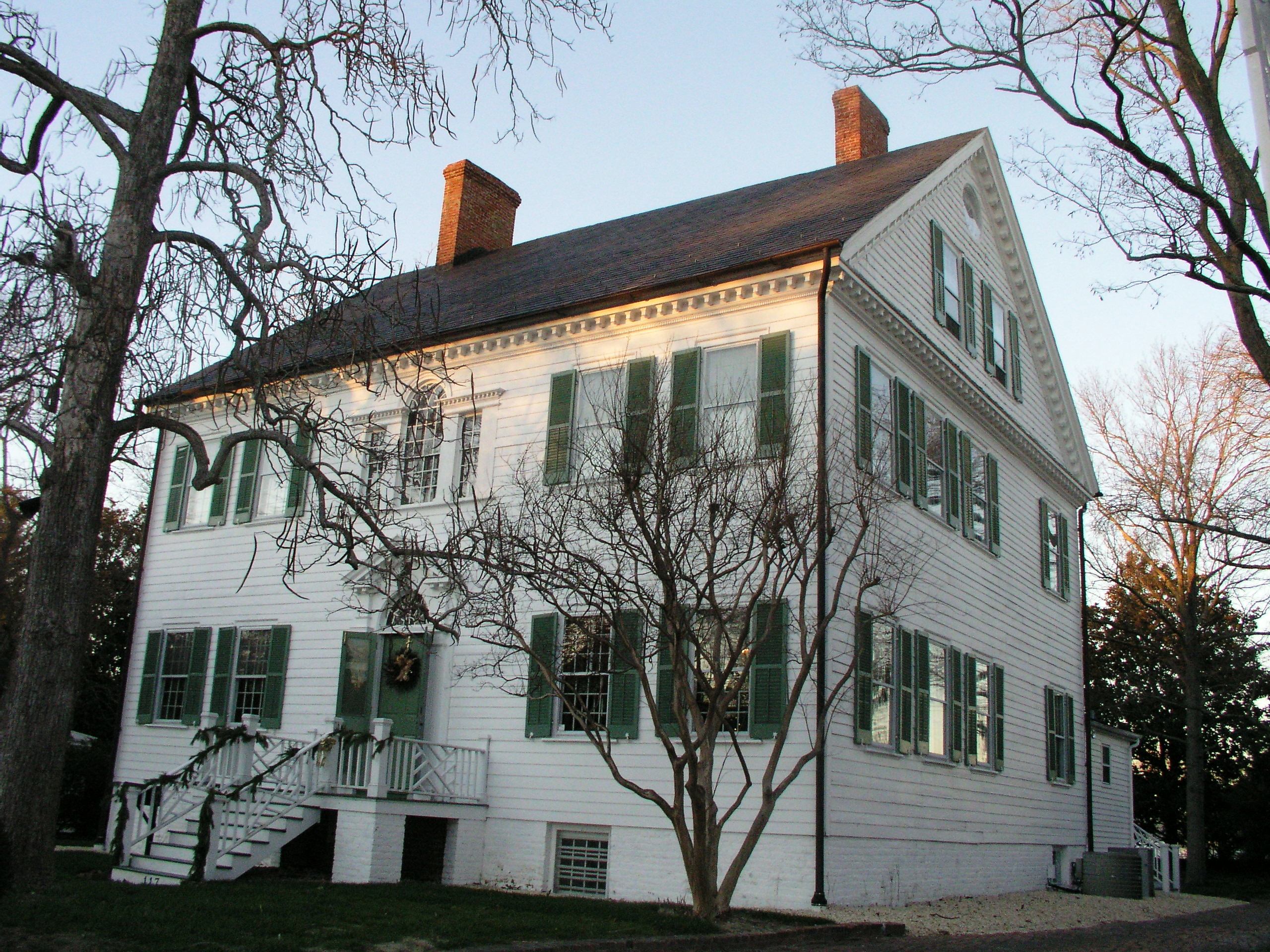
The strange thing about Rackliffe House, a brick manor on Sinepuxent Bay near Assateague Island in Berlin, Maryland, is that the haunting is something you hear and almost never something you see. A piano playing softly with no one at the keys. Babies crying. A gunshot. Glass breaking. And it's selective — two people can stand in the same room, and one will hear a crash loud enough to sound like a piano falling through the floors while the person beside them hears nothing at all.
The most detailed account comes from Denise Milko, a local realtor who lived in the house in the 1960s, when a 20-gable barn and outbuildings still stood and the horses would grow agitated before something strange happened. She reported the piano playing on its own, footsteps in empty rooms, expensive perfume with no source, and stomping in her upstairs bedroom that she slept right through while others lay awake hearing it. One night, studying alone, she heard a window shatter and then a gunshot. She called her father and the sheriff. Every window and mirror was intact. No one was on the grounds.
There's a story from a gathering at the house, too. A prominent local resident announced that he didn't believe in ghosts. The lights went out at once, the candles flared, and the lights came back on with no one near a switch.
The house was built in the 1740s by Captain Charles Rackliffe, on land patented to his family in 1679 and laid over an Assateague hunting camp where excavations have turned up artifacts dated as far back as 10,000 years. The dark in its record is real. Court records document that John Rackliffe, the builder's son, was murdered by enslaved people he had abused, ambushed as he returned to the property late one night.
Other deaths trail behind it as folklore — a woman in a ball gown said to have fallen down the long turned staircase, a widow said to have hanged herself in the attic during the War of 1812. Neither sits in any record.
A descendant, Tom Patton, who spent years researching the family, called it "the most haunted house in the country." Patton died in 2010, before the restored house opened to the public. The docents who give tours there now don't perform the legend. Asked, they'll just say it plainly, the way you'd state the weather: "Yes, people say it's haunted."