The Croke-Patterson Mansion in Denver was so unsettling during a 1970s renovation that crews posted two Doberman guard dogs inside. The next morning both dogs lay dead on the sidewalk, having gone through an upper-floor window.
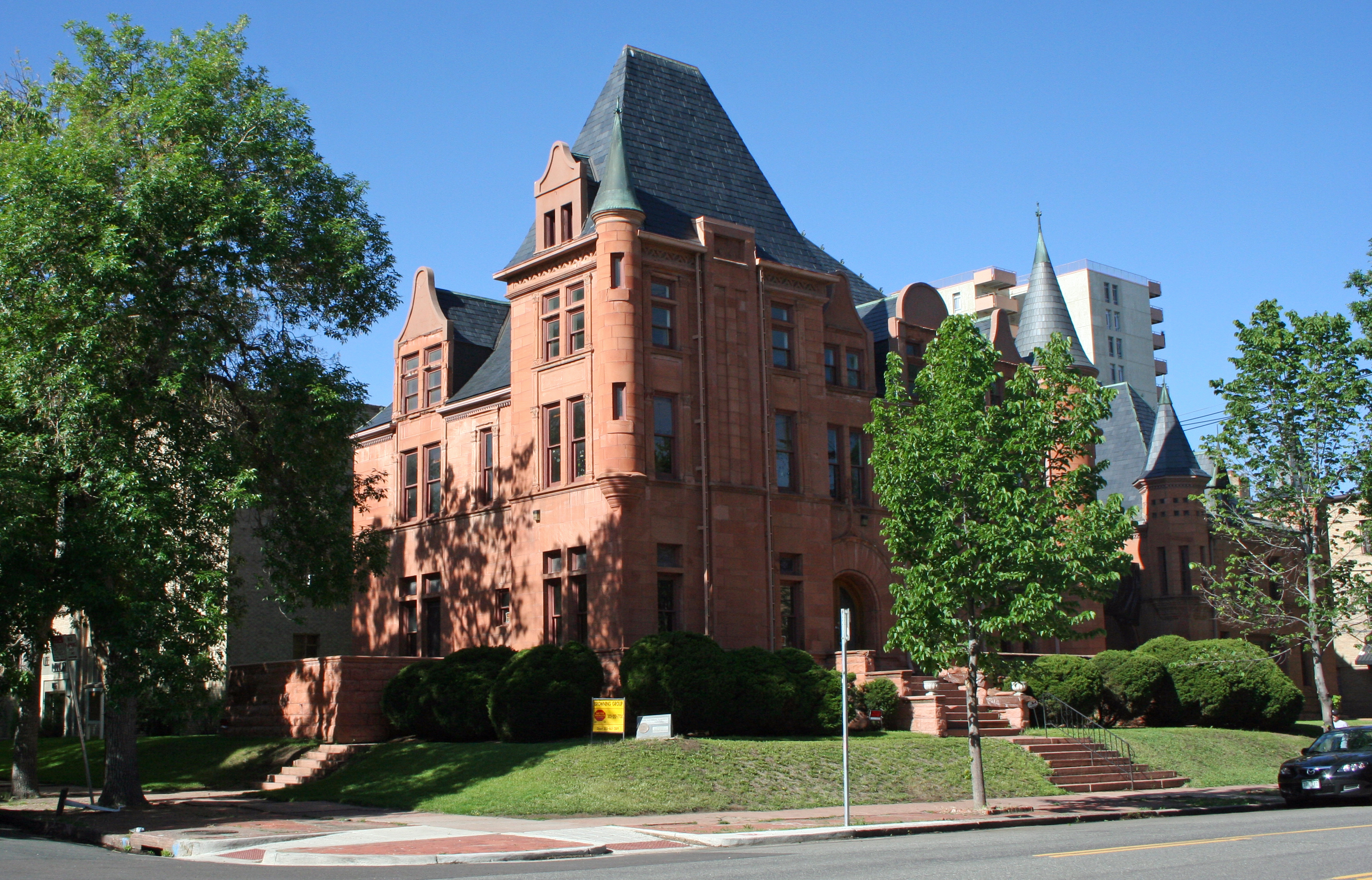
The Croke-Patterson Mansion in Denver's Capitol Hill is a 14,000-square-foot pile of red sandstone, and the story everybody tells about it starts with two dogs that went out a window.
This was the 1970s, when the place held offices and was being renovated. The crews kept hitting the same problem: work they finished one day was found undone the next morning, as if something came through behind them after dark. So they brought in two Doberman guard dogs and shut them inside overnight to watch the place. The next morning both dogs were dead on the sidewalk. They had gone through an upper-floor window. The accounts differ on which floor and which room, but they agree on the ending. People in the rooms upstairs say they still hear the Dobermans barking, long after there were any dogs left to bark.
The house had a reputation before the dogs. A Denver businessman, Thomas Croke, built it in 1891 and, as the story goes, walked through the finished rooms once, came away so unsettled he never returned, and traded the place away within a couple of years. Thomas Patterson, who owned the Rocky Mountain News, kept it for decades with his wife Kate and their daughters.
The basement holds its own legend. A séance is said to have named a little girl entombed in the cellar, so crews dug. They never found remains. What they found was a hidden chamber packed full of sea sand, sitting under a mansion a thousand miles from any ocean, and no one has ever explained why it was there.
The house is the Patterson Inn now, nine suites, restored in the early 2010s. The owner pulled things out of the walls during the work: an 1891 newspaper, old children's clothing, garter-belt clips, a candle from the 1940s. Guests still report a woman on the grand staircase. And one of them, after a night there, would only say the place "has a presence."