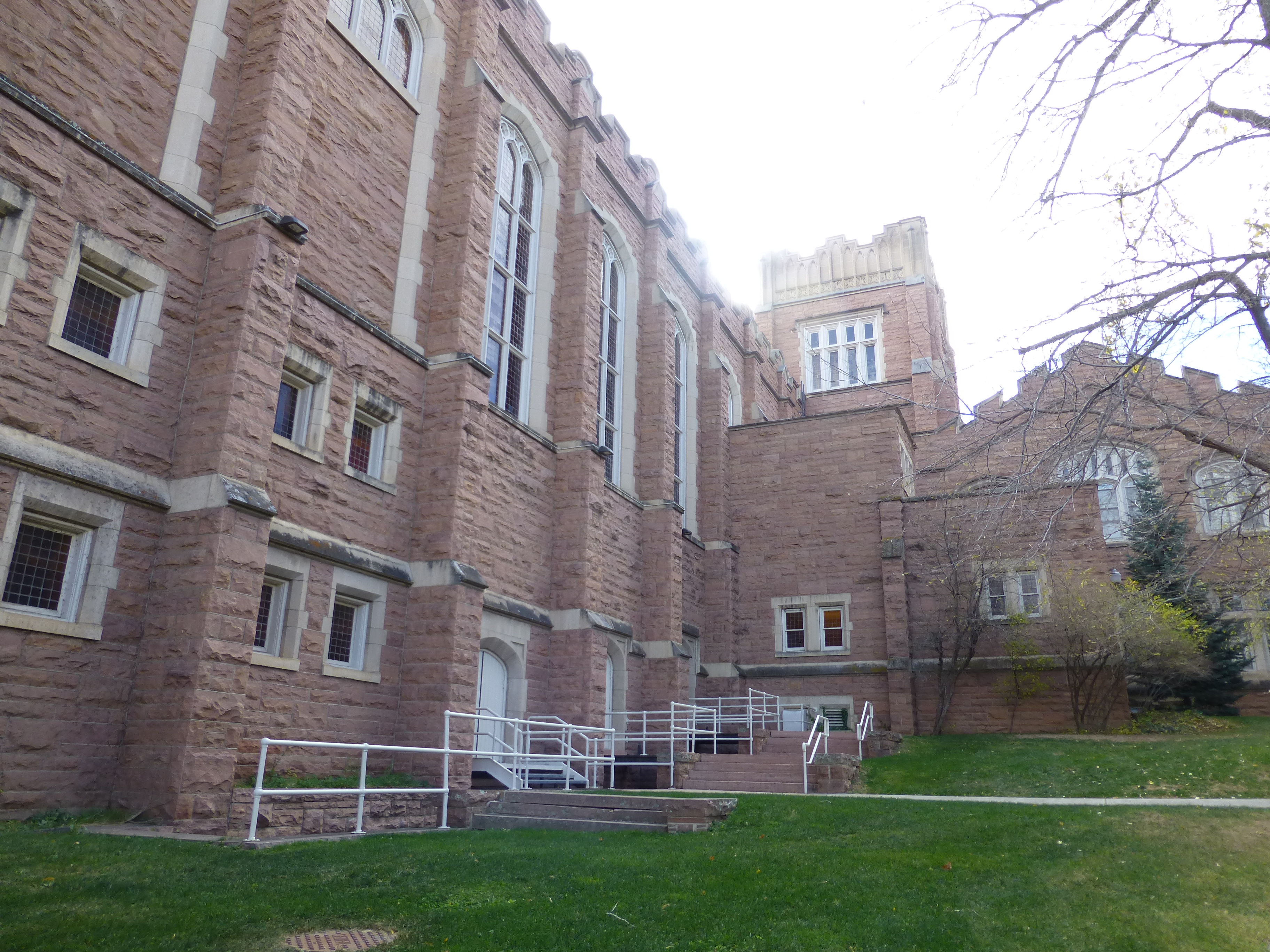
The haunting people repeat at Macky Auditorium on the CU Boulder campus is built on a real 1966 murder. The lore polished it into organ music and a drifting shadow. Campus historians and staff call that story disrespectful.
The Macky Auditorium ghost story, the one students at CU Boulder pass around, is built on top of a real young woman who was killed there. The lore mostly leaves her out.
Her name was Elaura Jaquette. She was 20, a CU student, and on July 9, 1966, a university janitor named Joseph Morse lured her into the building's gothic west tower and raped and murdered her. He set fire to her body afterward. Her body was found the next day. Morse was turned in by his own stepdaughter about a month later, sentenced to 888 years, and died in prison in 2005.
That is the thing underneath. It is not what the ghost story tells.
The legend that grew up after, by most accounts about five years later, is tidier and easier to repeat. Phantom organ music late at night. Singing, screaming, lights with no source. A woman's shadow moving the halls. A man in a brown suit wandering the auditorium. Blood said to surface on the walls of the tower room. Jaquette had practiced the organ in the building, which is how the music attached itself to her.
National media made it worse, inventing a detail that students nearby were playing music loud enough to drown out her screams in a soundproof room. None of that was true. The attack happened around 3 in the afternoon.
People have tried to settle it. The Rocky Mountain Paranormal Research Society went in with audio recorders, EMF sensors, and seismographs, and a second team investigated alongside them in 2009. Across multiple sessions they found nothing substantial. A campus historian had to publicly correct the popular version that Jaquette and Morse were friends; they had only met in passing at a museum.
The clearest voice on it is a Macky stage hand, Cassie Eron, who calls the ghost story disrespectful misinformation. "The family of the victim had to live through all of this," she said. "They didn't want to make it public."