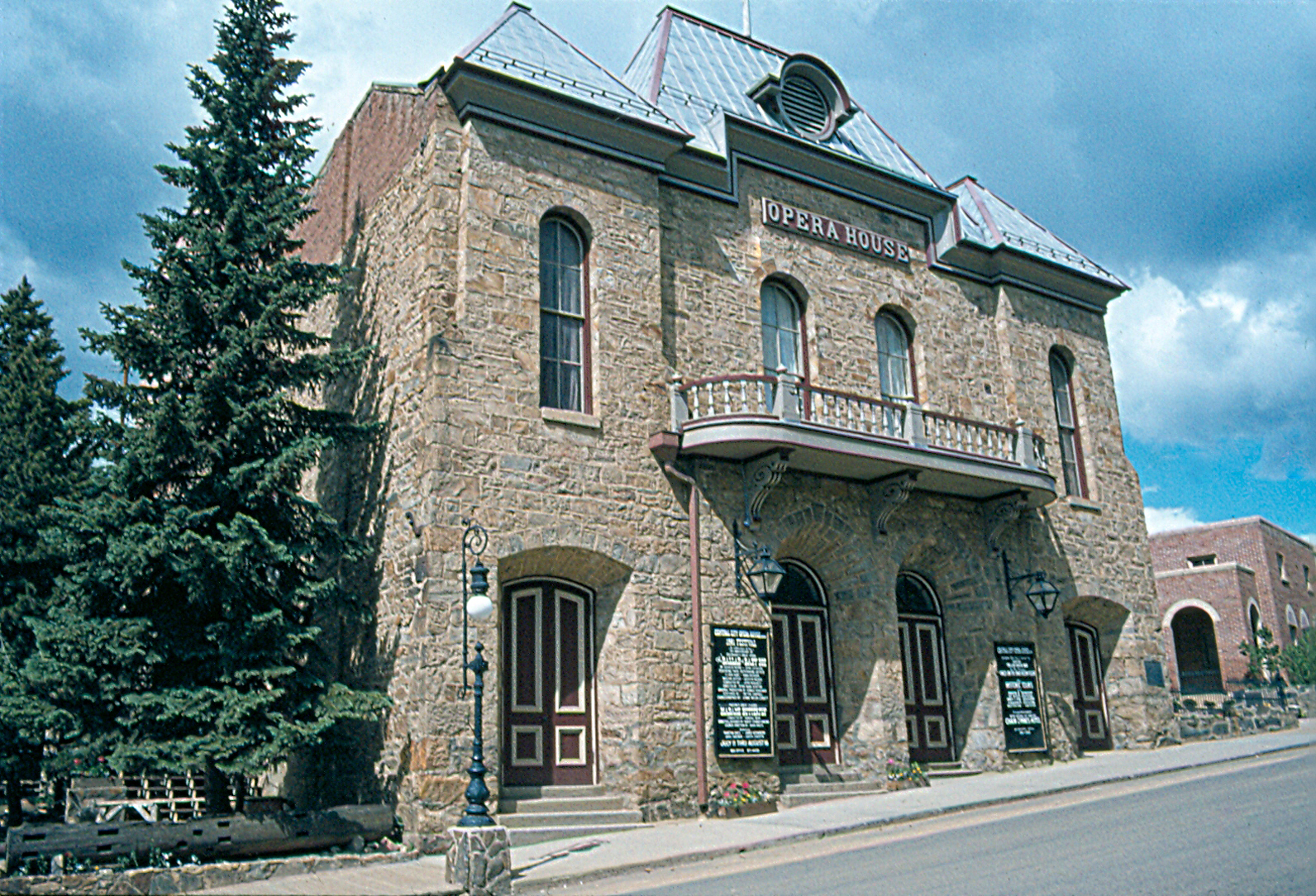
The Central City Opera House in Colorado has kept a backstage ghost since the 1860s. Actors smell whiskey, then feel a nudge, then nothing. They say it's Mike Dougherty, a miner who took to the stage and drank himself into the floorboards.
At the Central City Opera House in Colorado, the smell of whiskey arrives first. It comes on sharp backstage, sharp enough that performers stop mid-rehearsal, and then there's a nudge on the shoulder, or a hand ruffling the hair from behind. Then nothing. Staff say it's Mike Dougherty.
Dougherty was a Gilpin County miner who traded the mines for the stage in the 1860s, a crowd favorite around 1865. He drank himself to death. No one wrote down the year. What they wrote down is that he was happiest in this building, and by every account he never left it. People also report flickering orbs drifting across the darkened stage and vanishing into the wings, and footsteps along the balcony, those laid to a long-dead woman who came to watch and apparently still does.
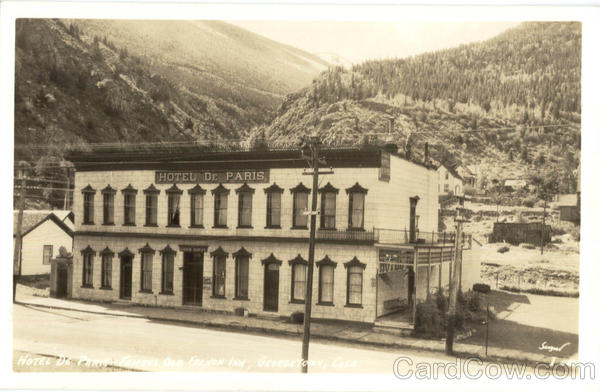
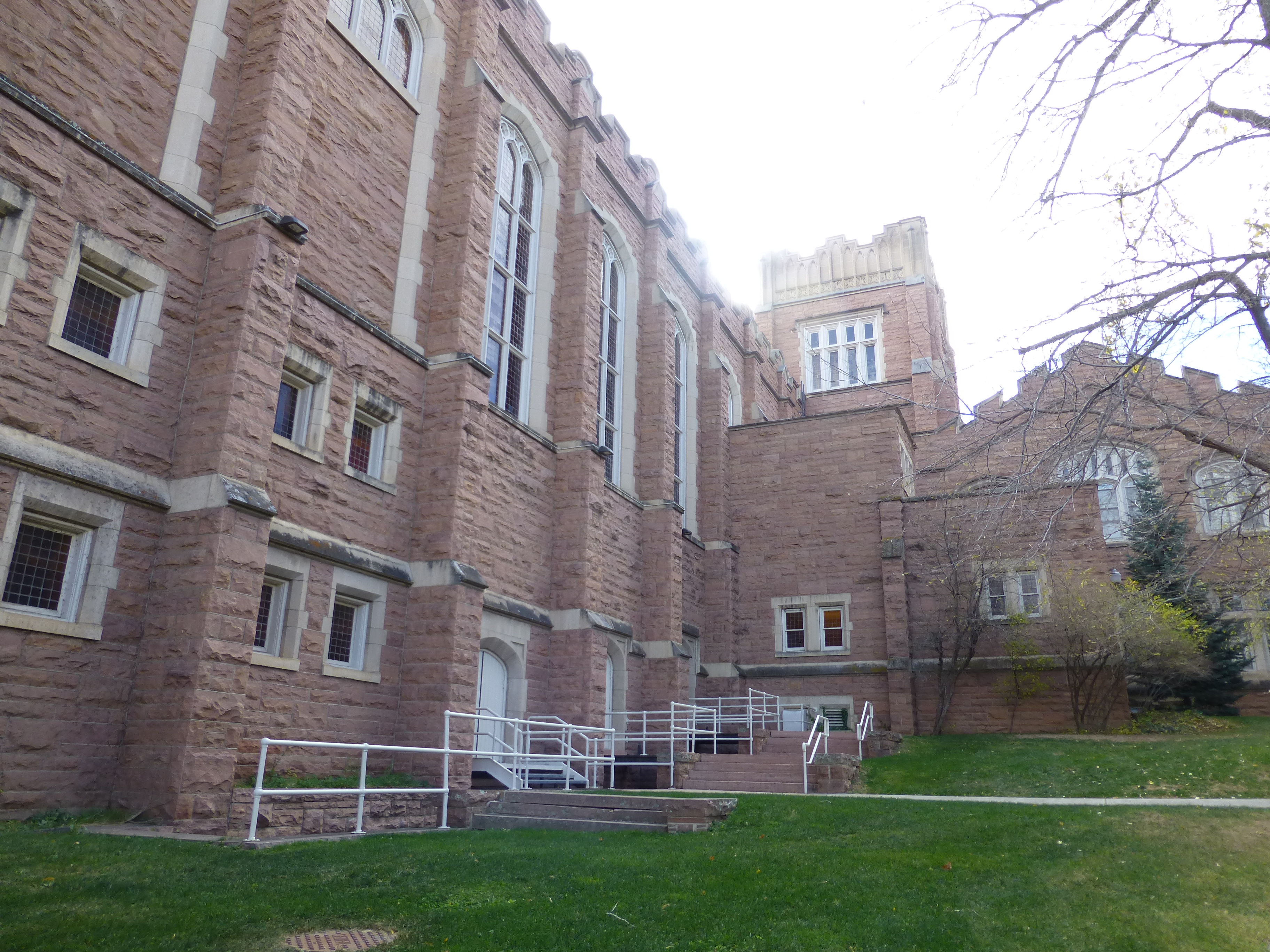
The stone house was built in 1878 by Cornish and Welsh miners, and it has run an opera festival every summer since 1932. So Dougherty has plenty of company. The one staff talk about most is Billy Hamilton, an Irish doorman who lived here in the 1930s. The story goes that Billy insists on an introduction. Skip the courtesy and he's said to trip you. One man who refused to introduce himself was tripped hard enough to break his nose, the legend runs, and an investigation turned up nothing but a smashed, empty can of Copenhagen tobacco, Billy's brand. "He regarded it as his home," the Gilpin Historical Society's Marty Fast said of him. "After his death, he was there to protect it."
There's one more face here, and it's a real one. Next door, in the bar of the connected Teller House, a woman's face has been painted into the hardwood floor since 1936. The bar's owners sell it as a grieving miner's tribute to his dead wife. It isn't. The painter was Denver artist Herndon Davis, who had been told to quit or be fired, and who slipped down to the bar after midnight with a bellboy holding a candle and finished it at 3 AM. The face is his own wife, Nita. He never signed it. Drinkers walk on her every summer night.