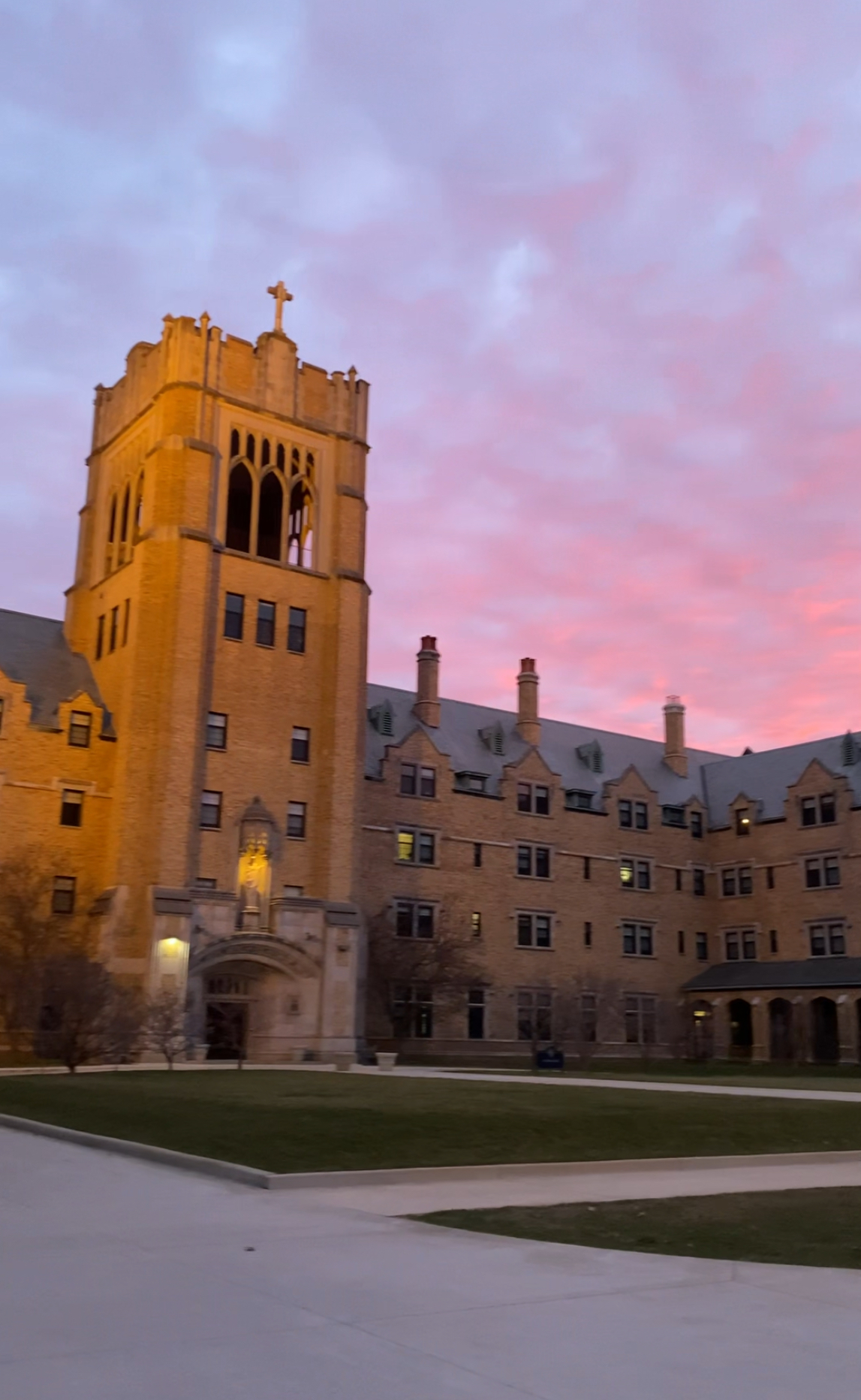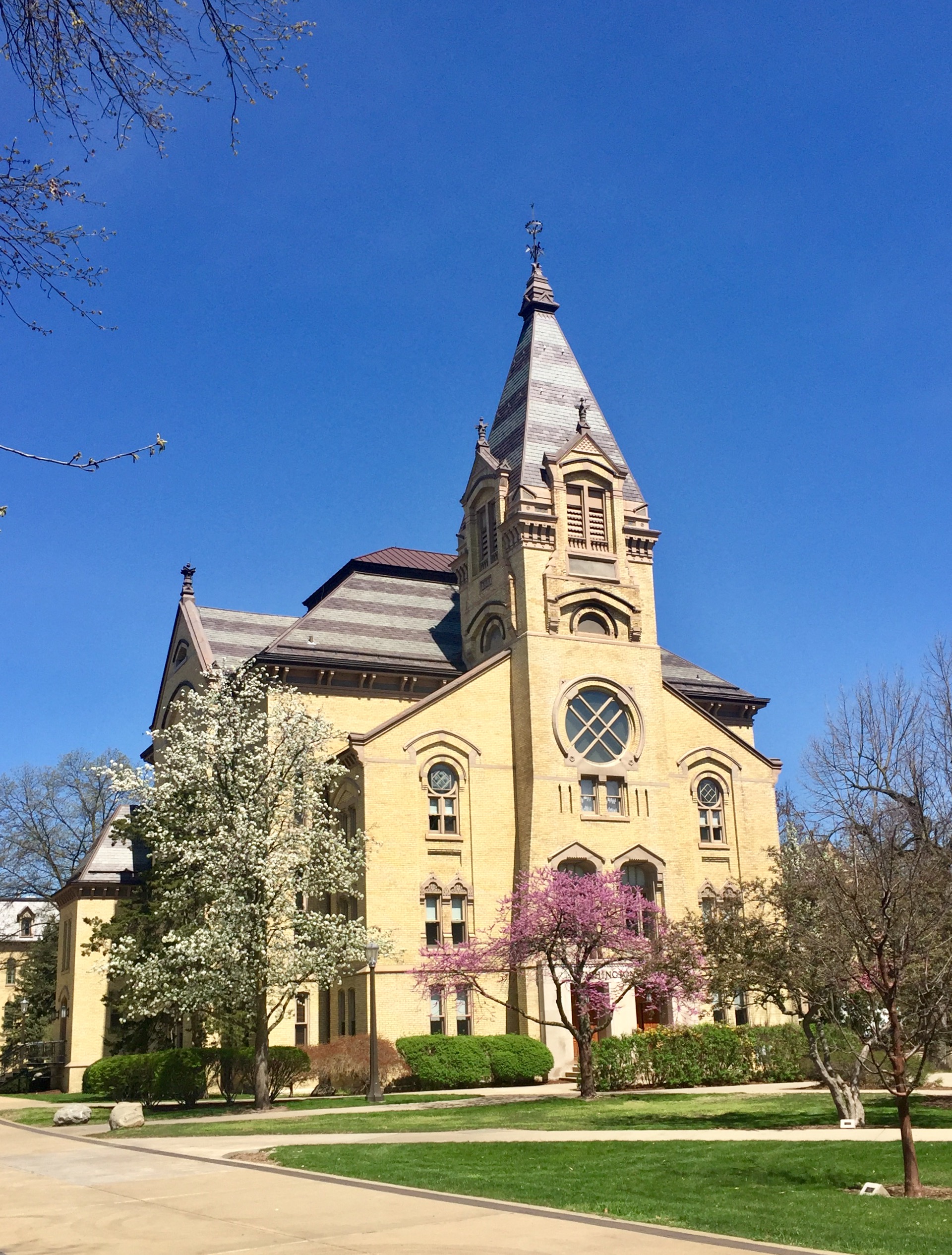
Washington Hall at the University of Notre Dame has a ghost that started without a name, waking the building's eight residents with a French horn at midnight. Five years later a student gave it the face of George Gipp, and the legend has run on his name ever since.
The ghost in Washington Hall at the University of Notre Dame started without a name. In the 1920-1921 school year, the campus magazine *Scholastic* and the *Dome* yearbook reported a presence in the theater building that, in their words, "blew a French horn with much violence." At the dead of night it would wake the hall's eight residents from sleep with a single prodigious blast. There were footsteps in empty corridors and papers sliding under doors. For five years, nobody could say who it was.
Then a name arrived. In the 1926 edition of the *Dome*, a Brazilian student named Pio Montenegro claimed he had seen the ghost of George Gipp galloping a white horse up the south steps of Washington Hall. Gipp was Notre Dame's first football All-American, and he had been dead since December 1920, taken at 25 by pneumonia and strep throat in the years before antibiotics. Montenegro lived just across from those steps. After his account, every later sighting got attached to Gipp, and the anonymous horn-blower finally had a face and a jersey number.
The popular version says Gipp himself caught his death on those steps, locked out after celebrating a game and forced to sleep on the stone in the cold. Notre Dame's own magazine rejects it: "there is no evidence that the star player was locked out of his dorm and slept overnight on the steps of the building, thus contracting his fatal illness." The story persists anyway, because it makes the ghost's choice of doorway feel like grief instead of coincidence.
The timing is what the building's own historian could not get past. Mark Pilkinton, an emeritus film and theater professor, spent a chapter of a 300-page book on the legend and came away thinking the original ghost was a student prank. "We don't hear anything about George Gipp until five years after he died," he said, "and then it is on a white horse charging up the (now gone) south steps."
He even had a suspect for the horn. Joseph Casasanta, who wrote Notre Dame's Alma Mater and later led the Marching Band for 20 years, lived in the hall in 1920. "If it were a hoax then he certainly might be involved," Pilkinton said, "but we don't know."
The building opened in 1881 and served as the university's theater for 123 years. A second ghost is said to keep it company: Brother Canute Lardner, who died during a movie there in 1946, and who is reported at a first-floor east window, watching the people who pass.