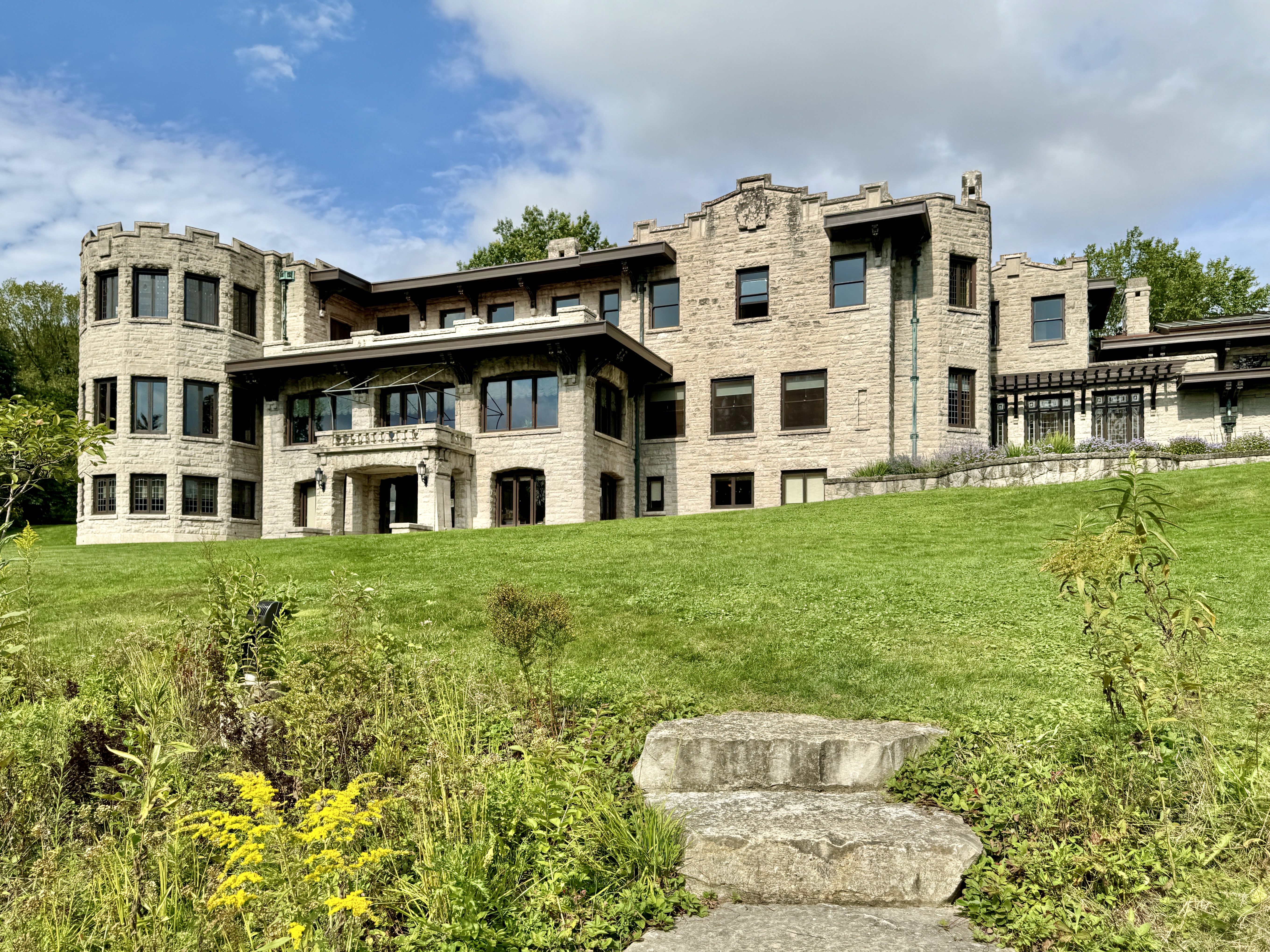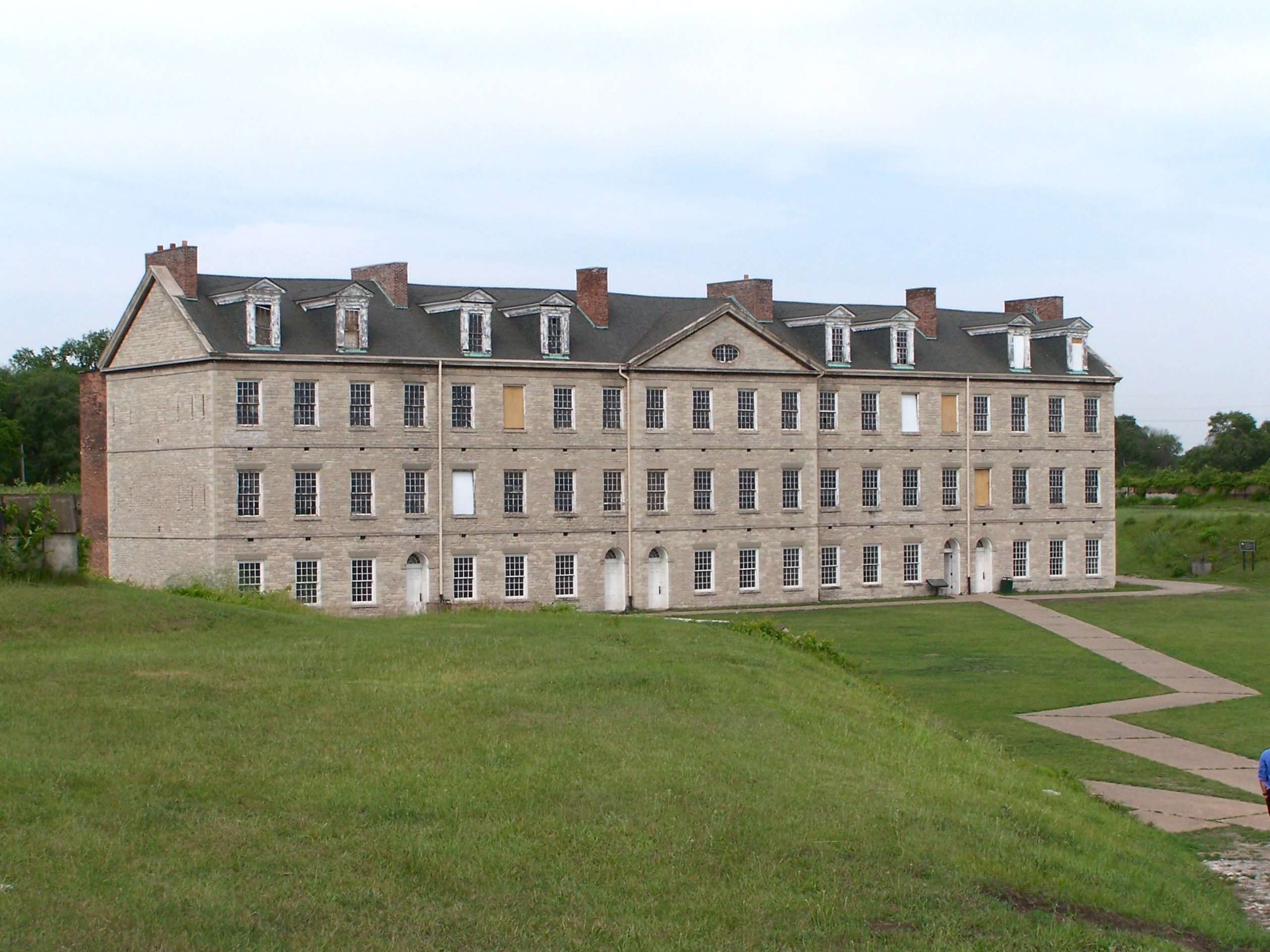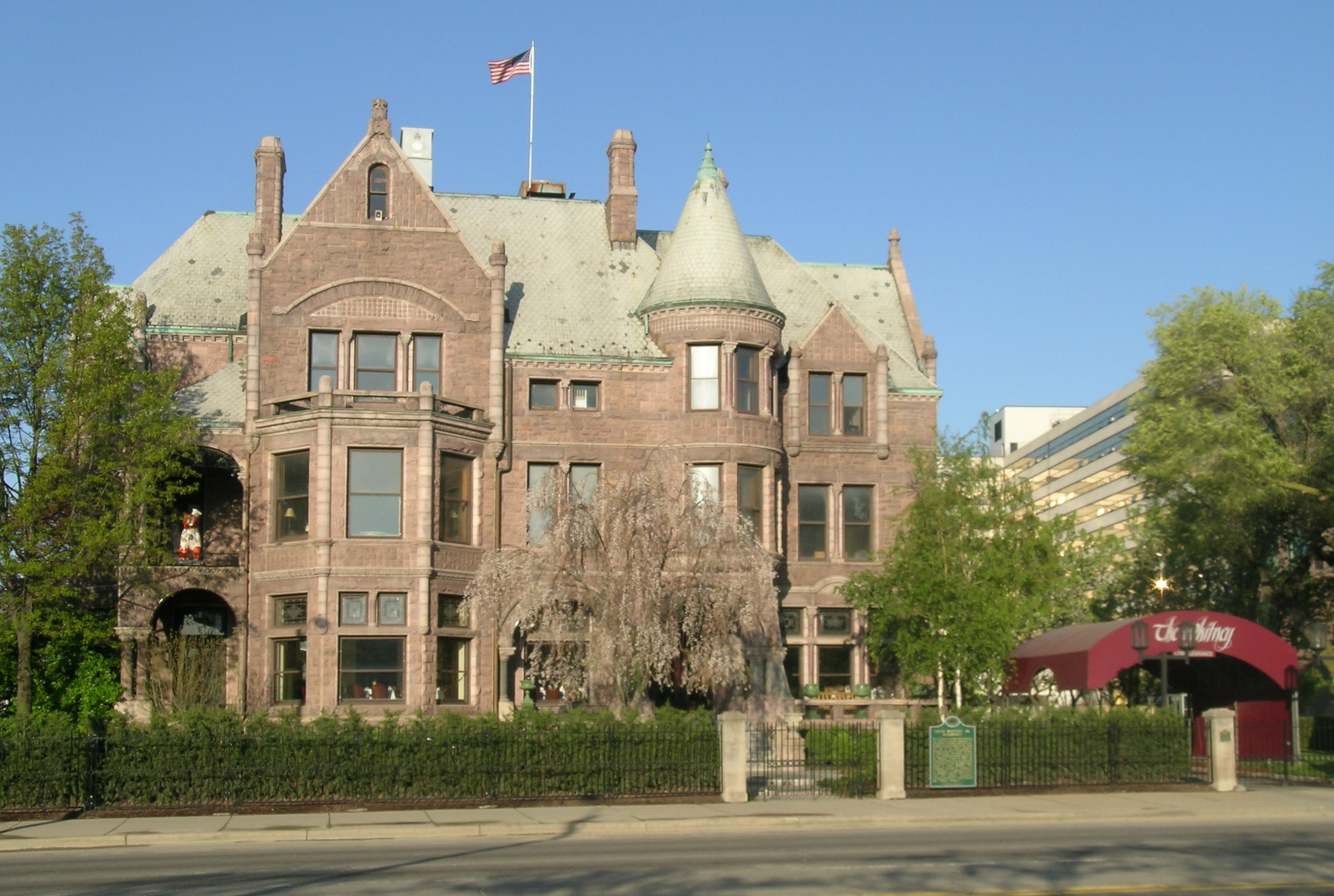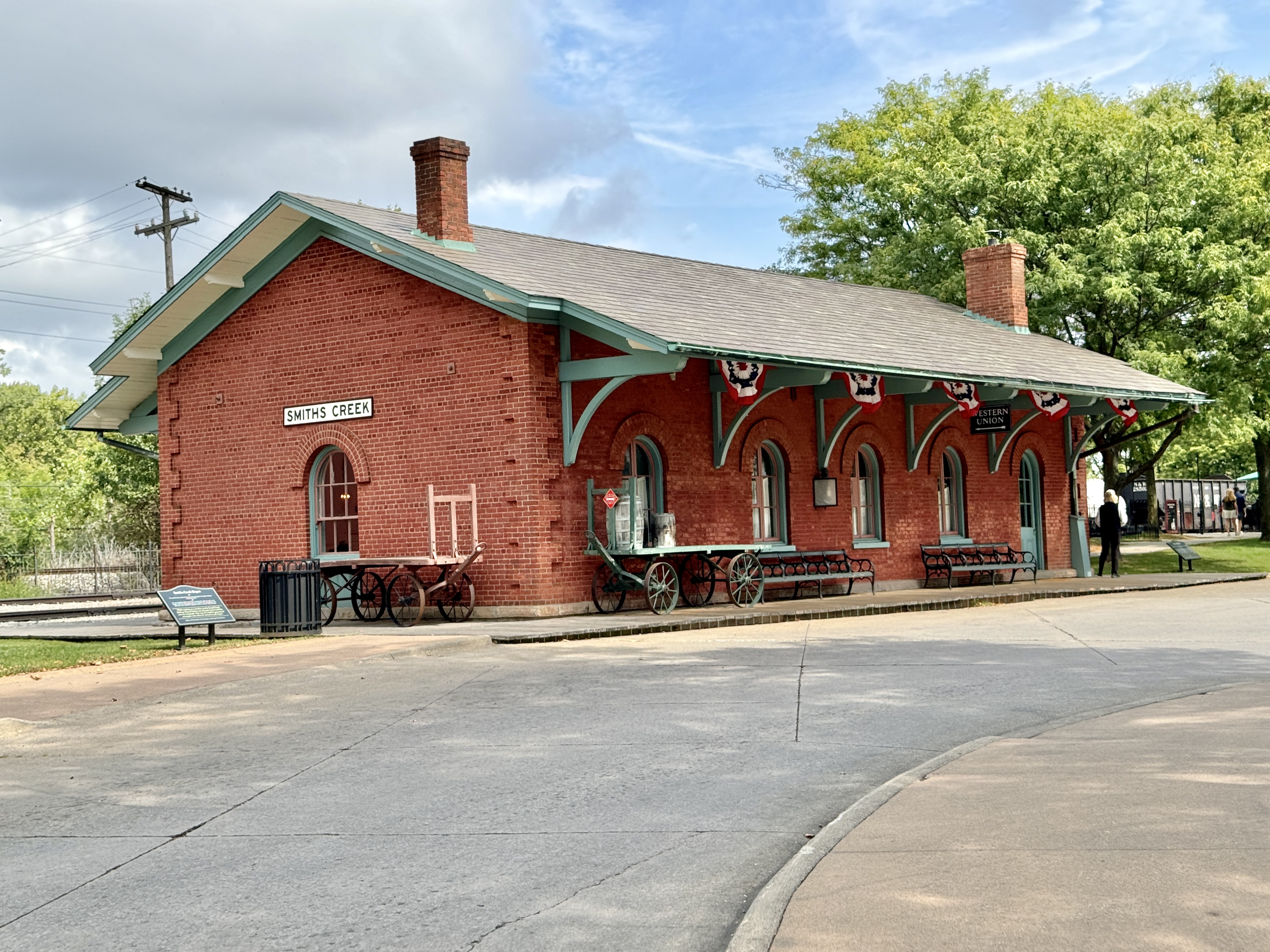
Greenfield Village in Dearborn, Michigan is a museum of houses Henry Ford moved from across the country. Presenters say he moved more than the architecture. In the Daggett saltbox, a girl on the train named herself a woman who died there 200 years ago.
At Greenfield Village in Dearborn, Michigan, a young girl riding the village train started crying as she passed one particular house. She pulled her parents off, walked them back to it on foot, went inside, and announced that she was Anna and had lived there. A presenter heard her say it.
The house is a colonial saltbox built around 1750 by a Connecticut housewright named Samuel Daggett, who married a woman named Anna Bushnell around the same time. It didn't always stand in Michigan. Almost nothing here did.
That is the strange premise of the whole place. Henry Ford dedicated Greenfield Village in 1929 and filled it with nearly 100 historic American buildings he had dismantled at their original sites and reassembled in Dearborn: Edison's New Jersey laboratory, the Wright brothers' Dayton home, Noah Webster's Connecticut house, rescued from Yale's wrecking ball in 1936. Ford believed a reconstructed building carried the weight of everything that had happened inside it. If you believe the stories that have collected around the village since, he didn't only move the walls.
The Daggett saltbox is where they pile up. Presenters say items locked in an upstairs storeroom turned up strewn across the floor, the locked doors standing open. One nearly fell down the steep stairs after catching her petticoat, then felt a hand grip her and pull her upright; the story names Samuel Daggett. They report a tap on the shoulder, a tug from nothing, a man's footsteps crossing into the parlor. In autumn, near the hearth, the smell of pipe smoke that has no source.
The Daggett house isn't alone. On the Wright brothers' home, a presenter standing on the stair landing in 1987 heard hard-soled footsteps cross the floor above, twelve feet off, with no one upstairs; a side-porch door handle on that house kept working itself loose and falling off. Visitors have reported Katherine Wright, the brothers' younger sister, who died in 1929, inside the family home. At William Ford's barn, the stories have horses stamping their hooves in stalls that haven't held a horse in decades. A man touring the Webster house once found his two young children upstairs, talking to a man in a roped-off bedroom. There was no adult up there.
None of it is on the record. The Henry Ford has never acknowledged a single ghost; every account traces back to former presenters and visitors, not the museum. No investigation, no equipment, no documentation.
Just a girl who got off a train she had no reason to leave, walked into the right house out of a hundred, and named the woman who lived there before any of it was carried to Michigan.