At Boone Hall Plantation outside Charleston, South Carolina, a woman appears at dusk by the old brick kiln, working her hands in the same motion over and over. She has no name. Behind her stands the brickyard where up to 225 enslaved people made 4 million bricks a year at deadly kilns.
At Boone Hall Plantation outside Charleston, South Carolina, a woman appears at dusk near the old brick kiln, down by the creek. She wears ragged dark clothes, her face hidden behind loose hair, and she does one thing: works her hands in the same jerking, thrusting motion, over and over, like she can't stop. People who've seen her say she's semi-transparent, that the fading light seems to pass right through her, and that she only appears within about 20 yards of that one spot.
She has no name. What she has is the brickyard behind her.
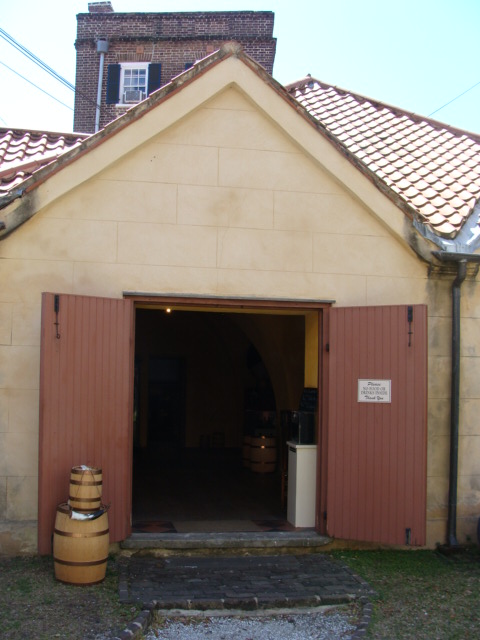
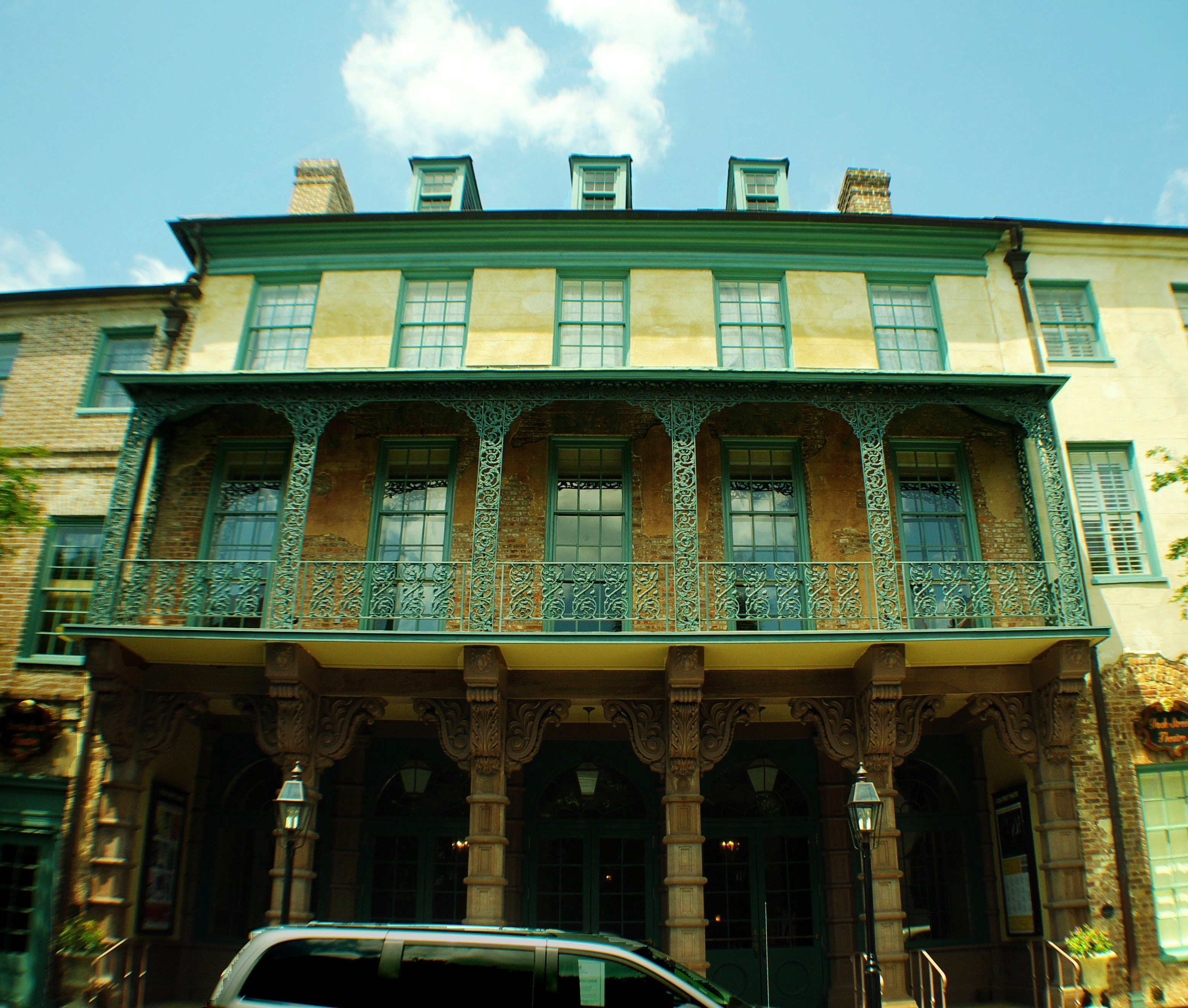
The Horlbeck brothers bought Boone Hall around 1817 and put the enslaved field workers to making bricks. By 1850 the operation forced up to 225 enslaved people to shape roughly 4 million bricks a year, entirely by hand, at kilns hot enough to kill. Workers were injured and died at the furnaces. Those bricks went on to build much of historic Charleston.
The story reads the woman as one of them: an 18th-century brickyard worker, worn to nothing, who may have collapsed during an overnight firing. It's told as a residual haunting, the paranormal word for a recording. The same figure, the same motion, the same patch of ground, indifferent to whether anyone watches. She's not there for anyone. She's just still working.
She's not alone at the kilns. Two child spirits, a girl and a boy, are reported near the same furnaces, their stories long gone.
The suffering left marks beyond the brickyard. Visitors on the grounds report being touched by unseen hands, or hit by sudden waves of grief with no cause. Along Slave Street, 9 brick cabins have stood for more than two centuries, one of the most intact rows of their kind in the country. Cabin 11 is the named hotspot: one guest walked in and felt what a local account calls "an unknown and creeping presence," and the television switched on as they crossed the room and stepped back out.
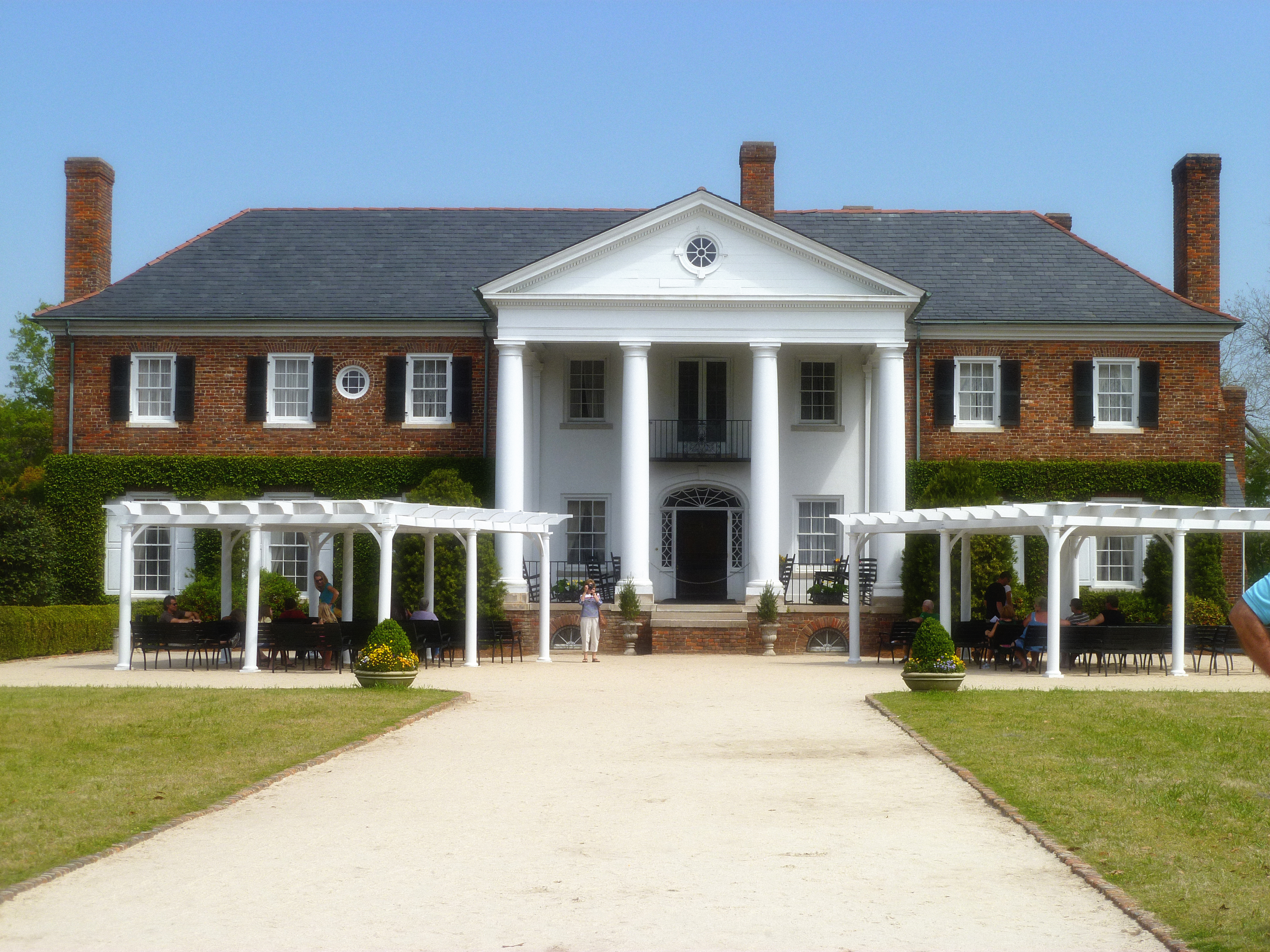
The strange part is where all of it gathers. Boone Hall has a grand 1936 mansion and a three-quarter-mile avenue of 88 oaks; The Notebook was filmed here. But the hauntings don't cluster at the beautiful parts. They stay at the brickyard, the kilns, and the cabins, where the worst of the work was done.
And the woman by the creek has no death record, no name, nothing written down. The only reason anyone can say what she was is that the furnaces she stands beside killed enough people to make it a fair guess.