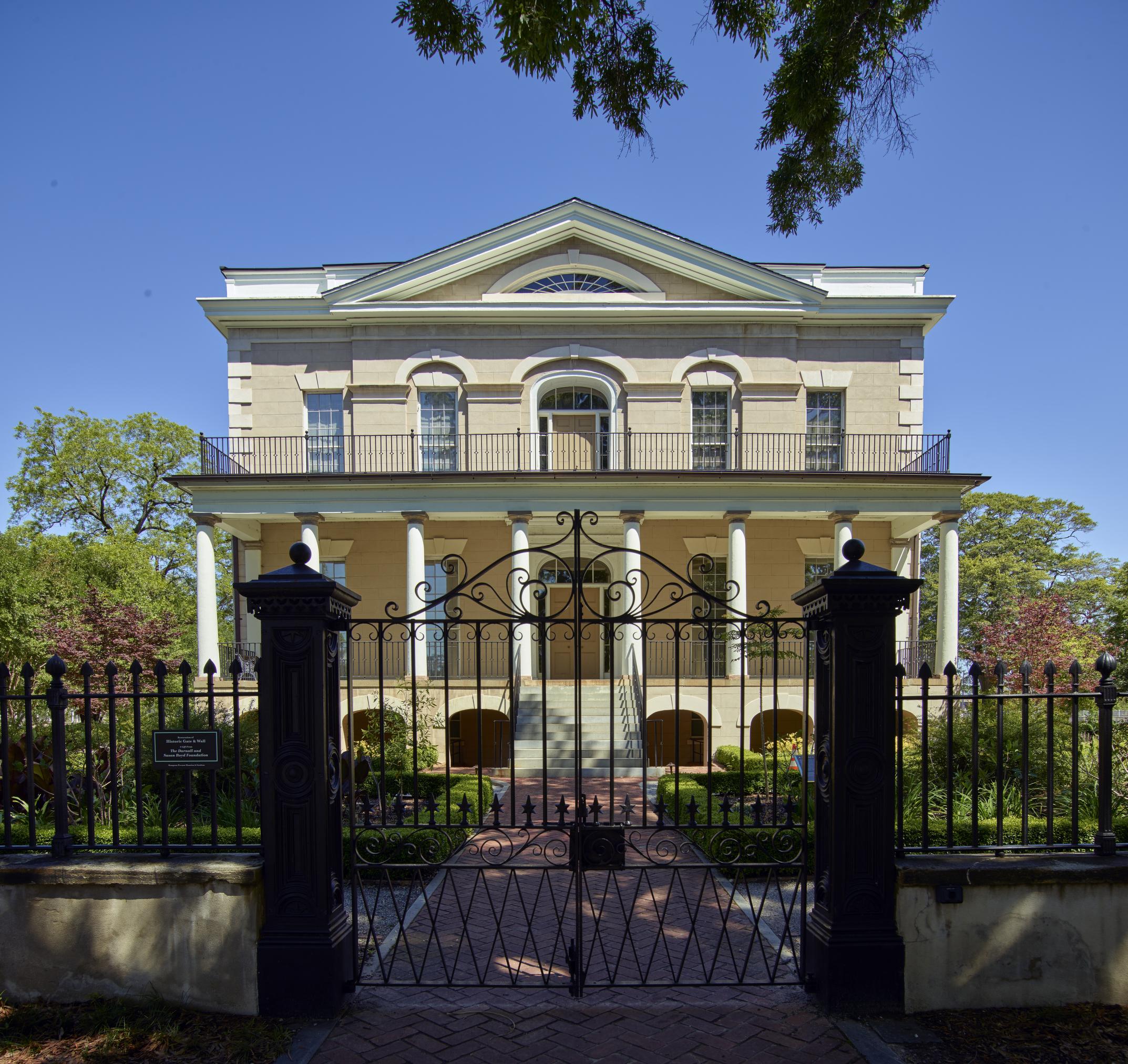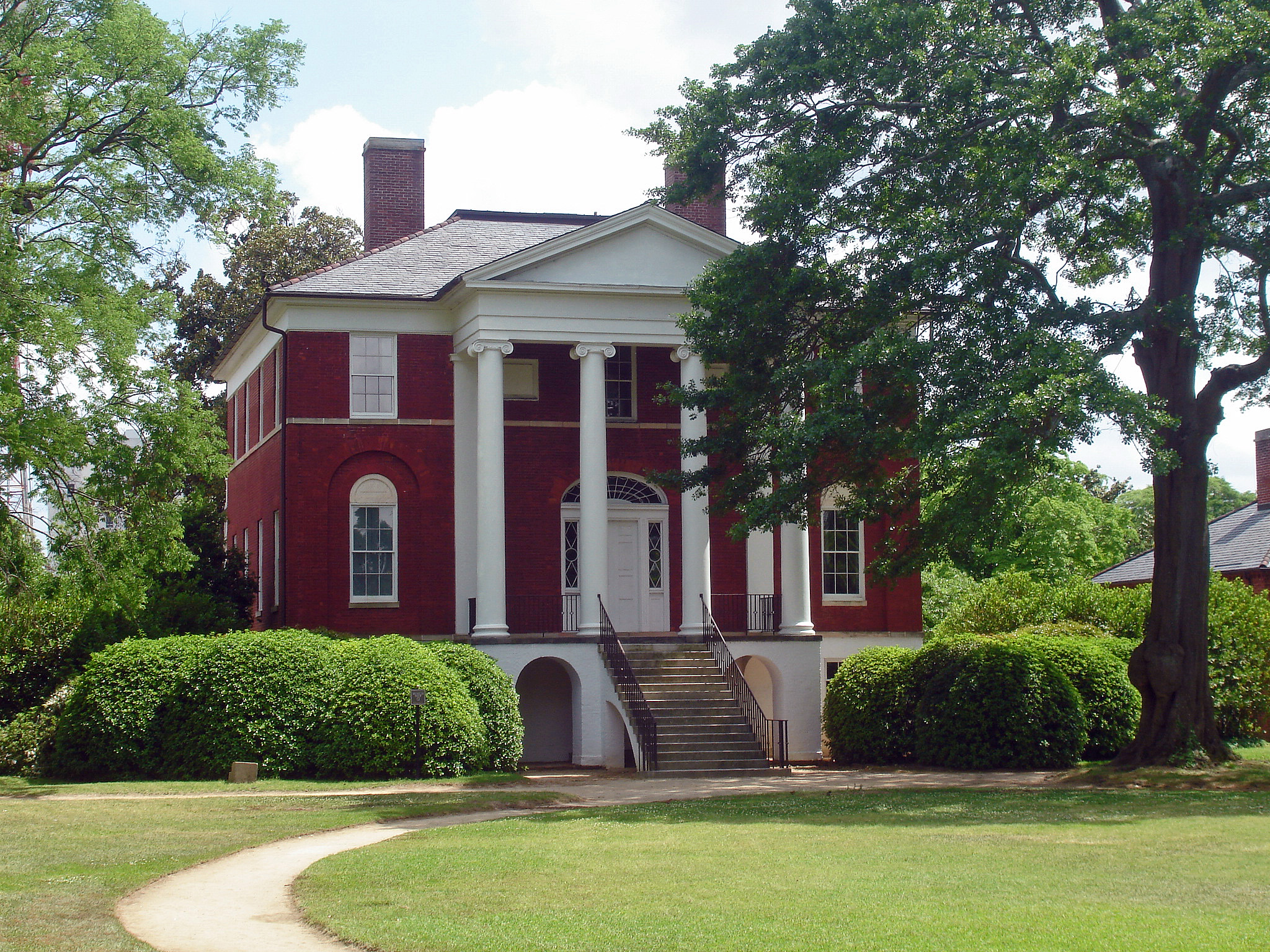
At the Robert Mills House in Columbia, South Carolina, staff keep finding one second-floor bed disturbed, the linens ruffled as if someone just rose from a fretful sleep. The story says she's Sarah Hall, the widow the house was built for, who never got to live in it.
The bed in a second-floor bedroom at the Robert Mills House in Columbia, South Carolina keeps turning up disturbed. Staff smooth the linens; later they find them ruffled again, in the words of one Columbia writer, "as if she has just arisen from a fretful sleep." No one has slept in that room in generations. There's no apparition, no cold spot, no footstep on the stair, only the bed, and the impression of someone who lay down in it.
The story goes that the someone is Sarah Hall, the widow this mansion was built for and who never got to live in it.
Her husband, Ainsley Hall, was a wealthy English-born merchant, and he wanted the finest house in Columbia. He hired Robert Mills, a young South Carolina architect who would later design the Washington Monument, and construction began in the spring of 1823. That August, while vacationing in Virginia, Ainsley died suddenly. The house wasn't finished. He never spent a night in it either.
Sarah completed it. Then the estate came apart. Ainsley's will hadn't mentioned the new house at all, and years of litigation followed. In 1829 she was forced to sell the finished mansion for $14,000 to a newly formed Presbyterian seminary. It was the second home she'd lost — Ainsley had already sold the couple's earlier house to Wade Hampton without telling her.
She never recovered. She retired to a plantation in Lower Richland County, and by 1850 the census listed her as "insane." A court declared her a "lunatic" in 1851 and handed her affairs to a nephew. She died in 1867 with an estate valued at $3,500, a fraction of what the woman promised the grandest house in Columbia had once been worth.
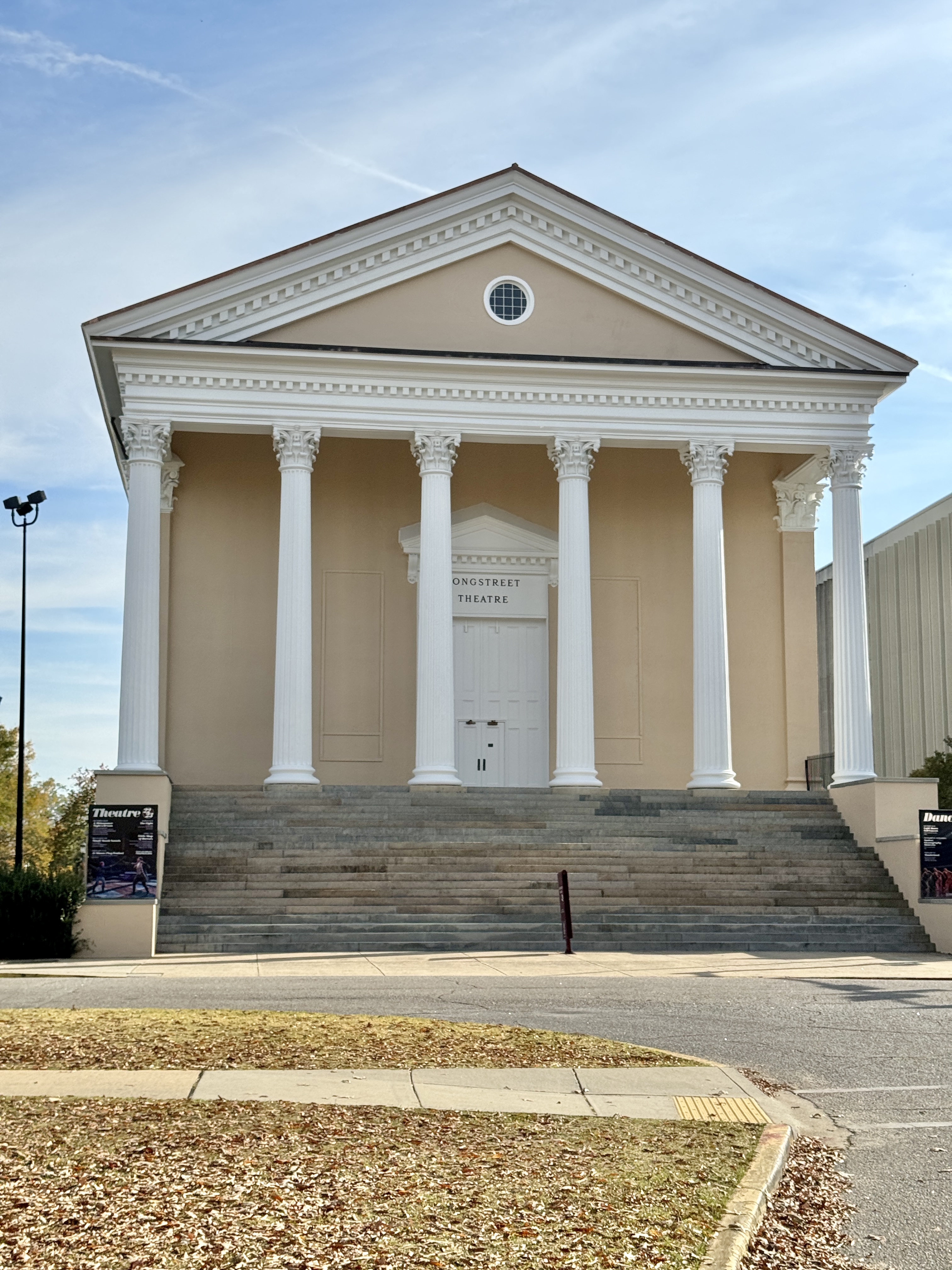
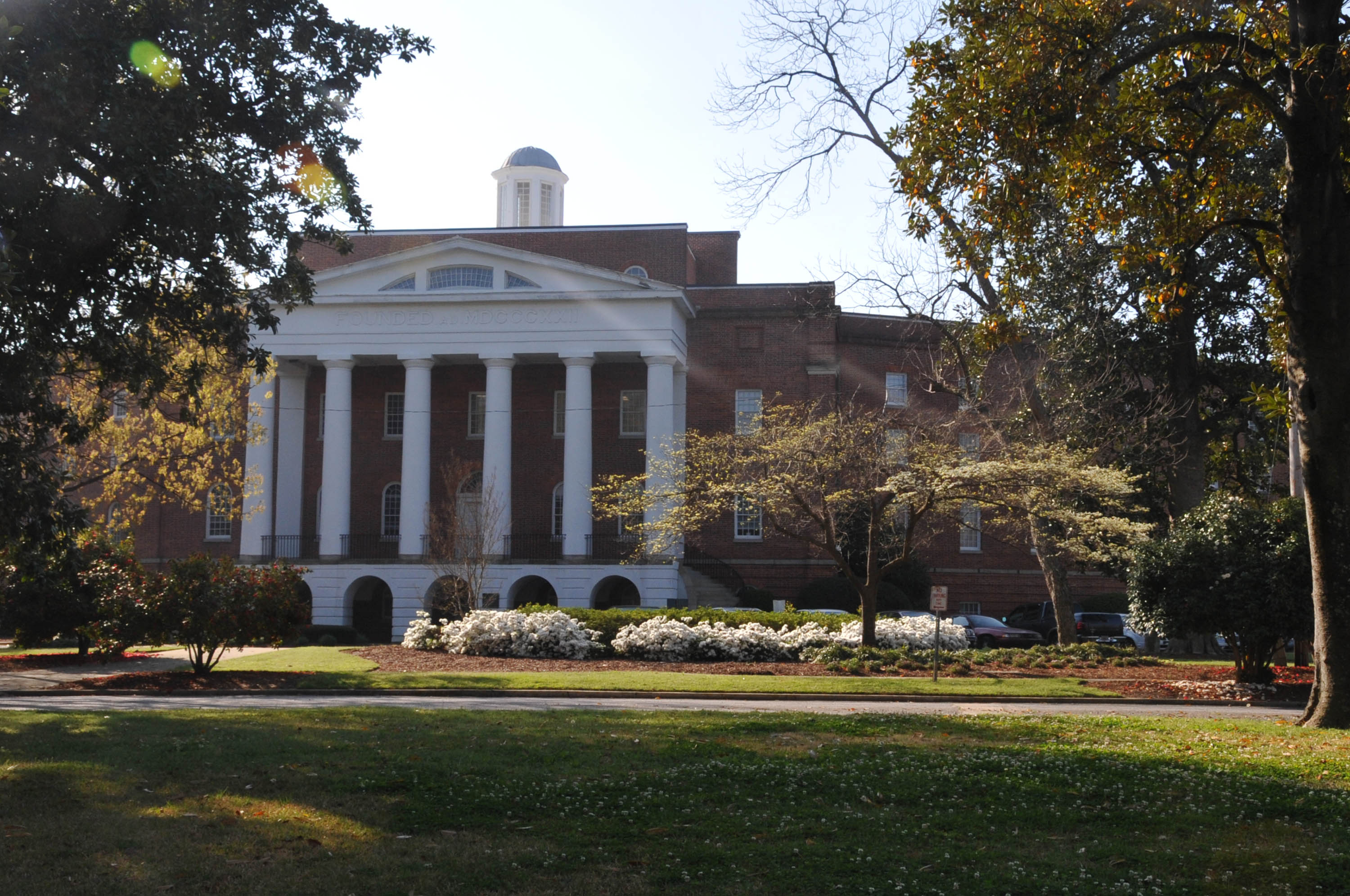
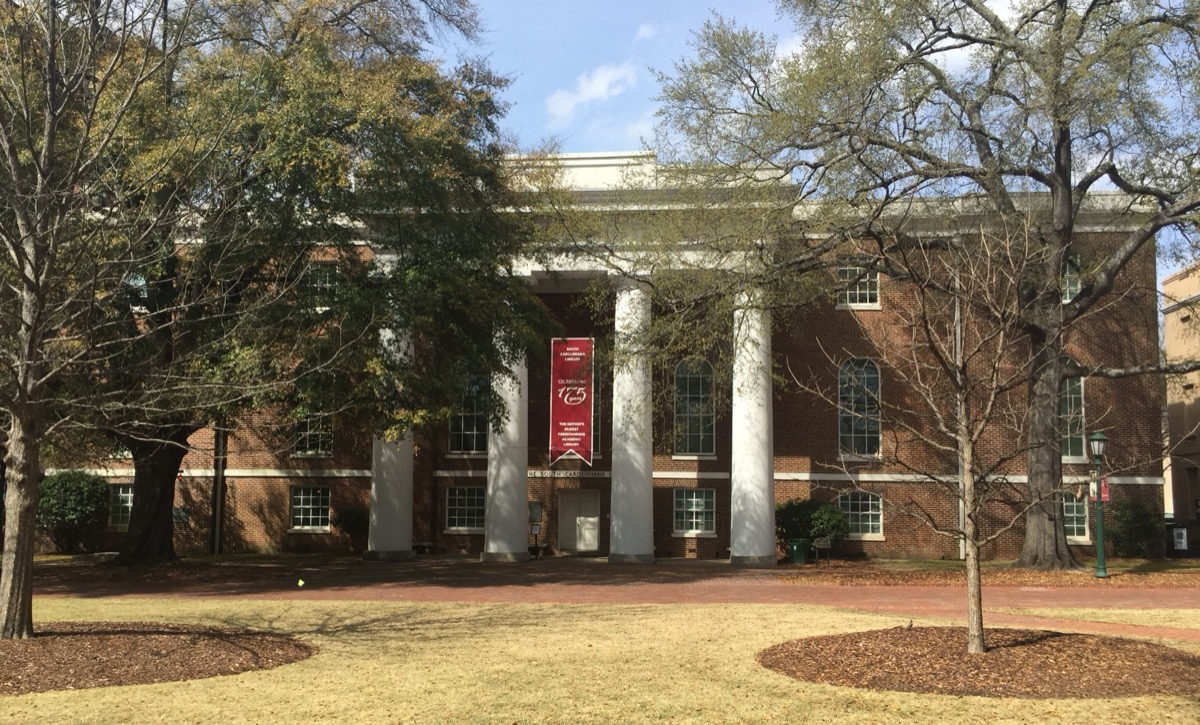
The house went on without her, and it was never anyone's home. First the seminary, for nearly a century. Then a teacher-training school, then a Bible college into the mid-20th century. By the early 1960s it was slated for demolition, until a grassroots group formed Historic Columbia, restored it over seven years, and opened it as a museum in 1967.
So the bed Sarah disturbs sits in a house no family ever lived in: a mansion built for her, finished by her, sold out from under her, and turned into an institution she never walked back into.
She was promised the best house in the city and never got to sleep in it. Now the only sign of her is a bed in an empty room that keeps looking like it was slept in.