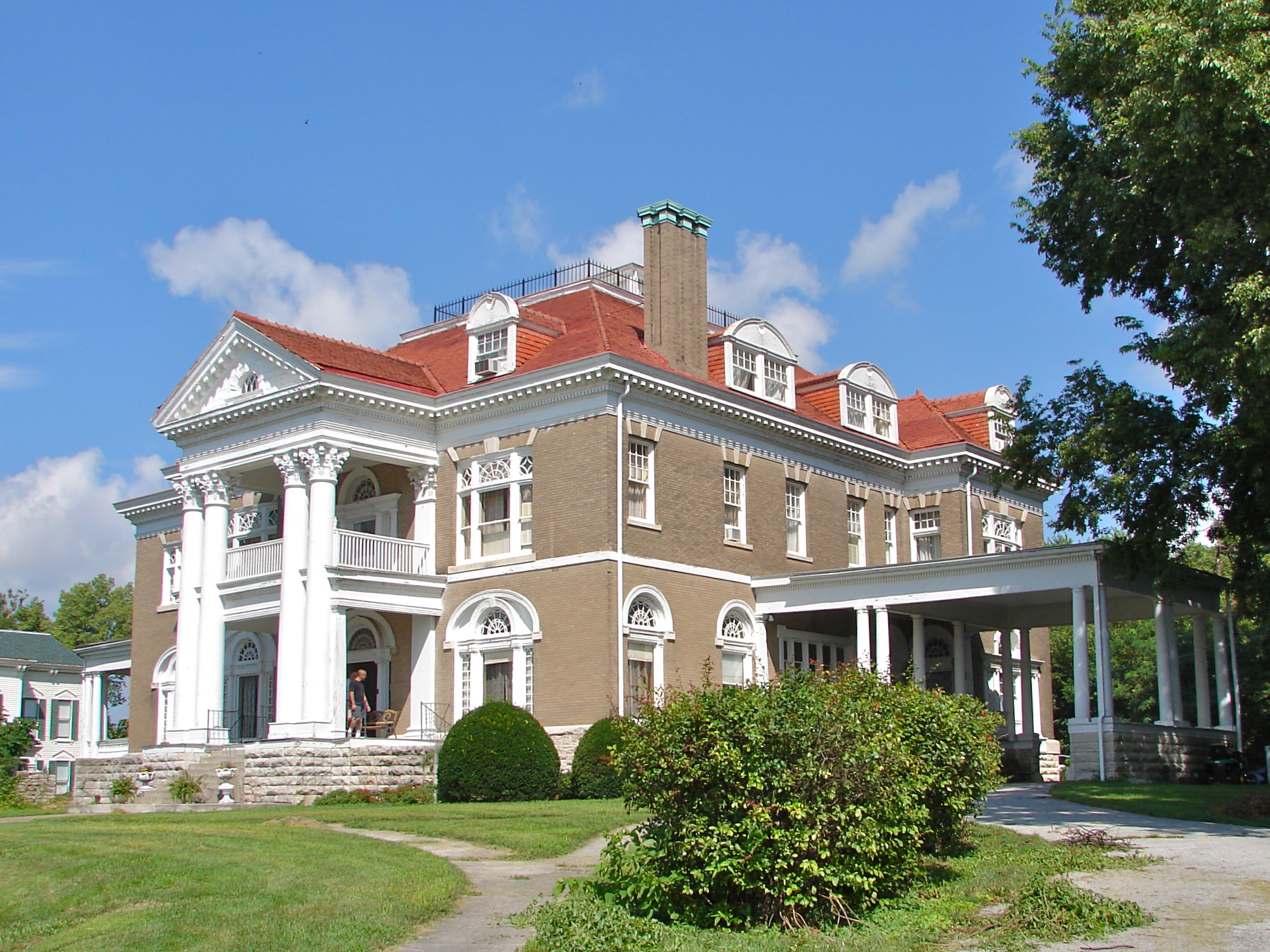
Mary McAvoy looked after Rockcliffe Mansion in Hannibal, Missouri, and every morning she had to remake the same bed. The lumber baron who built the house died in it in 1924. She said he still came home at 2 a.m.
Mary McAvoy looked after Rockcliffe Mansion in Hannibal, Missouri, and every morning she had to remake one particular bed. The linens were always pressed down in the shape of a body, as if a man had slept there overnight. The man whose bed it was had died in that room in 1924.
There was a routine that went with it. McAvoy said she could hear John Cruikshank come home every night at 2 in the morning. The servants' entrance door would slam. Heavy boots would climb the stairs and cross the hall to his bedroom, and a smell of cigar smoke would trail after them. "Would hear him come in through the servants' entrance at 2 o'clock in the morning," she said. The man it belonged to was the lumber baron who built the place.
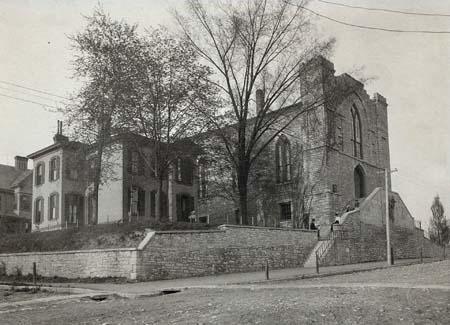
He built it big. Thirty rooms across 13,500 square feet, perched on a limestone bluff over the Mississippi, with 125 windows looking down at the river. The family moved in around 1900. Mark Twain, a personal friend, came back to Hannibal one last time in 1902 and spoke for nearly 90 minutes from a platform raised over the grand staircase, to 300 of the town's invited best.
Then Cruikshank died in his bedroom, and the family left for good. They walked out and didn't return, and the fully furnished house sat shut up for roughly 43 years — the books on the shelves, the clothes in the closets, the original furniture all left where it stood. When buyers finally came, they meant to tear it down. Instead they started restoring it, and most of the Cruikshank family's own things are still in place today.
He never quite left it either, the story goes. One caretaker waited on the staircase for the 2 a.m. footsteps and felt a rush of air pass her in the dark. Others report his wife in the music room, where two grand pianos once stood, and his daughters playing on the floors above. Investigators who have spent nights there describe cold spots, batteries draining, and a recording of a voice that whispers, "Get out." Ken Marks, a former resident who wrote a book on haunted Hannibal, calls it "a mundane haunting" — the lights, the small things — and thinks the spirits are protective, Cruikshank keeping his house standing on the hill.
The current owners say they've personally seen nothing in the years since they took it over. They also don't discount the people who have. And the bed McAvoy remade each morning belonged to a man who had died in it, lying down one last time, every night, in the house he built.