Before the Bijou Theatre in Knoxville was a stage, it was a 200-year-old hotel, and staff say its guests never fully left: a man shot over a glass of water, a Union general who died in the bridal suite, and something that tugs at your sleeve upstairs.
The first ghost the staff will tell you about was killed over a glass of water. It's late, the story goes, sometime in the 1870s, and a man named Thomas Atkins comes to the hotel bar drunk and asks for one. The man who runs the place, Thomas Sneed, keeps a pocket derringer in his jacket and no patience for the request. Why drink water, he scoffs, when you could have a man's drink? Then he shoots Atkins dead in a room full of people, shouting that his victim had reached for a knife. A jury believes him. Sneed walks. And Atkins, they say, still turns up around the building, thirsty, looking for the drink he never got.
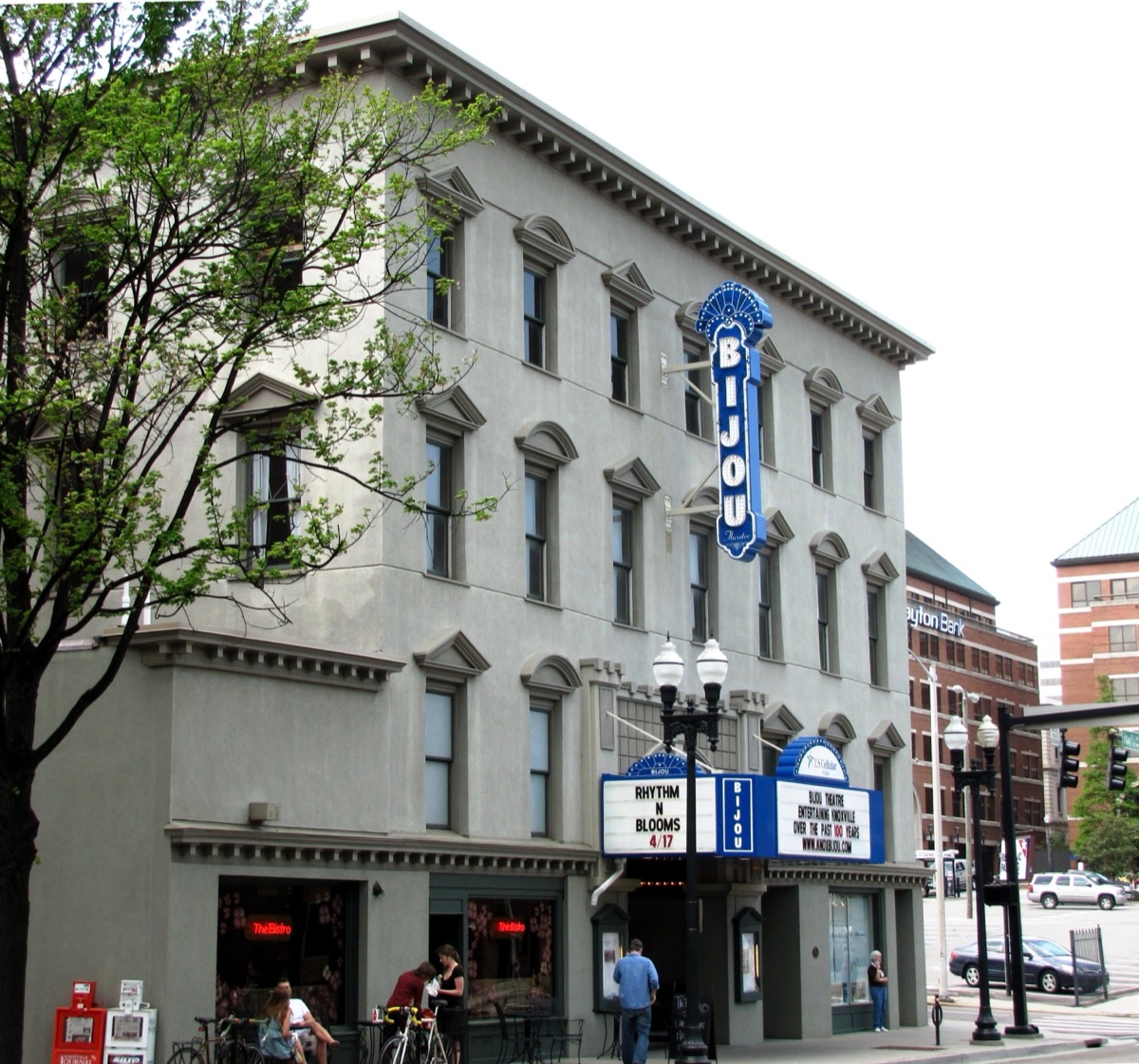
This is the Bijou Theatre in downtown Knoxville, and a ghost story starts at a bar because the building was a hotel long before it was a stage. It went up in 1817 as the Knoxville Hotel, became the Lamar House, and is billed today as the oldest commercially active property in the city. Andrew Jackson came for a reception here around 1819. The place has been collecting people for 200 years.
One of them was a general. In November 1863, with Knoxville under siege, a Confederate sharpshooter mortally wounded Union General William Sanders, and they carried him into the hotel to die. He passed in the bridal suite. The army kept the death quiet for 2 weeks, so the news wouldn't break the men holding the line. "He was brought here to the Lamar hospital for treatment," executive director Courtney Bergmeier said, "and they couldn't save him." Musicians and crew still ask her about the figure they see on the third-floor balcony — the one in the uniform with the brass buttons, on a balcony that's been closed off for decades. It's the general, she tells them.
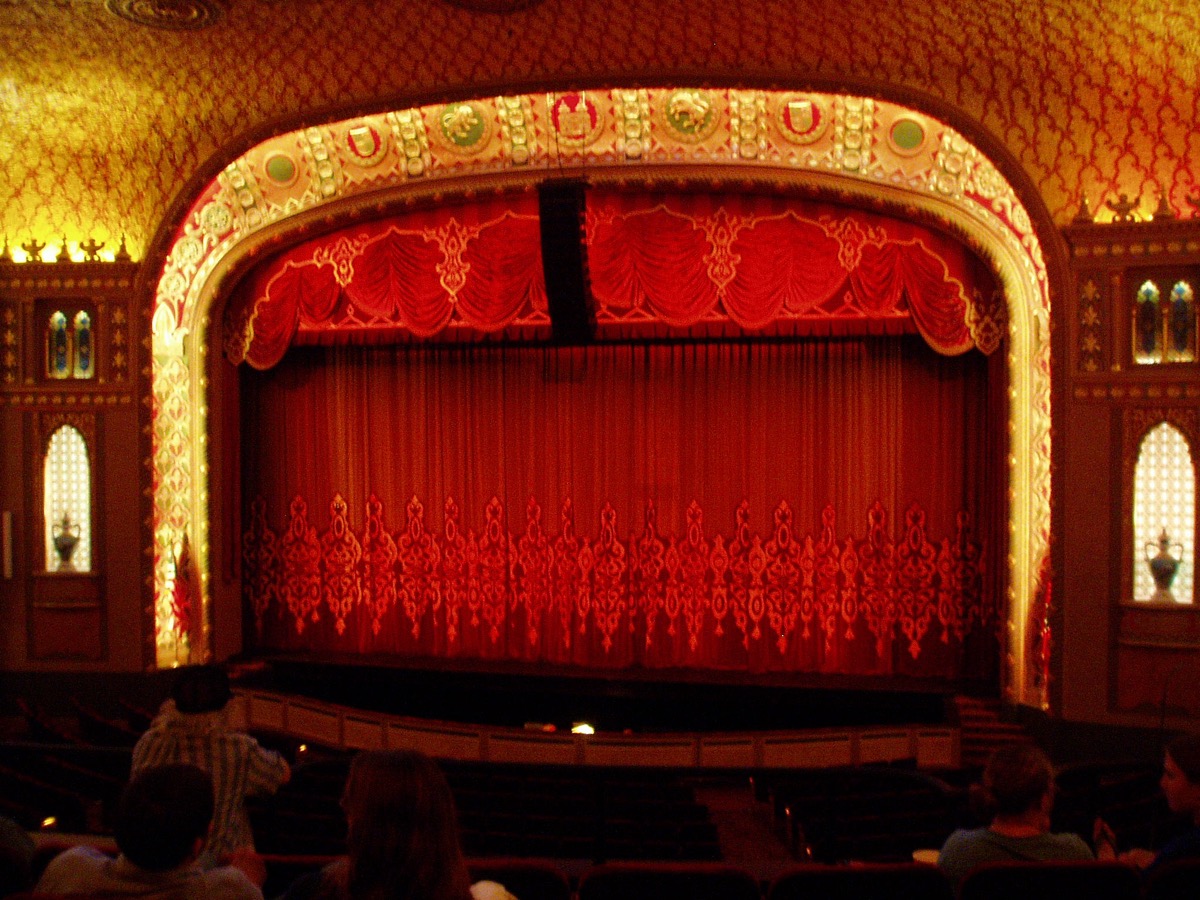
The Bijou opened as a theatre in 1909, nearly came down for good in the 1970s, and was rescued by a preservation group founded to save it. But the oldest hauntings belong to the hotel underneath. The spot investigators flag as the worst is a second-floor bathroom left from the Lamar House. Bergmeier was in it when something caught her sweater. "I felt two distinct tugs on the hem," she said, "and so I just kind of had to collect myself and remind myself that everything was fine."
She has a word for the man shot over a drink, the hidden general, and whatever pulled at her hem. She calls them happy ghosts.