In her seventies, alone in the Mabry-Hazen House in Knoxville, Evelyn Hazen began holding conversations with the apparition of an old friend in her bedroom. She talked with him for weeks, grew bored, moved to another room, and never saw him again.
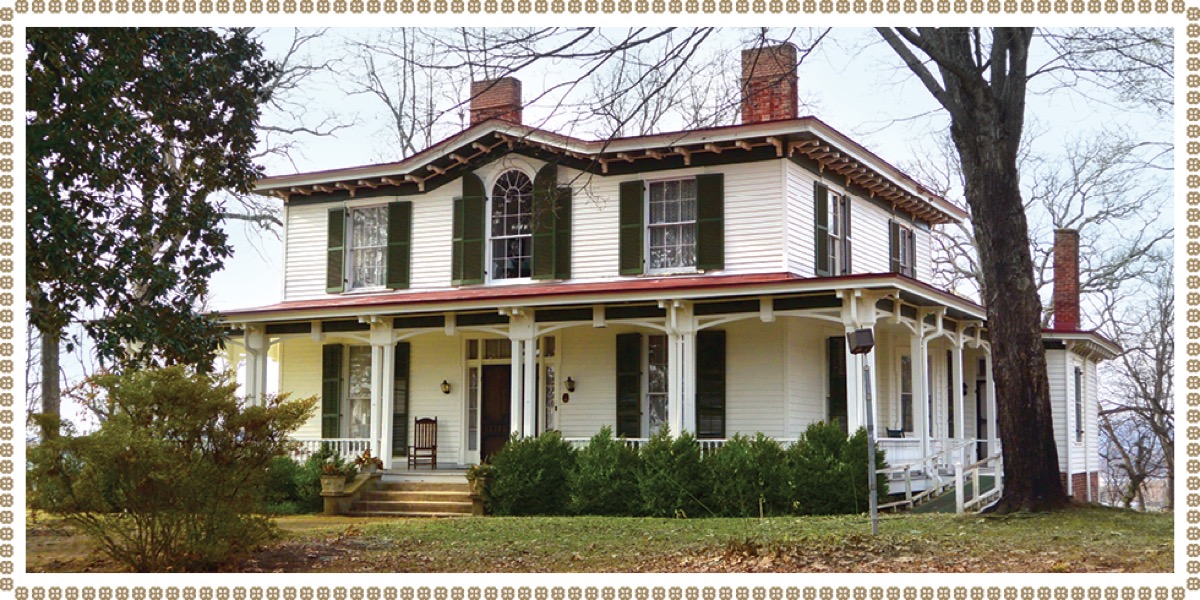
Evelyn Hazen, then in her seventies, was alone in her family's mansion on the crest of Mabry's Hill in Knoxville, Tennessee, when an old friend appeared in a chair in her bedroom. He was Jack McKnight, a man she had spent a few weeks with in New York City decades earlier, and what sat in the chair was his apparition. She talked with him. He came back for several weeks, and she sat and conversed with him each time, until she grew bored of the conversations, moved to another room, and never saw him again. She had told her friends about the visits the whole time they were happening.
Evelyn came by it honestly. Joseph Mabry built the house in 1858 and called it Pine Hill Cottage, and three generations of the family lived there, with Evelyn the last. They had been keeping company with the dead for more than a century. In 1868, her grandfather attended séances led by a Spiritualist medium named Madame Mansfield. Evelyn herself was a believer and a practitioner of several offshoots of the Spiritualist religion, carrying the habit into the twentieth century.
She was not a quiet woman. A University of Tennessee graduate, she scandalized Knoxville society in the 1930s when she sued her former fiancé, Ralph Scharringhaus, for breach of promise, a case that drew national attention. Then she outlived them all — and stayed on in the house alone.
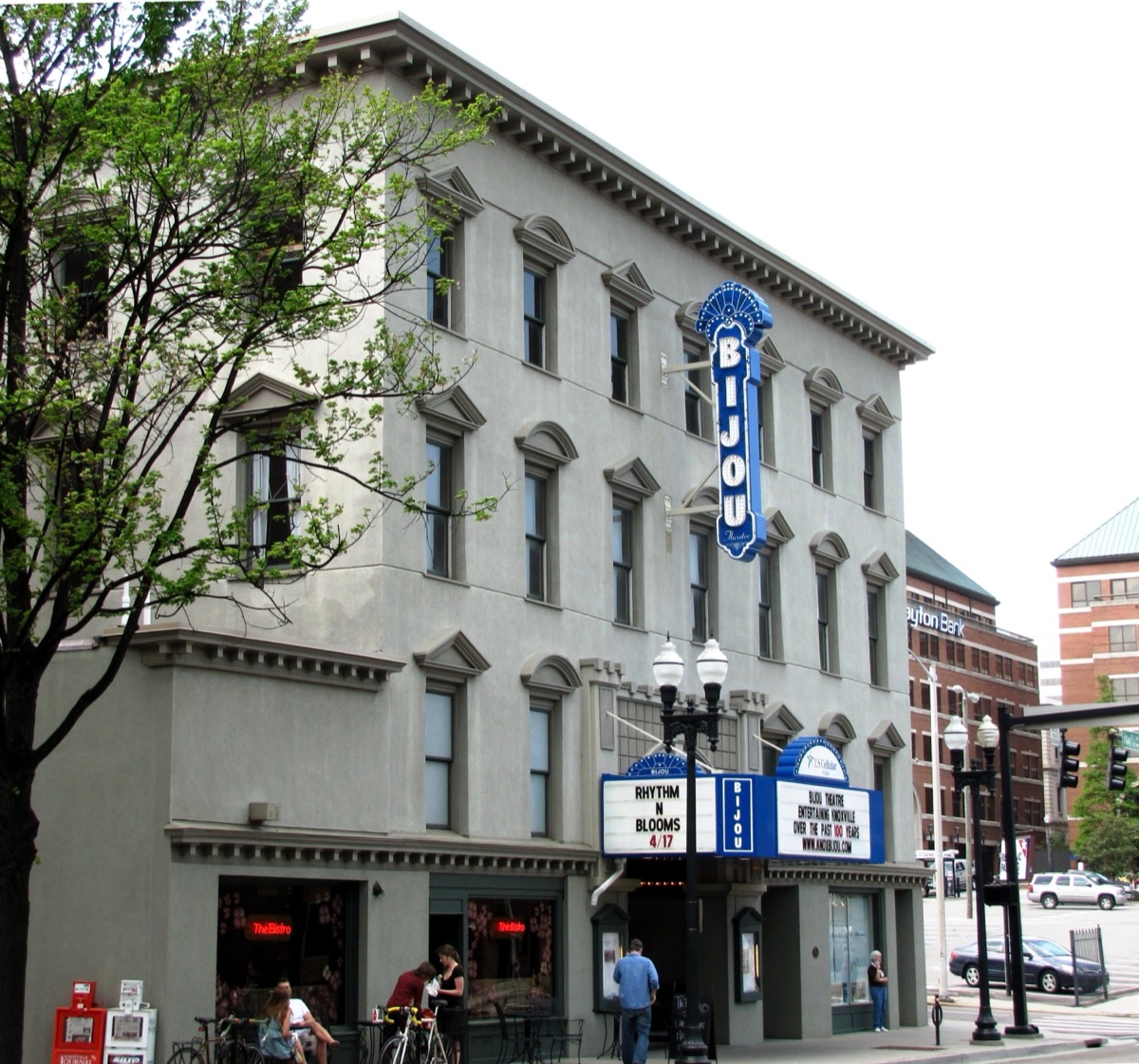
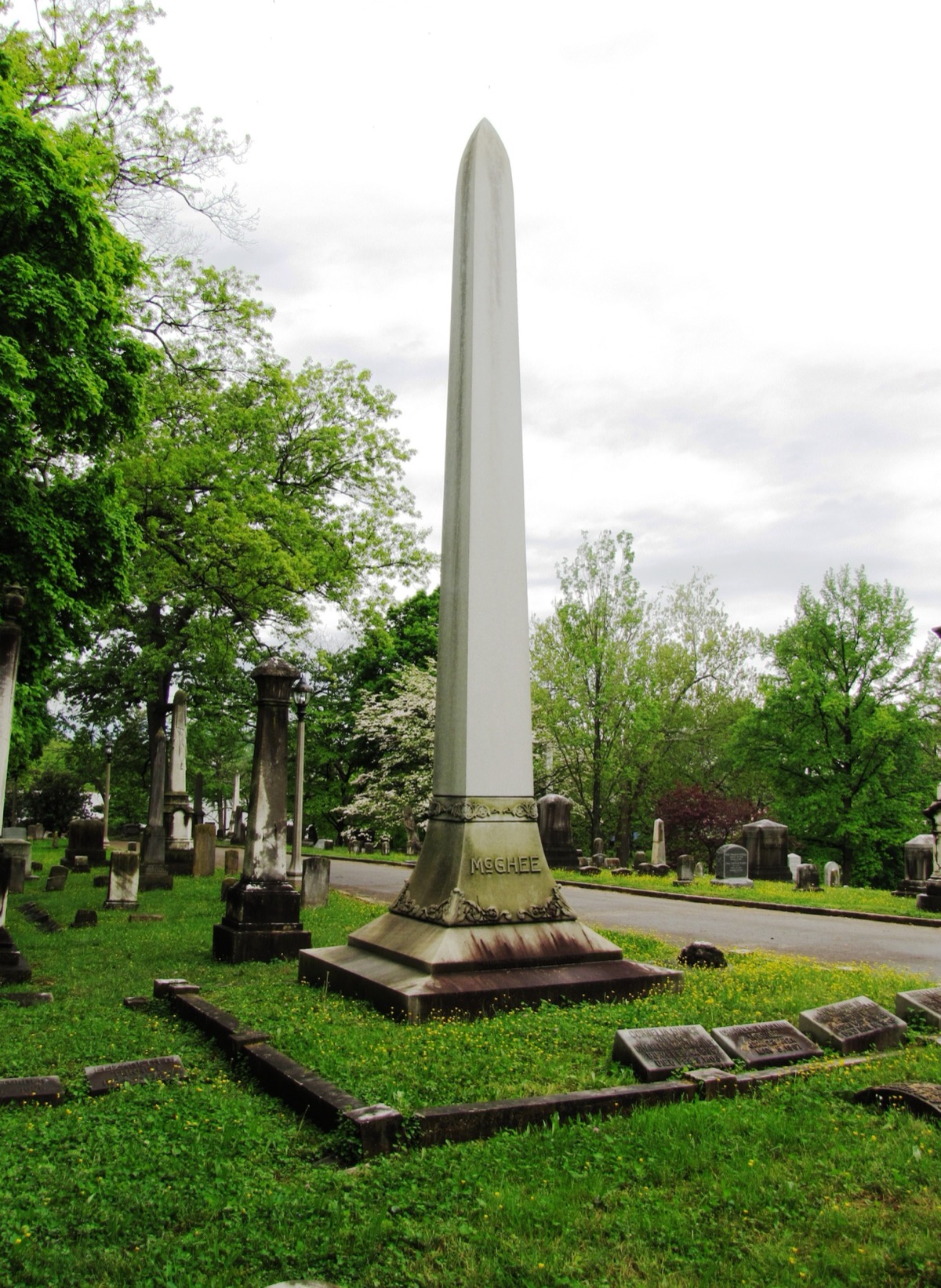
The Mabry men carried the bloodier half of the family story. On October 19, 1882, Joseph Mabry and a banker named Thomas O'Connor met in a three-way gunfight on Gay Street downtown. O'Connor shot Mabry dead. Mabry's son ran up and shot O'Connor, and O'Connor shot the son before he fell himself. Three of Knoxville's wealthiest men, all dead within about two minutes. Mark Twain wrote them into Life on the Mississippi, a footnote in Chapter 40 he used to puncture the South's romantic idea of its own chivalry. None of the men died in the house. The shooting was downtown, and the family carried it home.
Evelyn Hazen died in 1987. Her will gave the house a choice: become a museum, or be razed to the ground. It opened in 1992, and today holds more than 2,000 original family artifacts, the largest such collection in America. And every October, in the front parlors of the 1858 house, a Victorian medium sits down to reenact a séance. The family did that here first. The museum only kept it going.