Between shows at the Tennessee Theatre in Knoxville, the crew feel a sudden cold and, some say, a woman singing from the empty balcony. She has no name and no record behind her, only ghost-tour lore, in the grandest room in town with the faintest ghost.
The crew notice the cold first. Between shows, when the last patron has gone and the house lights are down over 1,645 empty seats, someone feels the temperature drop, and then a few of them say they hear a woman singing, high in the balcony where no one is sitting. The Tennessee Theatre in Knoxville has kept that voice for years, and nobody who works there can tell you her name.
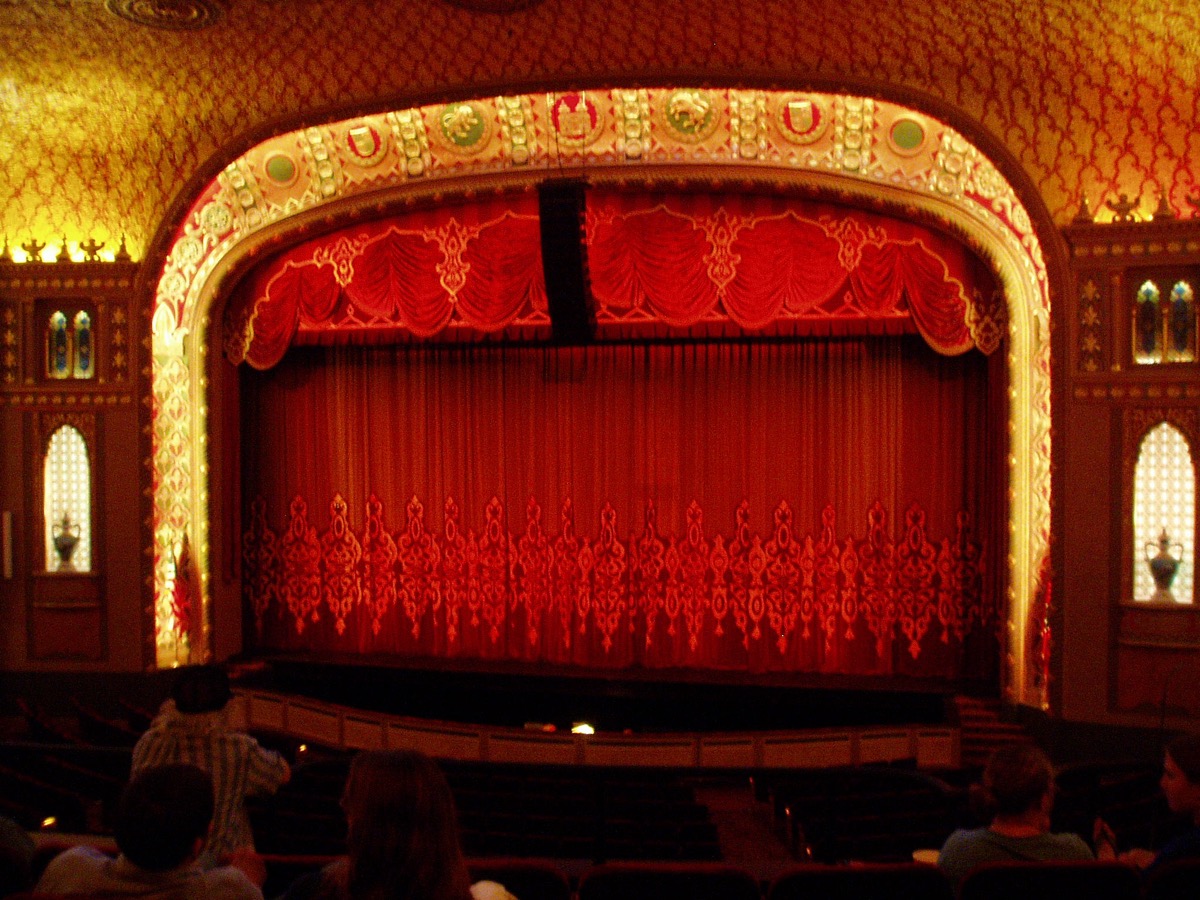
They can tell you everything else. This is the grandest room downtown, an ornate 1928 movie palace built in Spanish-Moorish style inside the old Burwell Building on Gay Street, billed when it opened as Knoxville's Grand Entertainment Palace. Czechoslovak crystal hangs in the chandeliers. The Grand Lobby floor is Italian terrazzo. A Mighty Wurlitzer went in with the walls, roughly $50,000 worth of organ, and a staff player still runs it before the doors open. For a building this thoroughly documented, down to the Chicago firm that designed it and the license line on its photographs, the ghost is the one thing about it nobody can source.
A performer sang here once and never quite left. A woman, the lore says, whose voice carries through the halls and whose encore comes unseen from the balcony while the crew feel that sudden chill. It's a good story. It's also the whole of it. Nobody ever recorded who she was, when she lived, how she died, or why the balcony kept her. The tale lives almost entirely on ghost-tour listings that pass it along in near-identical words. No reporter ever wrote the singer up, the historians who logged every fixture in the building never logged her, and the balcony has drawn no investigation at all.
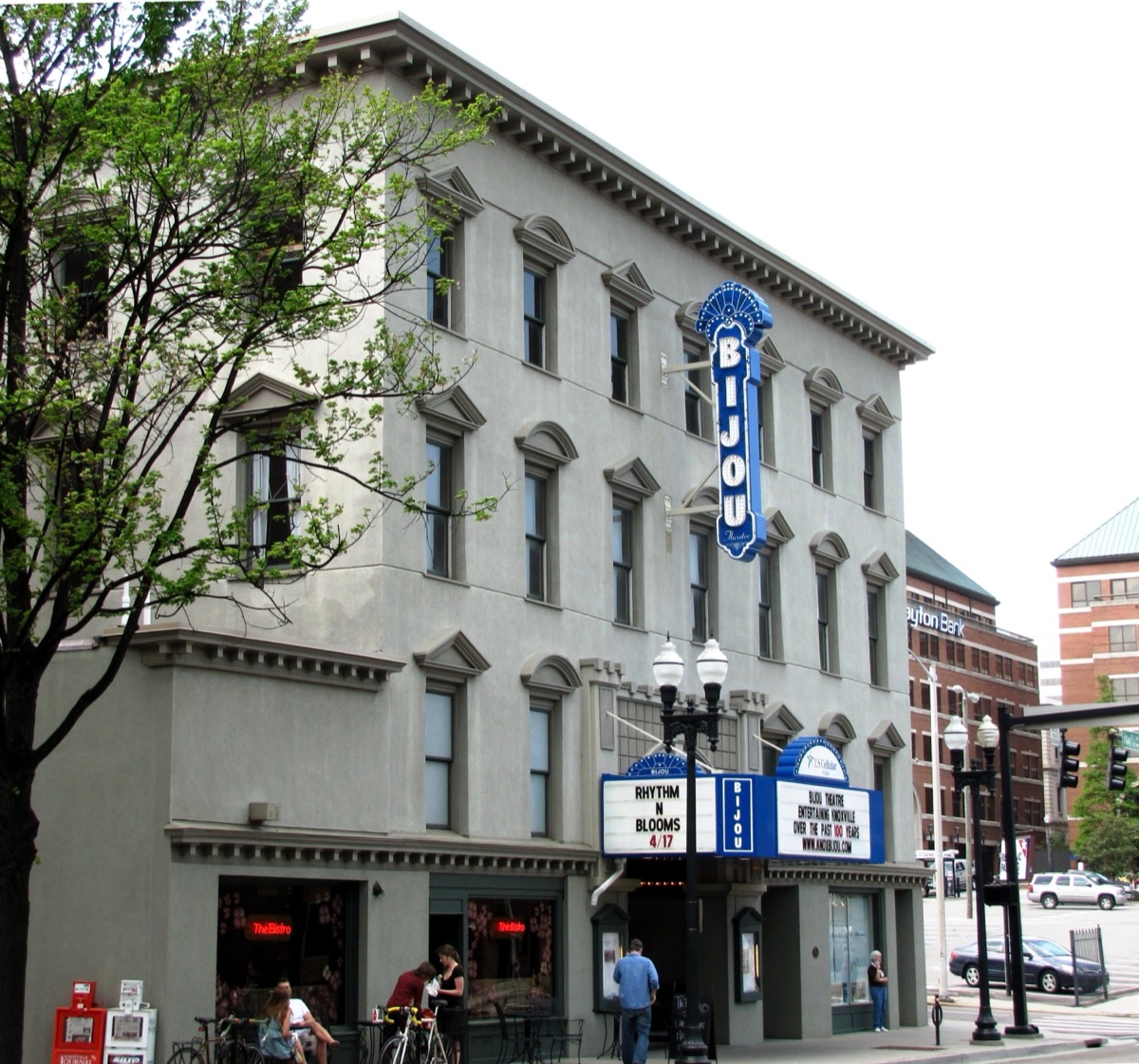
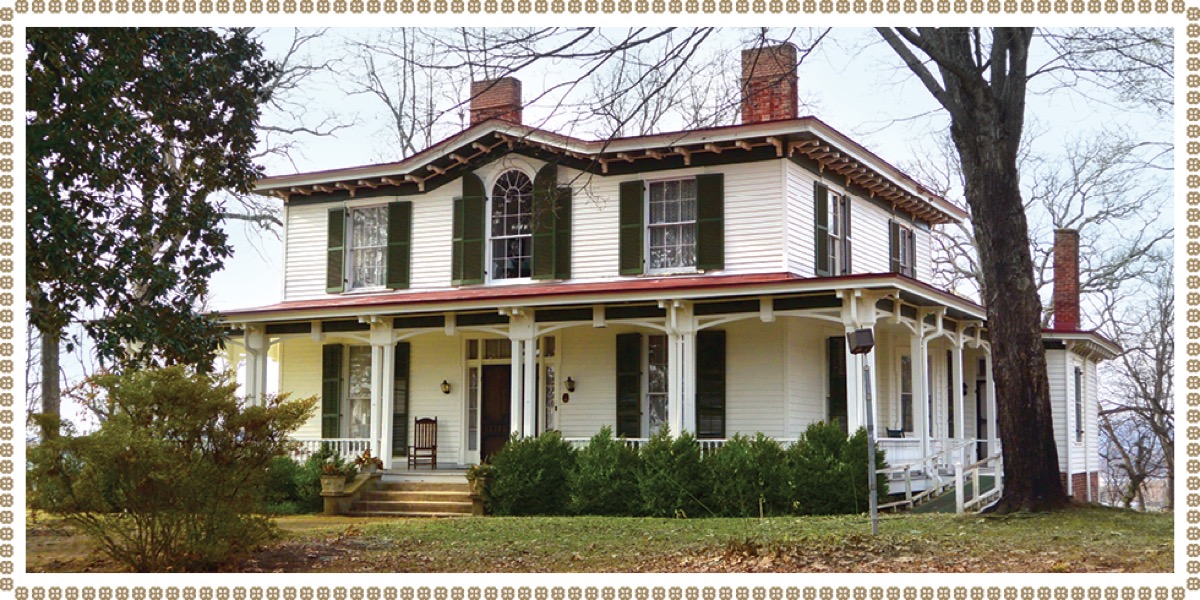
Two blocks up the same Gay Street, the Bijou Theatre has the opposite problem. Its ghost has a name and a file. General William P. Sanders, mortally wounded in the Civil War, is said to have died in the Lamar House building the Bijou grew out of, and in 2006 the East Tennessee Paranormal Research Society spent a night documenting the place. The smaller, older theater got the general, the death, and the investigation. The far more magnificent one, the official State Theatre of Tennessee, got a voice and a cold spot.
There is one sound that genuinely fills the empty auditorium, and it isn't the singer. It's the Wurlitzer, that same 1928 organ, played out over the seats before every show it accompanies. The grandest sound in the grandest room, and the only one in the building anyone can actually name.