Staff at the Hunt-Phelan Home in Memphis keep seeing a man in an old servant's uniform, gesturing like he needs to show them something. The story goes he buried the family's gold to save it from the 1873 yellow fever, then died in his quarters with mud still on his boots.
The man staff and guests keep describing at the Hunt-Phelan Home in Memphis is always doing the same thing: pointing at the ground. He wears a nineteenth-century servant's uniform, and he seems frantic, gesturing, "desperate to convey his message." Nobody has worked out what he's trying to say. The story that grew up around him thinks it knows.
In the summer of 1873, yellow fever swept through Memphis and emptied the city. The Hunt family fled with it. Before they left, they handed a longtime servant a chest of gold and asked him to bury it on the grounds until the sickness passed and they could come home. When they returned, he was dead of the fever in his quarters. His boots were caked with dried mud. A shovel lay beside him. The gold was gone, and no one has found it since.
He had done exactly what they asked. He buried it, told no one where, and the fever took him before he could finish the sentence.
In several accounts the servant is named Nathan Wilson, though the tellers don't fully agree even on that. What they do agree on is the figure on the property, seen by guests and staff in period dress, earnestly trying to show where he hid the treasure.
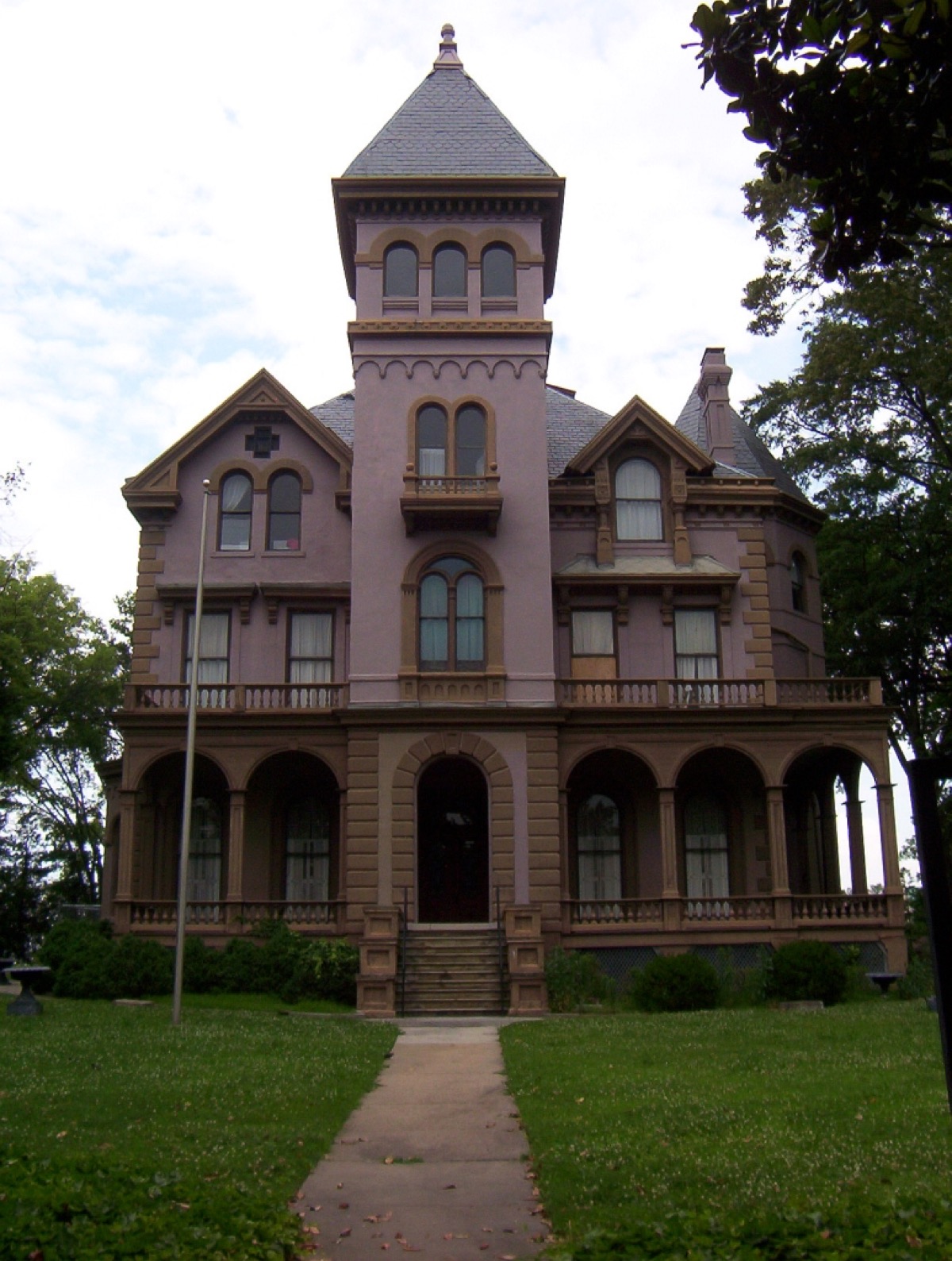
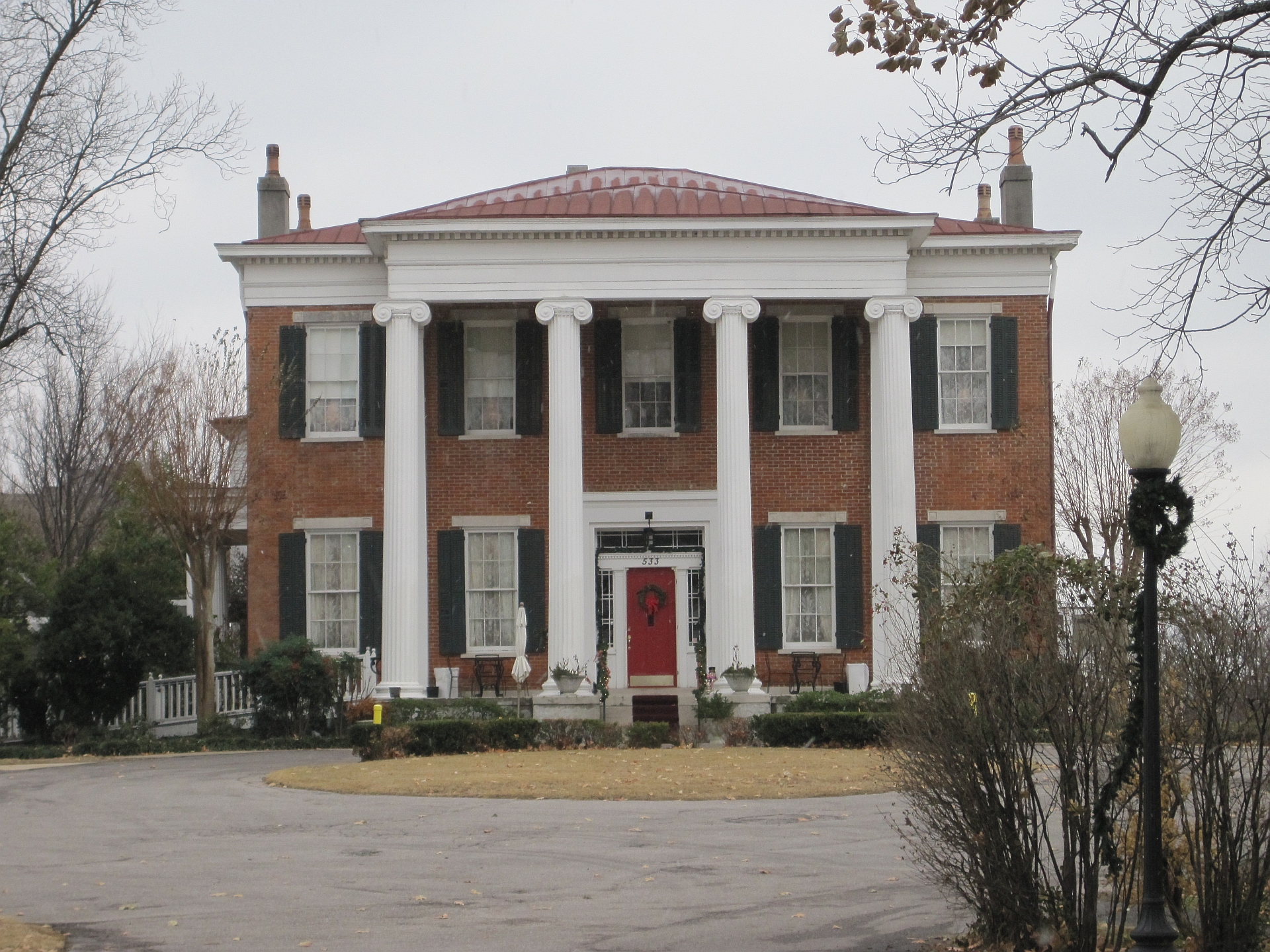
The house he haunts had already hosted men whose names nobody forgets. Built around 1830 on Beale Street, it spent the Civil War passing between the two armies. Confederate General Leonidas Polk ran his headquarters out of it and planned the Battle of Corinth from inside. When Memphis fell in 1862, the Union took the house, and Ulysses S. Grant moved in for two weeks that June and July and planned the Vicksburg campaign in the library. An escape tunnel out of the basement served both sides for relaying messages. By 1864 the grounds had become a Union hospital that treated more than 19,000 soldiers. Jefferson Davis stayed here. So did President Andrew Johnson.
The house remembers all of them. It sits on the National Register, a stop on the Memphis Heritage Trail, and the record knows exactly who slept in which room and which general planned what.
The one who never left is the one whose name the tellers can't settle. He isn't a president or a general. He's the man who was handed something valuable, buried it well enough that it's still lost, and stayed on the grounds pointing at a patch of dirt only he can find.