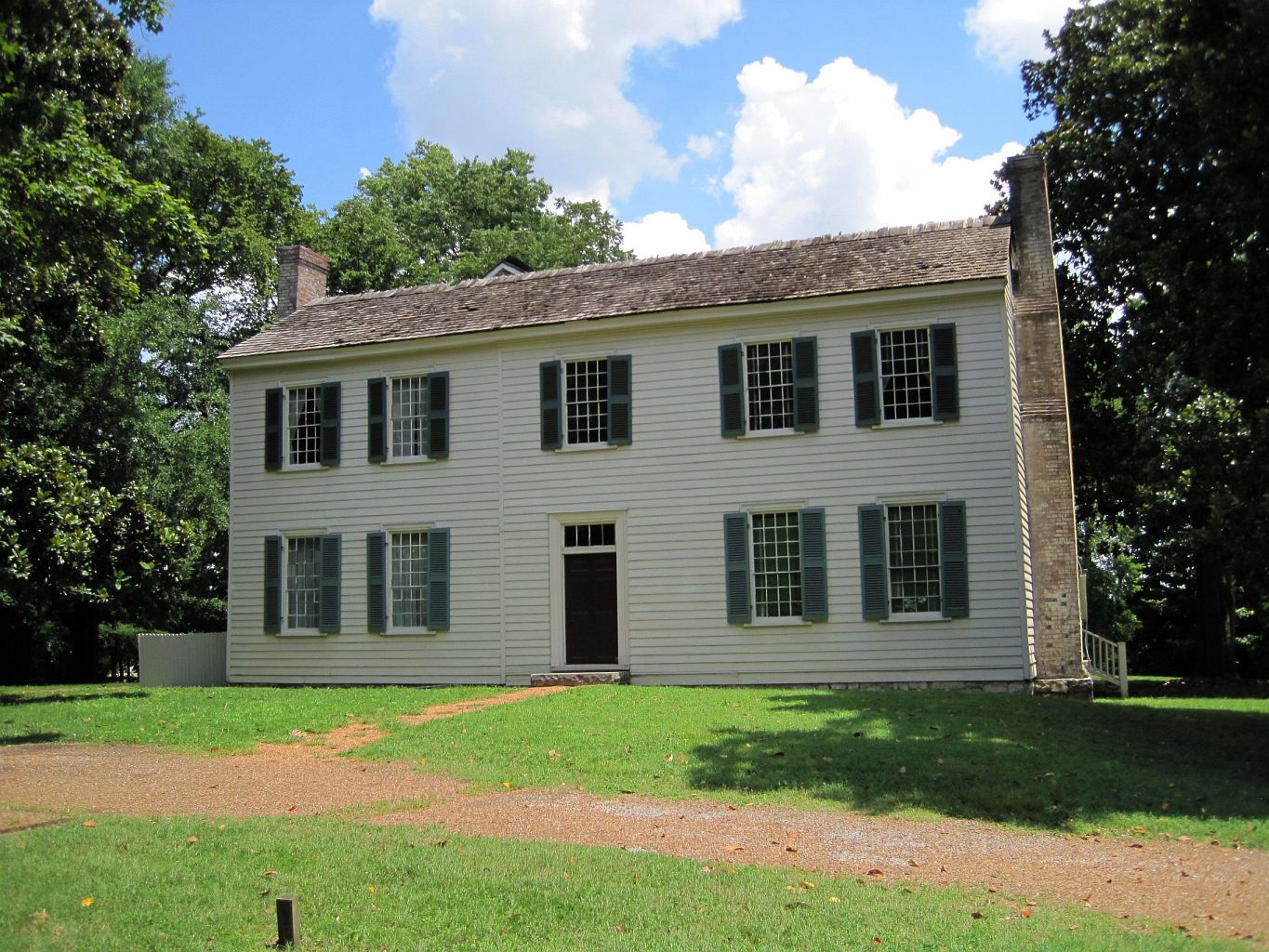
John Overton dug a cellar for his Nashville house in 1798 and pulled 35 graves out of the hill — a Mississippian burial ground centuries older than anything he built. He called the place Golgotha before softening it to Travellers Rest. The ground has never stopped surfacing its dead.
John Overton's workers were digging the cellar for his new house south of Nashville in 1798 when they started pulling up the dead. About 35 people came out of that hole — skulls first, then the stone-lined boxes they'd been buried in, packed with pottery, shell beads, and carved bone. Overton named the property Golgotha, the hill of skulls, and lived under that name a few years before softening it to Travellers Rest.
What the shovels had broken into was a town. Centuries before Overton, before Nashville itself, a Mississippian village of 200 or 300 people stood on this rise and buried its dead in the ground beneath it, sometime between about A.D. 1000 and 1400, more than 500 years before Overton turned the first shovel here. The graves have been surfacing ever since.
They kept surfacing long after him. In 1805 a houseguest described earthworks and a flat-topped mound on the property, both long since gone. Late in the 1800s the family's gardener, Edward Cross, dug up burials whose grave goods — a hooded bottle shaped like a woman, a shell disk carved with four woodpeckers — were shipped to Harvard, where the Peabody Museum holds them today. A survey crew working the grounds from 1963 to 1973 uncovered five house sites and at least a dozen more graves. As late as 1995, workers breaking ground for the visitors center dug into human remains.
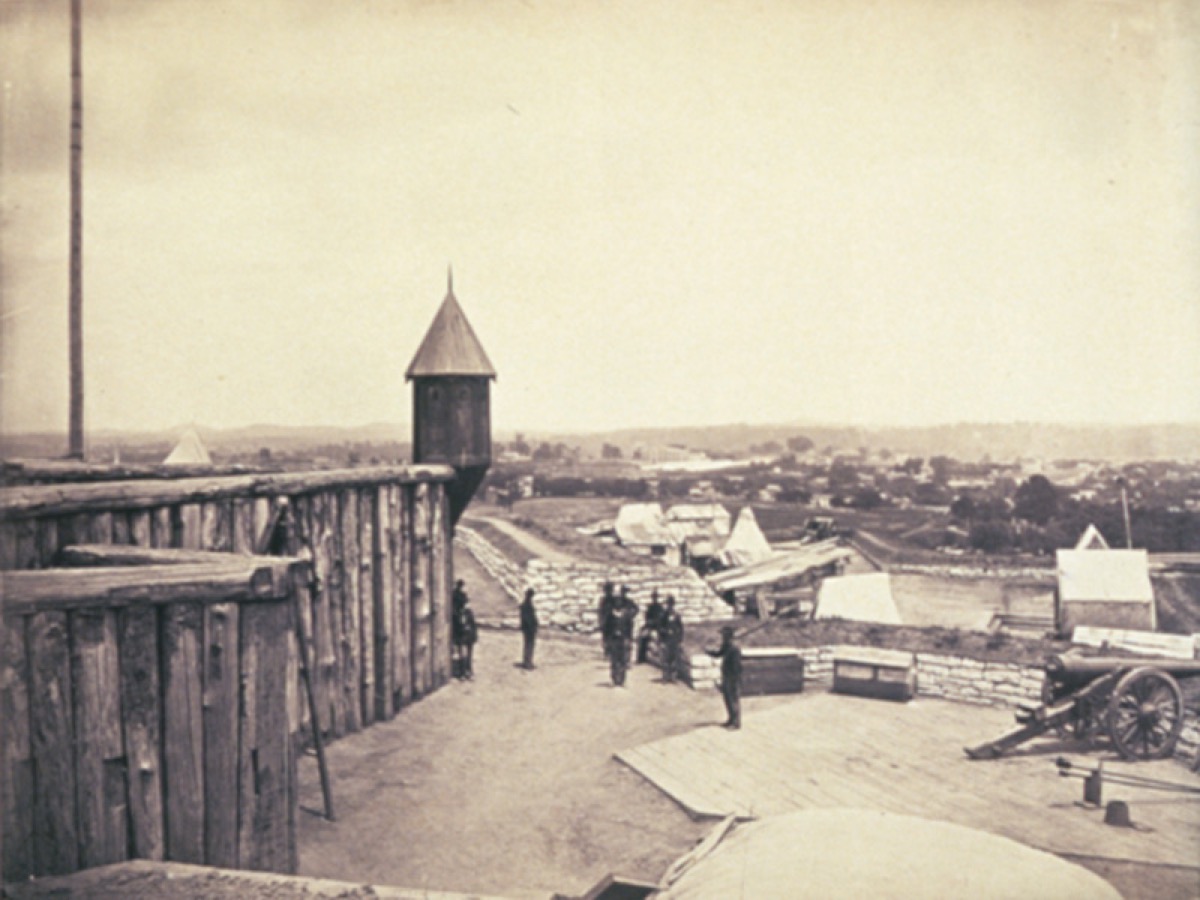
The cellar had its own second act. During the Battle of Nashville in December 1864, with a Confederate general using the house as headquarters, the Overton women and children sheltered down in it — the same pit that had been emptied of graves 66 years earlier.
Whatever haunts the place is faceless and unnamed. You can't tie it to any one ghost or fix it to a dated sighting, and no investigator ever came to set one down. What there is comes from a single ghost-history account, and it's stranger for being so diffuse: the strange things, it says, happen not only at the house but across the whole neighborhood later built over the old Overton estate — the streets and yards laid down on the rest of the burial ground the cellar only started. The stories there aren't written down so much as passed along, firsthand, by the people who live on it.
Overton traded Golgotha for Travellers Rest, the name a circuit judge gave the house where he finally rested after long days in the saddle. The 200 or 300 people underneath had been resting there five centuries before he thought to name it.