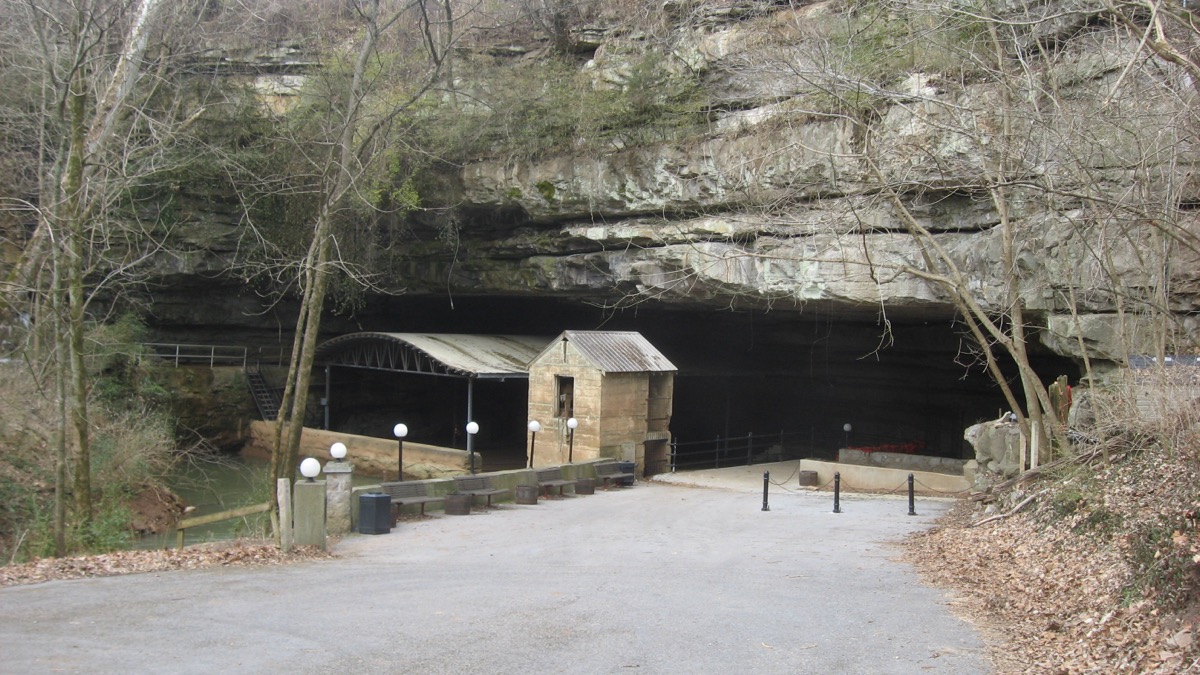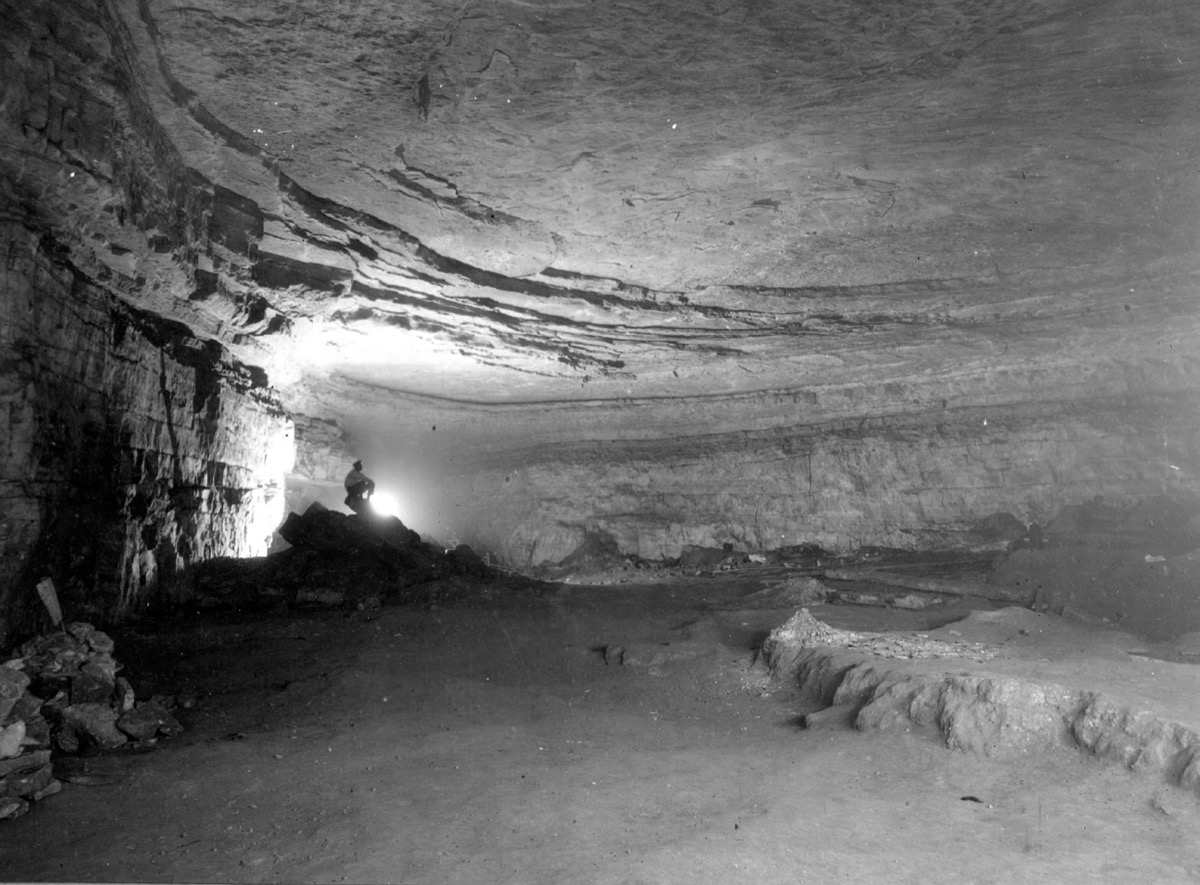
A mile and a half inside Mammoth Cave, Kentucky, two stone huts still stand in the dark. A doctor built them in 1842 to cure tuberculosis with cave air. Five patients died there instead, on a ledge guides still call Corpse Rock.
A mile and a half inside Mammoth Cave in Kentucky, in the dark, two small stone huts still stand. Lantern tours pass them. They were built to be a hospital, and they killed almost everyone the doctor sent there to be saved.
In 1842, a Louisville physician named Dr. John Croghan was sure the cave could cure tuberculosis. He had bought the place three years earlier for $10,000, convinced the steady 54-degree air and unchanging humidity would do what nothing on the surface could. That autumn he invited consumptive patients underground. About 15 moved in, into two stone cabins and eight wooden huts that enslaved laborers had built a mile and a half from the entrance.
The cure was the opposite of one. The air was damp and unmoving, and the smoke from cooking and warming fires had nowhere to go, so it pooled in the chambers and settled into already-failing lungs. The patients got worse. A server who worked down there described them plainly to the Park Service: "There were fifteen of them and they looked more like a company of skeletons than anything else."
Five of them died in the cave. Their bodies were laid out on a ledge before being carried up to daylight, and the guides still call that spot Corpse Rock. The experiment lasted one winter. Croghan shut it down in early 1843, and in 1849 he died of the same disease he had tried to outrun underground.
The huts outlasted everyone. Two of the stone cabins are still down there, passed in lantern light by visitors who mostly do not know what they were for.
The dead who died of the cure were not the only ones the cave kept. Stephen Bishop, an enslaved man brought to Mammoth in 1838 to guide, was the first to cross its Bottomless Pit and opened miles of passage no one had reached. He drew a map of the system entirely from memory that stayed the authoritative chart for over four decades. When he died in 1857, he was buried in the Old Guide's Cemetery above the cave, in ground Croghan had first set aside for the patients who never came back up. Some say Bishop is still seen near the visitor center, in a white vest and a Panama hat.
Some accounts go further still. Guides say a new employee once heard coughing in the dark where no one was standing. On a cave with five corpses laid out on a single rock, the unsettling part is not whether something would cough down there. It is which of them did.