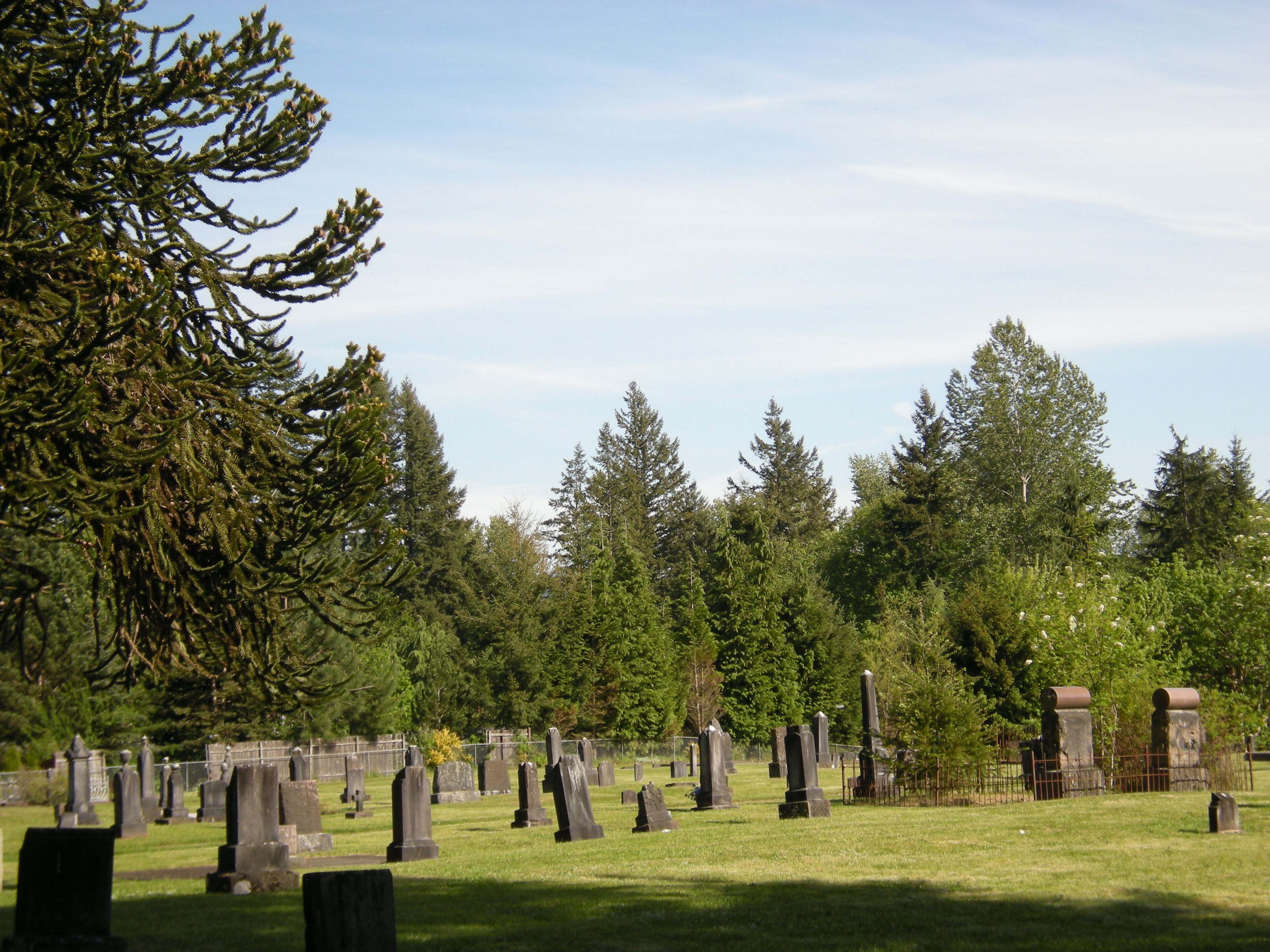
Black Diamond Cemetery in Washington holds ten of the sixteen men killed in the 1910 Lawson Mine explosion, eight of them under a single stone. Visitors report swinging lanterns, whistling in the rows, and a riderless white horse moving between the graves.
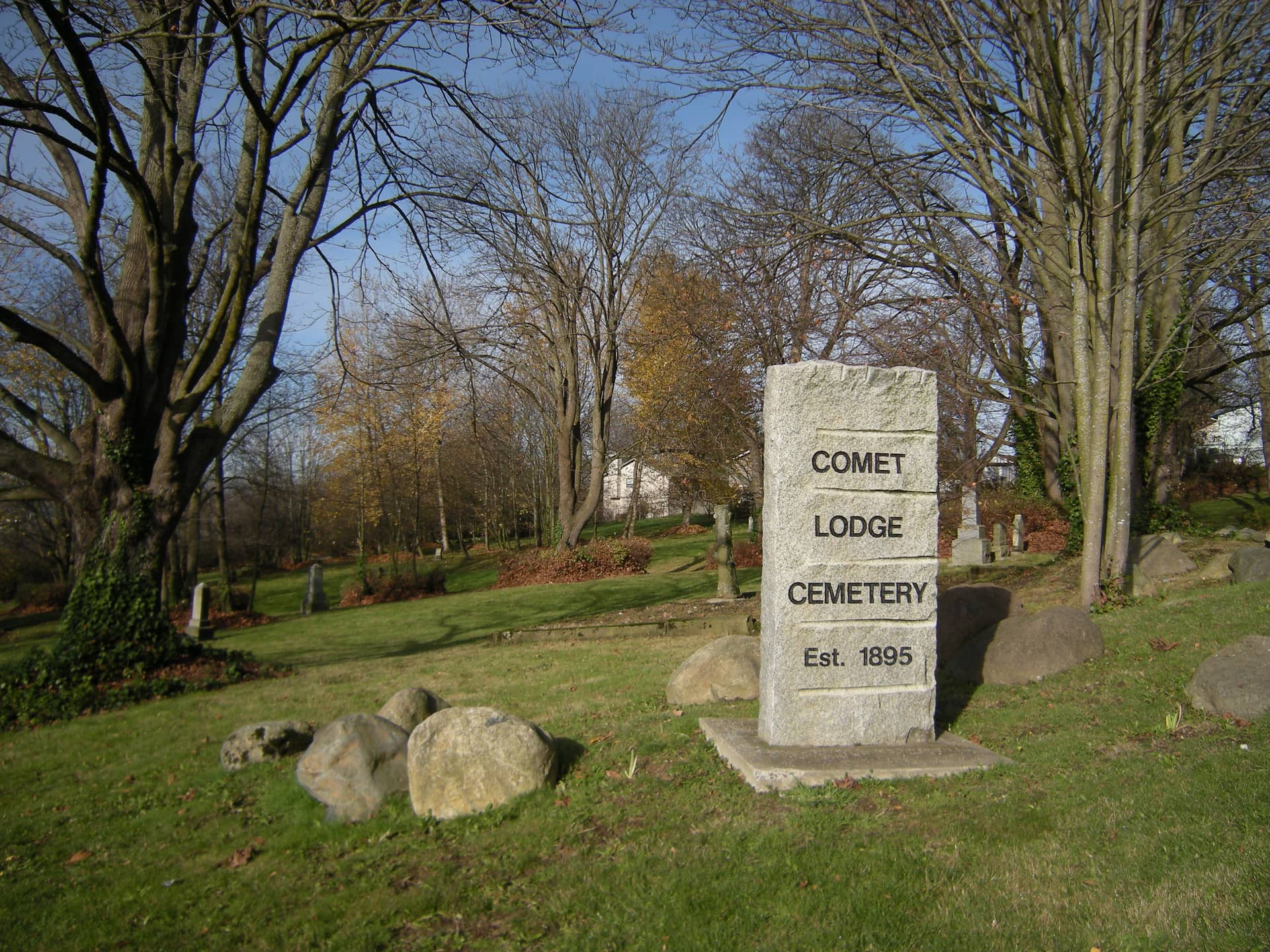
Black Diamond Cemetery sits on a hillside above the old coal town of Black Diamond, Washington, and what people report seeing up there is light. Lanterns, low and swinging between the headstones on foggy nights. Whistling comes out of the rows too, when there is nobody else on the grounds. And a riderless white horse threads in and out of the stones, described sometimes as solid, sometimes as barely there at all.
The coal company laid the ground out in 1884 and took a cemetery fee out of every miner's paycheck to keep it up. It got its use. More than 1,200 graves cover the hillside now, cut with Welsh, Italian, Finnish and Austrian names, and among them a run of children's markers from the smallpox and influenza years.
At about 6:40 on the morning of Sunday, November 6, 1910, an explosion completely wrecked the Lawson Mine at the edge of town. Sixteen men died, every one of them foreign-born. Rescue crews drove a cross-cut 281 feet through rock to reach the bodies, and brought out eleven.
A week later the town buried eight of those men in one grave. The caskets came down from St. Barbara's church on Lawson Hill carried by fellow miners, and the historical society's account of the funeral puts 1,500 people on the hillside that day. The eight share a single plot and a single stone, and the city's burial index copies only three names off it.
So the lore up there is a miners' lore. In a first-person account published in 2017, a visitor writing under the name Tony described whistling across an otherwise silent night, then five small flickering lights that appeared and moved together, in step, as though people were carrying them, for about five minutes. Afterward he heard a horse walking down Cemetery Road, and there was no horse.
In October 2020, a team from Cascadia Paranormal Investigations spent their first hour on the grounds hunting the ordinary explanation, and found a candidate for every piece of it. Electric candles left glowing beside graves. Pinwheels staked at headstones, which whistle and mutter in wind. A plateau full of people who keep horses. Then they worked the cemetery into the night and heard no whistling and saw no lights at all.
Five of the sixteen never came out of the mine. Julius Persyn, Fred Setti, Cezar Bael, Oscar Bael and Girili Maes stayed where the blast left them, because the rescue parties could get no deeper than the third level. The bottom of the slope was never examined, and the cause was never determined. Ten of the Lawson dead lie on that hillside under their stones. The other five are still inside the hill, in a mine nobody ever went to the bottom of.