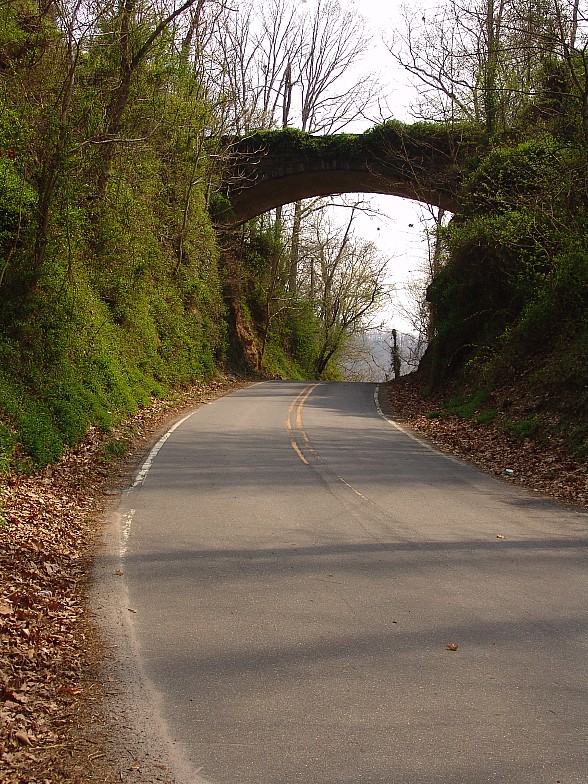
At Helen's Bridge in Asheville, North Carolina, you park under the old stone arch, call Helen's name three times, and try to leave. The signature isn't an apparition. It's the dead battery, the car that won't turn over when you go.
Helen's Bridge in Asheville, North Carolina has a rule, and the punishment for testing it is small and specific. Park under the old stone arch on Beaucatcher Mountain after dark, call Helen's name three times, and your car won't start when you try to leave. Teenagers have been driving up to test it since at least mid-century, and the dead-battery stories repeat often enough that they've become the bridge's signature. One recorded version of the ritual has you shouting "Helen, come forth!" three times from beneath the span. Drivers have reported flickering headlights, mechanical failures, and a woman in white near the arch.
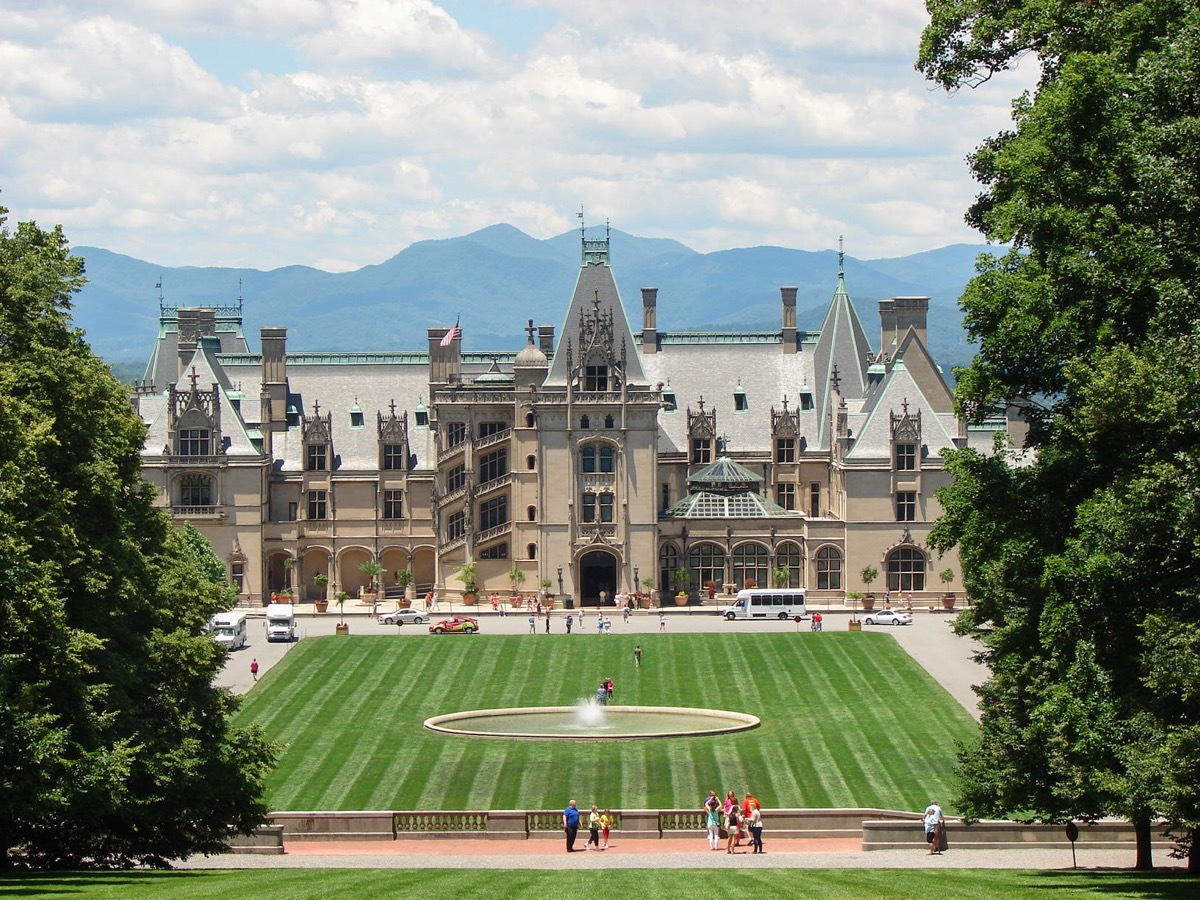
The story behind it goes like this. A woman named Helen lived at or near the mansion on the mountain. Her daughter died in a fire, and the grief-stricken Helen hanged herself from the bridge. In some tellings she walks the road above or below the span, searching, asking drivers if they've seen her little girl. The same Helen-and-fire story attaches to another spot in Buncombe County too, a cabin near Royal Pines where, by that version, mother and daughter burn together. The legend floats. It lands wherever there's a quiet place to tell it.
There is no Helen. Reporters and local historians went looking and found nothing to document her: no death notice, no fire at the mansion that killed a child, no record of a suicide on the span. Some accounts can't even agree on when she's supposed to have died, placing it in the 1930s or simply "almost a century ago," with no record to fix the year. The absence is the finding.
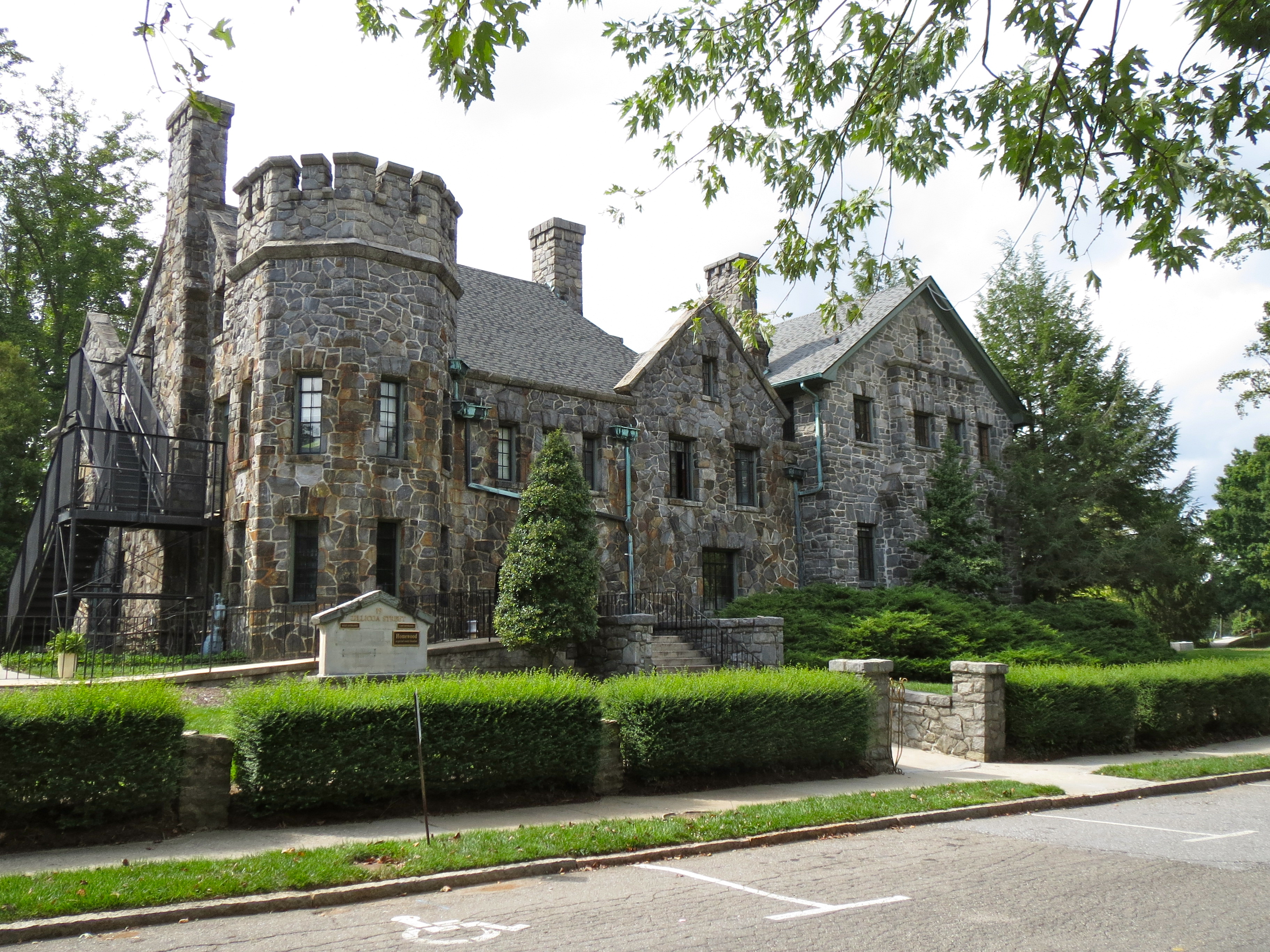
The bridge itself was never meant to frighten anyone. It's a single quarried-stone arch built in 1909 to carry carriages up Beaucatcher Mountain to Zealandia, a Tudor-style castle begun by a man who made his fortune in New Zealand and bought in 1904 by Sir Philip S. Henry, who commissioned the bridge. Its architect was Richard Sharp Smith, the field architect for the Biltmore Estate. It was called Zealandia Bridge then, plain estate infrastructure.
The bridge had a literary life before it had a ghost. Thomas Wolfe, the Asheville native, put it in his 1929 novel *Look Homeward, Angel*: his character walks beneath "Philip Roseberry's great arched bridge" and shouts under the arch, his voice bounding against the stone "like a stone." The shouting came first. The name Helen attached itself later, to a vine-covered span and a woman no record can find, and stuck where the real name never did.