Staff and guests at the Glen Ferris Inn in West Virginia keep meeting a bearded man they call the Colonel, usually visible only from the waist up. They take him for a Confederate officer. The only army the record puts in that house wore blue.
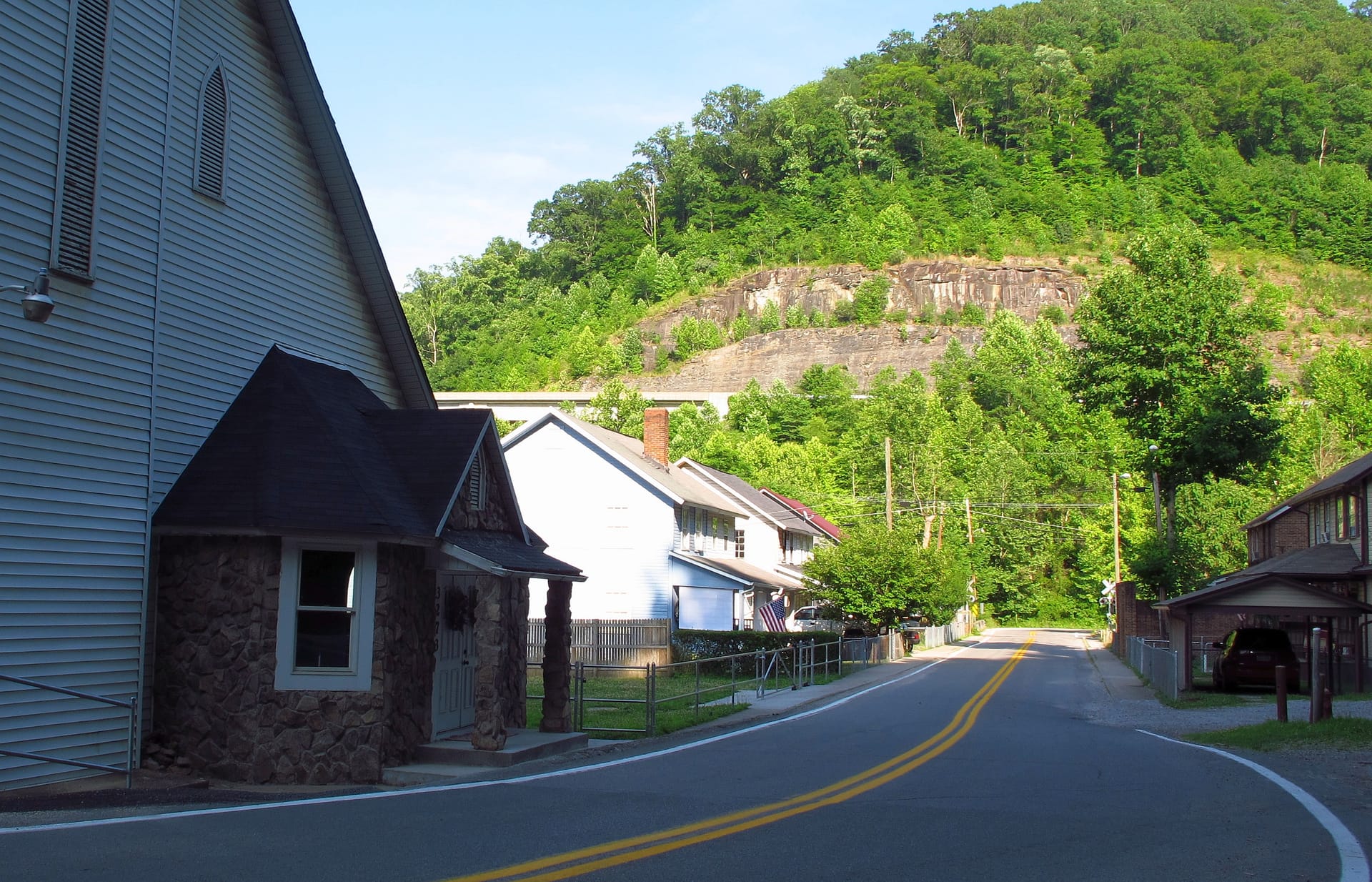
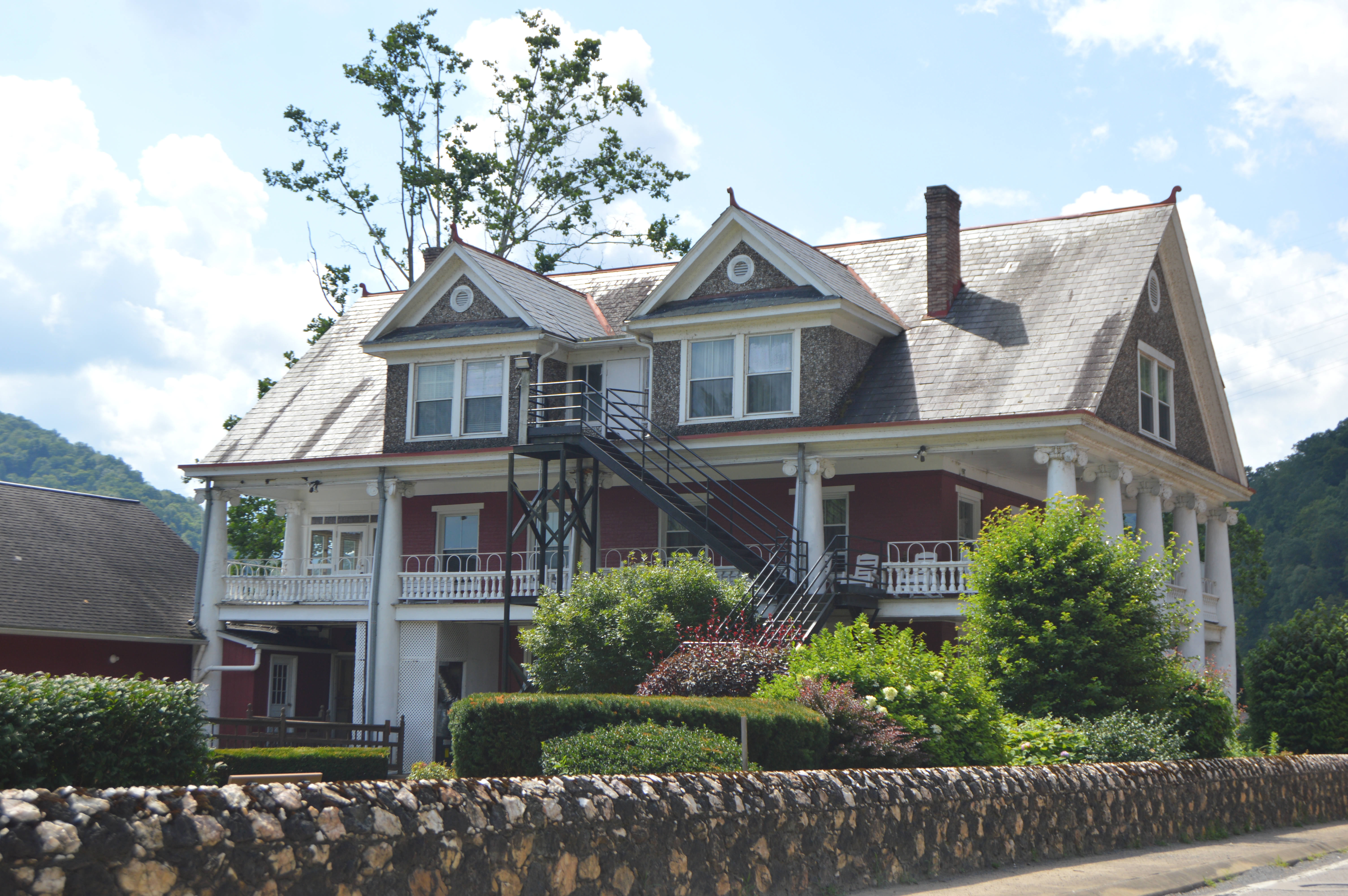
Staff and guests at the Glen Ferris Inn, on the Kanawha River in Glen Ferris, West Virginia, keep meeting a man with a long white beard. They call him the Colonel, and most people who see him see only the top half of him. The apparition is described from the waist up.
In 2018 a guest's wife reported him sitting in the chair beside her bed, bearded, wearing a hat. He stood, walked toward the door, and vanished. Theresa's Haunted History of the Tri-State collected the account, and a commenter on the same post said the innkeeper identified the room as 102.
By every telling he is a mild ghost. HauntedPlaces.org describes "a friendly and playful ghost, known to close doors behind people, make the birdbath water bubbly and frothy, and walk around with audible footsteps." West Virginia Haunted Houses calls him harmless and polite. The footsteps come late at night, up and down the hallway outside the inn's original kitchen, which is also where he turns up most often. And the birdbath really is part of the story. Theresa's Haunted History records the water frothing and sloshing around in a frenzy on a clear, calm day, with nothing else on the property moving.
The building has been taking in travelers since before anyone bothered to write down when it went up. The National Register nomination states flatly that no documentation proves a construction date, and the 1815 everyone repeats rests on a single 1915 newspaper story about two Irishmen. The deed is firmer. In 1817 Aaron Stockton bought the Falls Tract, at the point where the Kanawha first becomes navigable, and in 1839 he paid $20.00 for a tavern license that let him serve liquor to his guests. The turnpike had already opened past his door. Stagecoaches stopped. So did Andrew Jackson, John Tyler, Henry Clay, and John James Audubon.
The Colonel has company. Theresa's Haunted History keeps the rest of the roster: a little girl's voice saying "hello, there!", and the lobby chess set heard being played in an empty room. The same blog has a waitress named Lora Heltne taking an order in 2002 from a child in a grey Civil War-era suit: "chocolate milk, ma'am." Then no child.
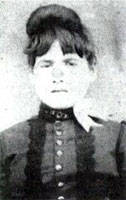
Which leaves the question of who the Colonel is. The costume says Confederate officer. But Theresa's Haunted History raises another candidate, noting that "Colonel" was a common honorific for the men who kept taverns and ordinaries, and describing Aaron Stockton in his last years as a portly man with a long white beard, a slaveholder and a Confederate sympathizer, dead in 1869.
No name, no unit, and no death record exists for any Confederate officer at Glen Ferris. The only army the record puts inside that house is the other one. From July to December 1861 it served as the U.S. Army quartermaster's depot, and a Confederate captain scouting it that August counted some thirty tents on the lawn at Aaron Stockton's house.