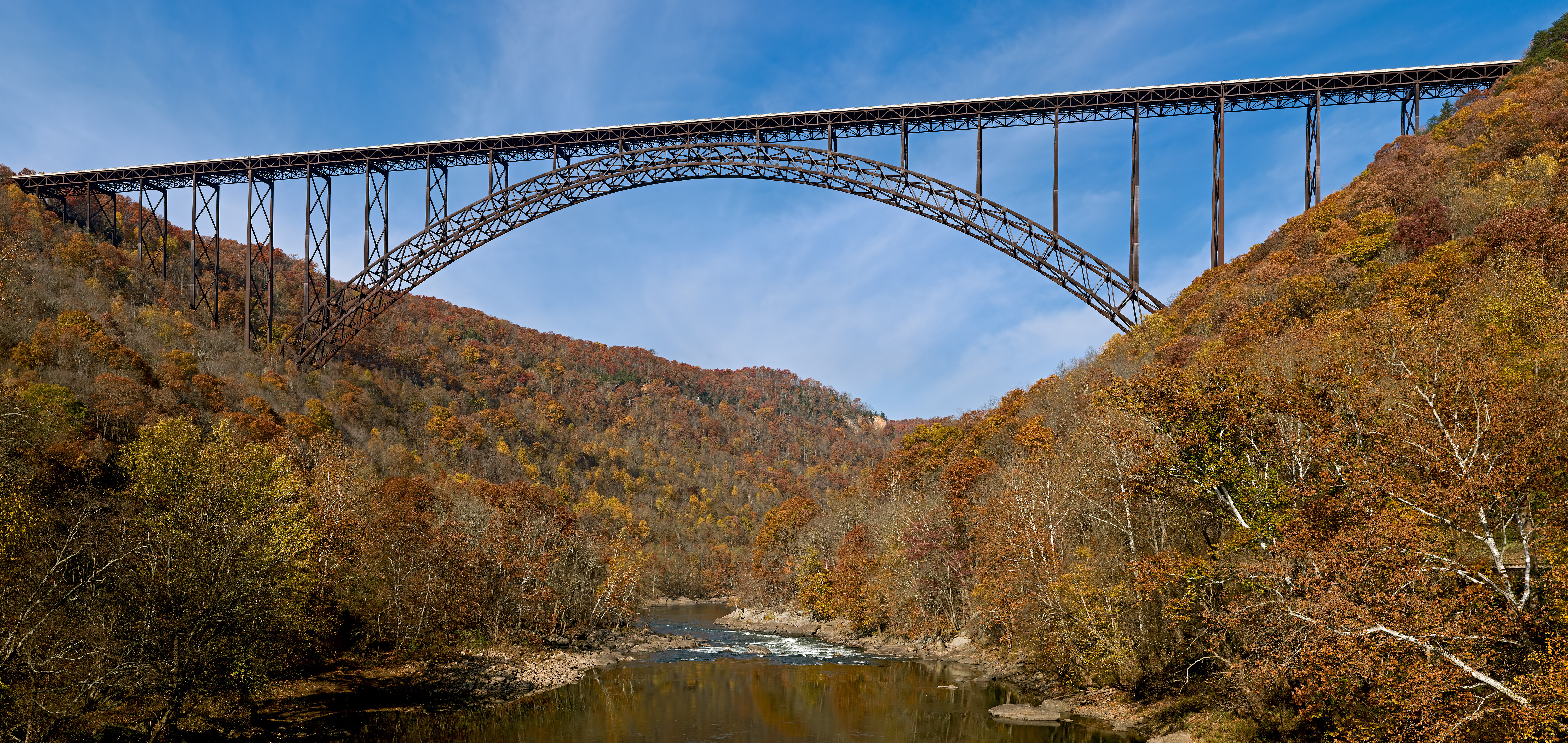
The New River Gorge Bridge, 876 feet above the river near Fayetteville, has seen at least 21 suicides and four BASE jumping deaths since opening in 1977. The gorge below it holds abandoned mining towns with active ghost sightings, the Hawks Nest Tunnel disaster site where up to 1,000 workers died, and legends of phantom miners, a headless conductor, and a lady in white.
Governor Arch Moore asked his highways commissioner a simple question before construction began in 1974: how many men would die building the New River Gorge Bridge? The commissioner estimated 13 to 18. The actual count came in at three or four, depending on who you ask. One man died when a falling piece of steel catapulted workers off a concrete pedestal form. The others fell 876 feet to the river below.
The bridge opened on October 22, 1977, spanning 3,030 feet across the gorge near Fayetteville. It cost $37 million. U.S. Steel's American Bridge Division built it from COR-TEN steel that oxidizes over time, giving the structure its dark russet color. For a few years, it was the longest single-arch bridge in the Western Hemisphere. Then the deaths shifted from construction to something else entirely.
At least 21 people have jumped from the bridge by choice since it opened. No barriers. No nets. Just a waist-high concrete wall between a person and an 876-foot drop into the New River. Suicide prevention advocates have pushed for barriers for decades, pointing to evidence from other bridges (Toronto's Prince Edward Viaduct saw suicides drop by half after installing a $3.5 million barrier in 2003). West Virginia introduced a feasibility study bill as recently as 2025. The bridge remains unchanged.
Bridge Day, held the third Saturday every October, adds another layer. BASE jumpers leap from the deck while thousands watch. Four have died doing it. Michael Glenn Williams of Birmingham, Alabama, drowned in 1983 after a successful jump when his gear caught the current. Steve Gyrsting's pilot chute failed on his third jump of the day in 1987. Brian Lee Schubert hit the water in 2006 at age 66. Schubert was a legend in the sport. In 1966, he and a friend became the first people to ever jump from El Capitan in Yosemite. Forty years of experience didn't save him. Rick Stanley died in 1986 during an illegal off-season jump, pulled under by rapids locals call "the Zipper."
The bridge sits at the center of a gorge that has been accumulating violent history for over a century. A few miles away, the Hawks Nest Tunnel project killed an estimated 750 to 1,000 workers in the early 1930s, most of them Black men recruited during the Great Depression. Union Carbide needed a hydroelectric tunnel through Gauley Mountain. The mountain turned out to be nearly pure silica. Workers got no protective equipment and were told their lung disease was "tunnelitis." It remains one of the worst industrial disasters in American history.
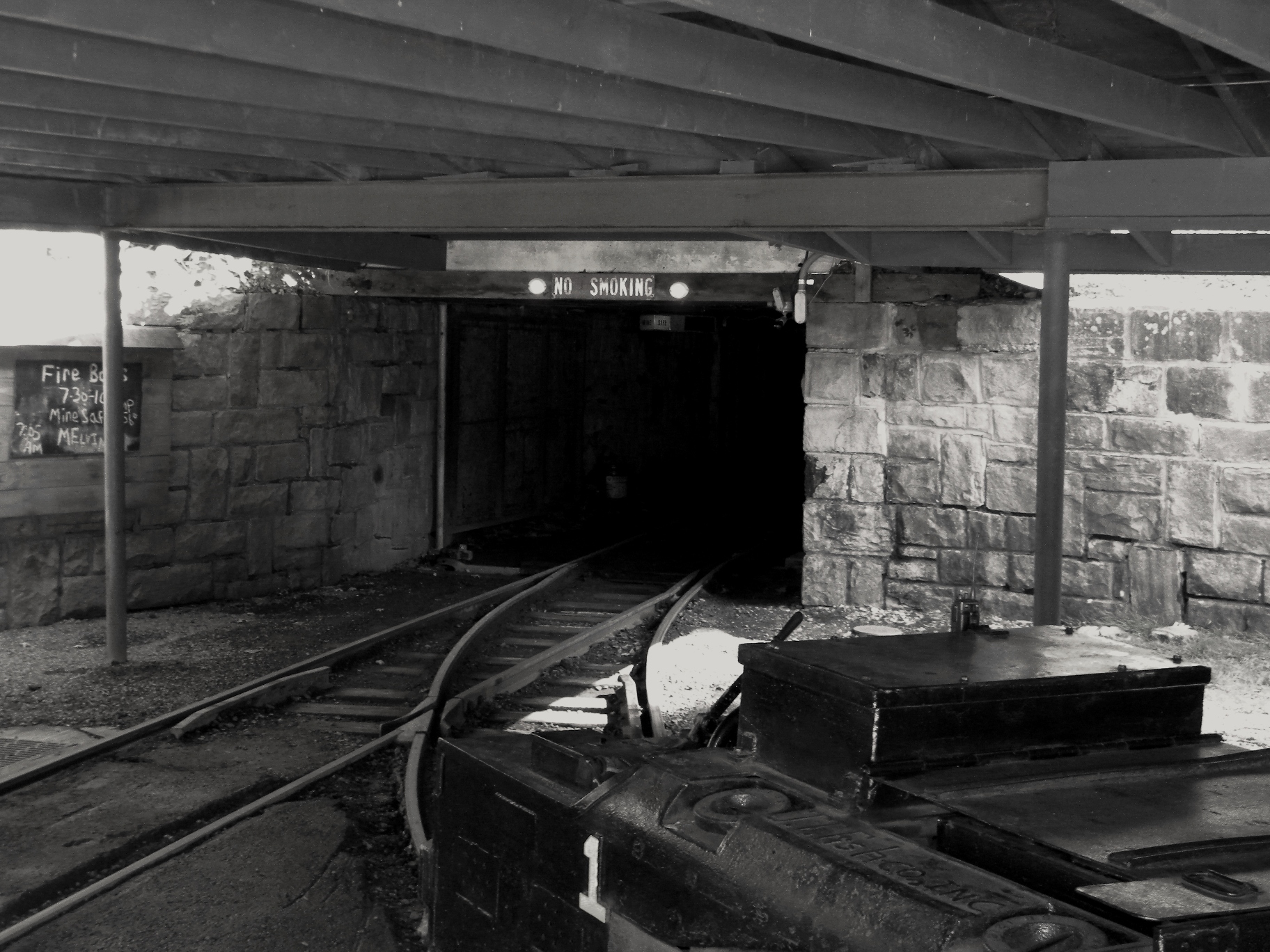
The ghost stories concentrate in the gorge's abandoned mining towns rather than on the bridge deck. Thurmond, once so wild that a local preacher said "the only difference between Thurmond and hell is that a river runs through Thurmond," is now a ghost town where visitors report full-body figures in the empty streets, the sensation of being touched, and (strangest of all) entities that follow people to their cars. A ghostly steam engine reportedly travels the old C&O tracks. At Nuttallburg, people hear a phantom miner pushing his cart down rails that haven't carried coal in decades.
The Whipple Company Store, a former mining company store that later served as a funeral home (coffins are reportedly still in the basement), has produced the most tangible evidence. Former owner Joy Lynn documented occurrences over a ten-year span: objects moving on their own, doors opening and closing, phantom smoke, and bloodstains that appeared on the floor and then vanished. Shadow figures have been captured on video inside the building.
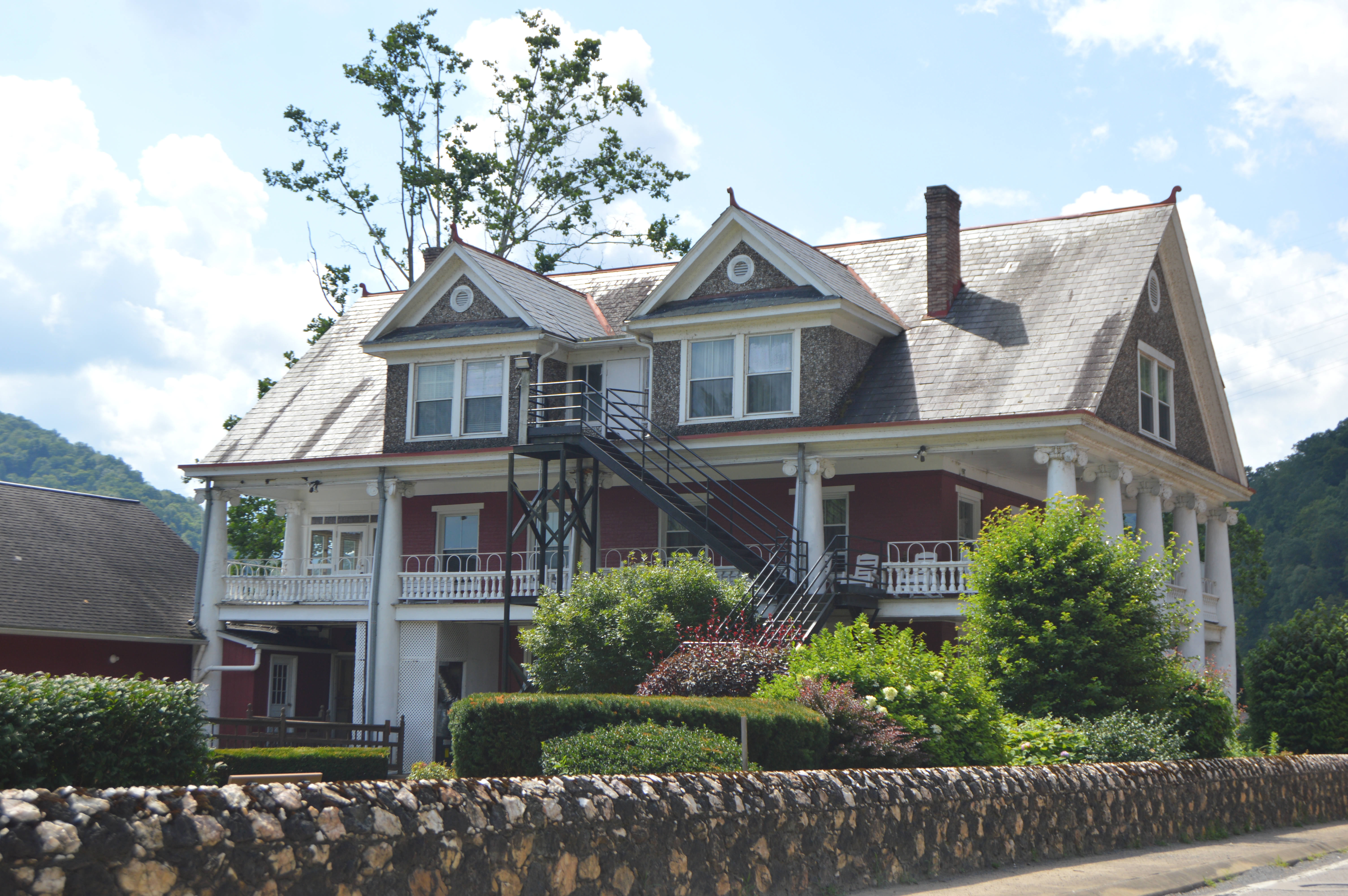
Further down the gorge, the legend of the Lady in White places a woman in a flowing dress along the riverbank, searching for a lost love. The Headless Conductor, a railroad worker decapitated while saving passengers from a collision, carries a lantern along abandoned tracks. At Glen Ferris Inn, a friendly ghost called "The Colonel" has been seen floating through the halls in a Confederate uniform with no legs or feet visible below him. Babcock State Park's Cabin 13 is tied to a murder: a man claimed he and his wife were attacked, but evidence pointed to him as the killer. Guests have seen a woman in a nightgown peering through the window, and her sobs echo from inside the empty cabin.
The bridge is the most visible landmark in all of this, a 3,030-foot steel arch stamped against the sky above a landscape defined by industrial death, mining violence, and a century of accumulated grief. The gorge below has produced enough tragedy to fill any number of ghost stories. The bridge just made it easy to see from the highway.