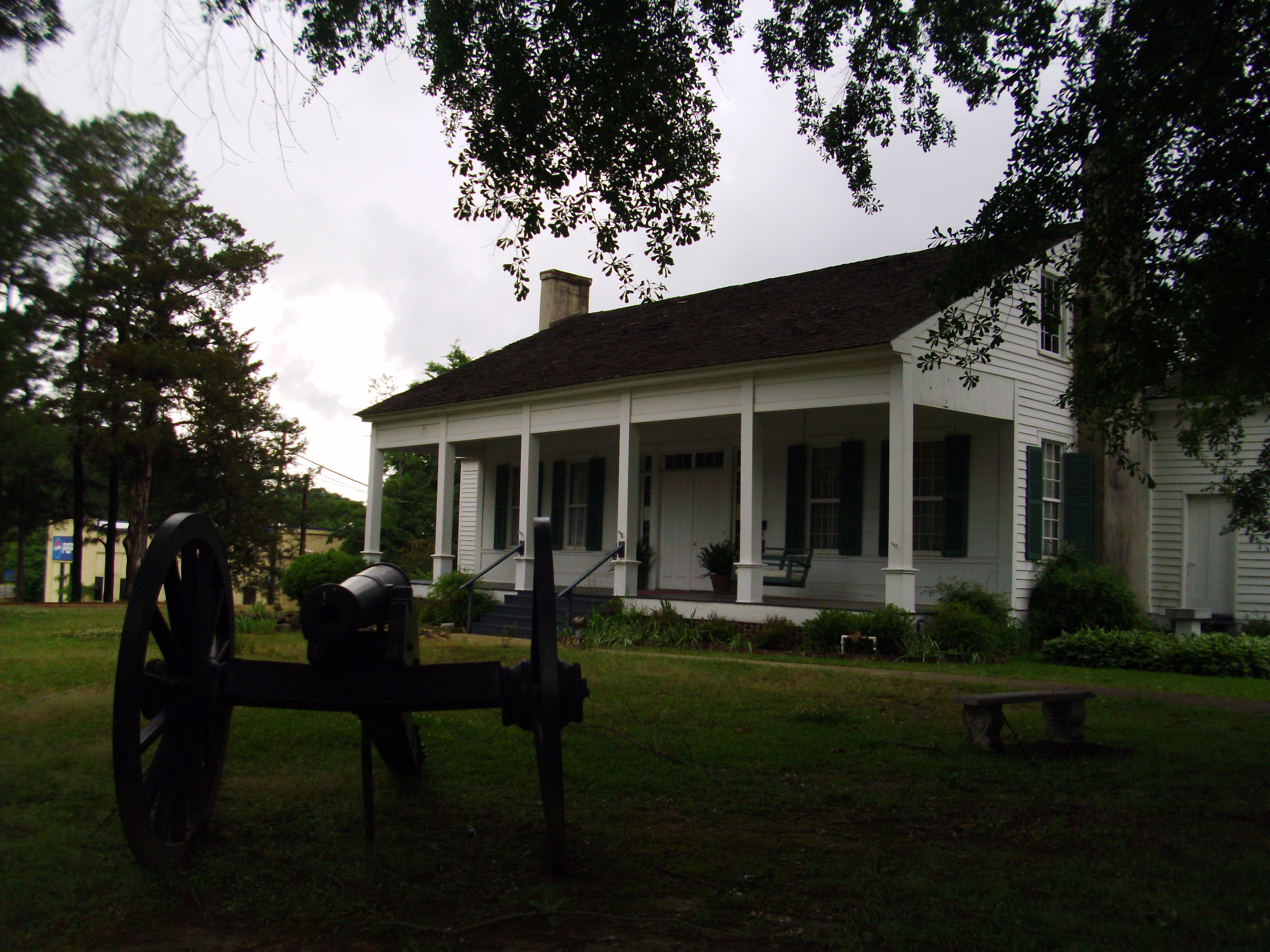
In the late 1980s a photographer aimed his camera at a dresser mirror in the McCollum-Chidester House in Camden, Arkansas, and a Civil War soldier appeared in the reflection — a man who wasn't him. The east bedroom, a Union general's old quarters, has stayed restless ever since.
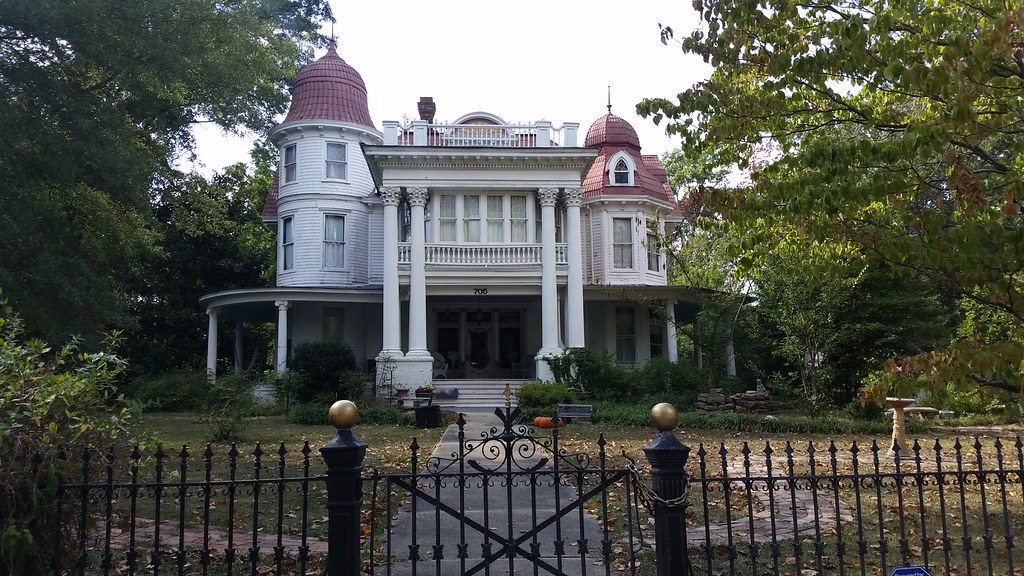
In the late 1980s, a photographer named Elmer Lee aimed his camera at an antique dresser mirror in the east bedroom of the McCollum-Chidester House in Camden, Arkansas. When the picture came back, there was a soldier in the reflection — tall boots with the pants tucked in, a sabre at his side. Lee was in tennis shoes and coveralls. The man in the mirror wasn't him.
The house was already old when he took it. A merchant named Peter McCollum built it in 1847, the first planed-lumber house in the county. In 1858 it passed to John Chidester, a stagecoach operator who paid ten thousand dollars in gold and refused to take Confederate currency for the deal. Six years later, the war came to the door.
In April 1864, during the Red River Campaign, Union General Frederick Steele rode into Camden and made the house his headquarters, working and sleeping in that same east bedroom. Chidester himself was in hiding — accused of pulling Union mail off his own stage routes and handing it to Confederate troops — when soldiers fired through an upstairs wall at random, looking for him. He was crouched in a closet below the bullet line. The holes are still in the wall.
The east bedroom is the one that stayed restless. The soldier in Lee's photograph doesn't show which side he fought for; local lore fills that in, the photo doesn't. In 2020 a group called Natural State Paranormal ran three hours of footage in the same room and reported that the activity sharpened when they laid Civil War swords from the museum's collection on the dresser — and that a camera built to find human-shaped figures caught something at the foot of the bed, seeming to hold the bedpost. It's a single account, but it points at the same mirror, the same dresser, the same room.
The museum doesn't flinch at any of it. The office manager calls the spirits friendly, the kind that "pop in sometimes to say hello." The house is open Wednesday through Saturday, the dresser mirror still hanging where Lee found his soldier in it.