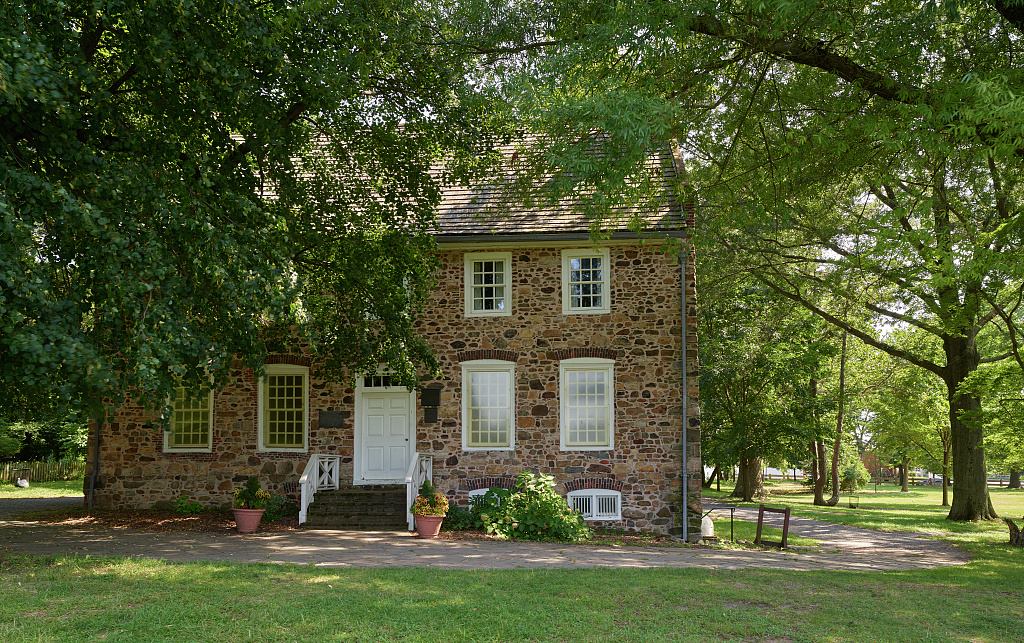
At the Conference House in Tottenville, New York, neighbors report hearing the same scene replay on quiet nights: a man shouting, a woman screaming, then a body falling down the stairs. The colonel blamed for it never fled, and no record says the girl ever existed.
At the Conference House in Tottenville, New York, neighbors have for years reported hearing the same thing on quiet nights. A man shouts. A woman screams. Then the sound of someone falling down the stairs. It plays over and over, the same struggle on a loop, and the story they tell to explain it is the oldest ghost story in New York City.
The story names Colonel Christopher Billopp, the Loyalist who owned the house during the Revolution. He'd become convinced one of his servant girls was a traitor, signaling Patriot soldiers across the water with a lantern in a second-floor window. The legend says that when he caught her at the window again, he threw her down the staircase, killed her, and buried her in an unmarked grave on the grounds. The grave has never been found. Some tell it that he fled to Canada after. Visitors over the years have reported more than the sound, too: the girl herself, the colonel, even British redcoats drifting through the gardens and the kitchen.
He didn't flee. On June 23, 1779, Patriots rowed across the Arthur Kill from New Jersey and captured him. New York branded him a Loyalist felon, seized everything he owned, and banished him. He resettled in New Brunswick, served in its legislature, and died there in 1827, in the 90th year of his age. Not the record of a man on the run from a murder.
And no record says the girl was ever real. No newspaper, no court file, no parish entry names her. The murder is undocumented, and the unmarked grave has never turned up. Staten Island sat under British control through the war, so Billopp had no soldiers to fear and no reason to dread a servant's lantern, which knocks the legs out from under the whole legend.
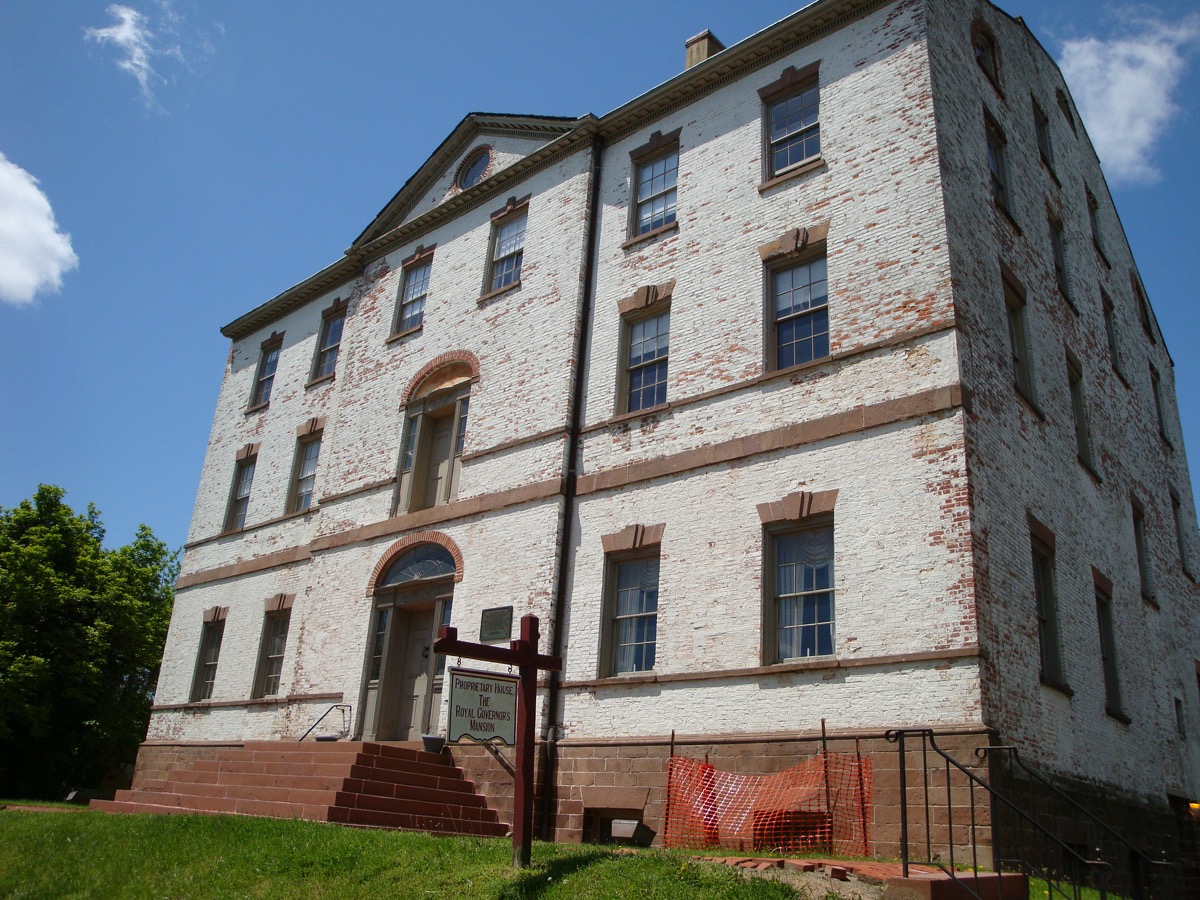
The house itself is real, and older than the country. Captain Christopher Billopp built it around 1680, the only pre-Revolutionary manor still standing in the city. In its parlor on September 11, 1776, Benjamin Franklin and John Adams sat with Lord Howe for three hours and failed to stop the Revolution. After the war the state confiscated the place, and it spent the next century falling: a rooming house, a hotel, even a rat-poison factory, before the city took it over in 1926 and an association restored it. They dedicated it as a museum on May 15, 1937, the first house museum on Staten Island.
That same association won't permit paranormal investigations on the property. So the murder nobody can document stays exactly that, a scream and a fall that neighbors keep hearing for a girl who left no trace at all.