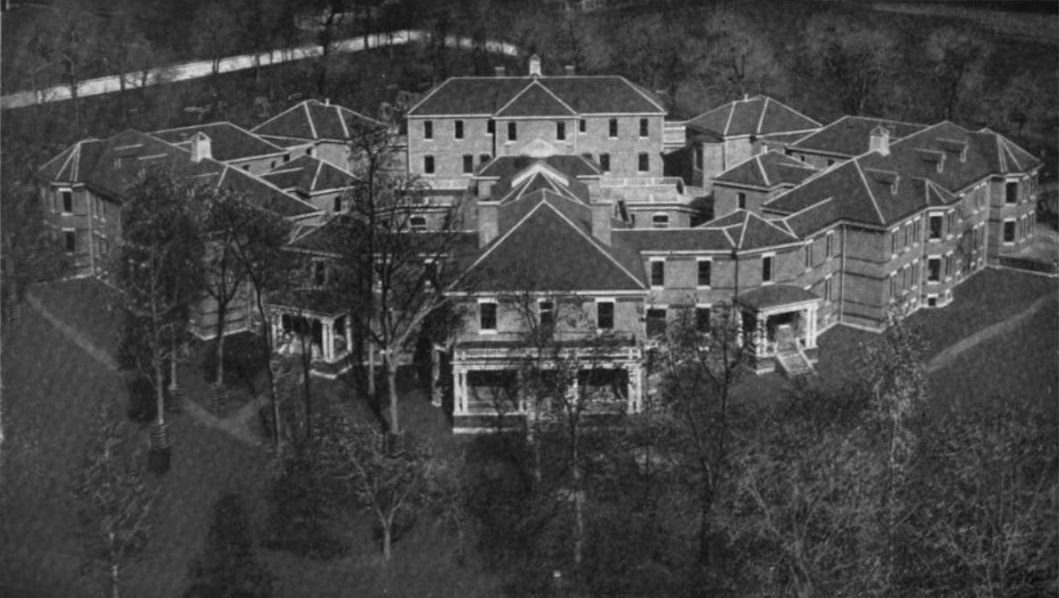
At the old Central State Hospital in Indianapolis, the asylum is mostly torn down. In the few buildings still standing, people keep hearing voices, including a 2006 night when three investigators heard a stuck window tell them exactly how to open it.
At the old Central State Hospital in Indianapolis, three paranormal investigators were on the second floor of the administration building one night in 2006, trying to force a stuck window. They couldn't get it open. Then all three of them heard a voice say, "Pull down from the top."
That was a transom window. Pulling down from the top is exactly how it opens. "I asked everyone in the room who knew how to get the windows open," investigator Maggie Zoiss recalled. "Everybody said they didn't know how to open the windows." They recorded a childlike voice in the same session.
The place that voice came from was an asylum for 146 years. It opened in 1848 to do better than the jails reformer Dorothea Dix had inspected near Indianapolis, where the state was warehousing the mentally ill. On Christmas Day 1883, the superintendent, Dr. William B. Fletcher, dragged every mechanical restraint in the building into the yard and burned them in a public bonfire. He was fired for it. The restraints came back within months.
Thousands died at Central State before it closed in 1994, an estimated 2,000 by autopsy records alone. Most were buried on the grounds, in plain wooden coffins marked with numbered metal stakes that have since rusted away or gone missing. The cemetery had four sections, and one of them, used from 1848 to 1905, may hold more than 1,000 graves whose exact locations were simply lost. Nobody had good records. Only 575 names were ever recovered for a memorial headstone. In 2020, Ball State archaeologists used ground-penetrating radar to find the burials, reading the metal hardware of the caskets through the dirt. That same year, crews digging a trench for a police facility hit Section 1 and disturbed the remains of 13 patients.
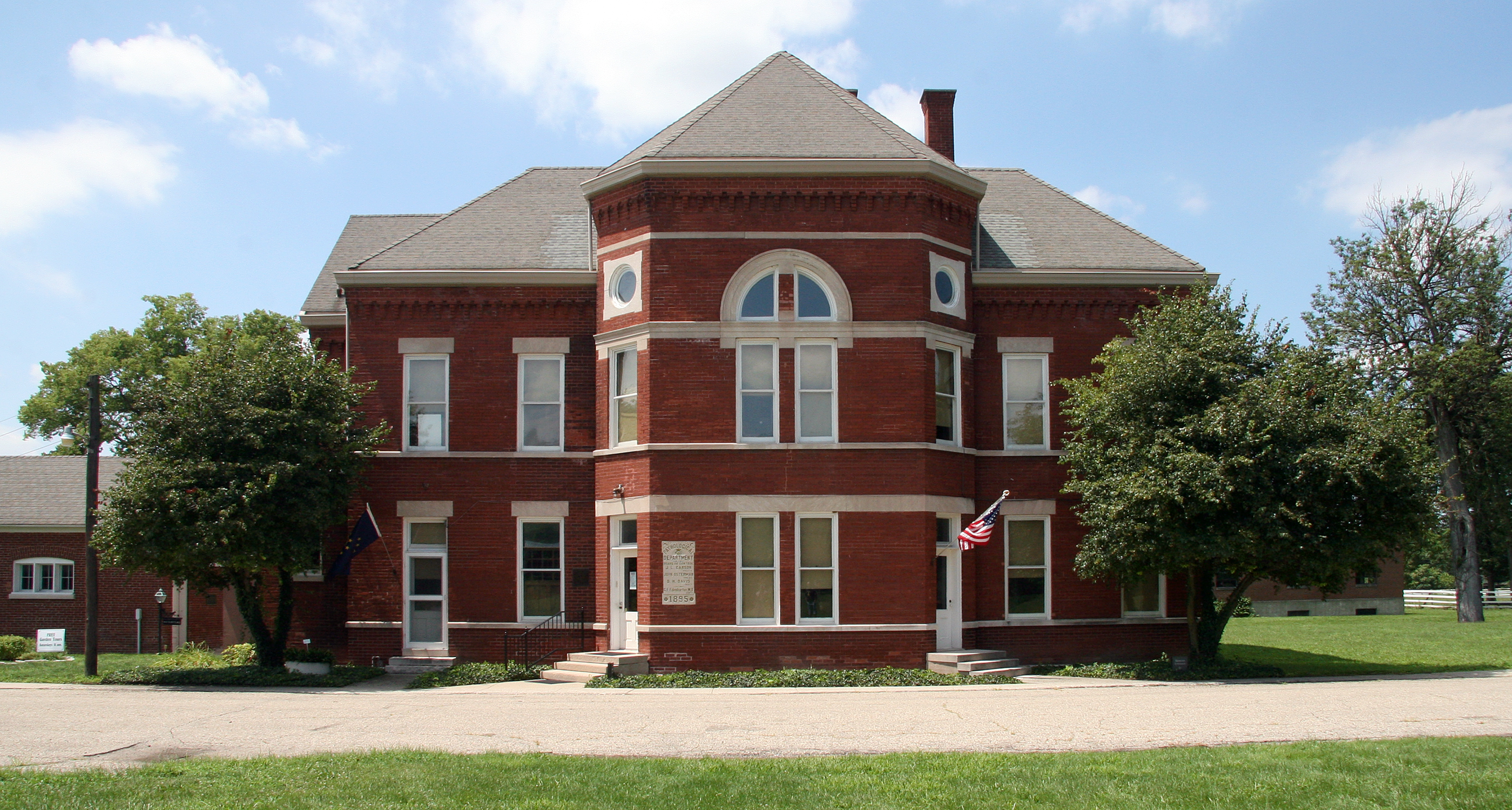
Most of the campus is gone now. The 1886 Old Power House still stands, fenced off, and people report a woman's screams from around it, and old machinery flipping on and off. The 1896 pathology building is a medical museum now. Inside it sit shelves of preserved human brains in jars, most of them taken during the roughly 1,450 autopsies performed in that building through 1948, labeled only with a clinical case description and no name at all. Staff and visitors report voices and moans inside it. The asylum kept the people no one would claim. It seems to have kept the sounds, too.