Under the Old Candler Hospital in Savannah, Georgia, a tunnel ran out to a small underground morgue. On the wall inside hung a Latin plaque: Speak no ill of the dead. Above it, staff still report figures wandering halls that aren't a hospital anymore.
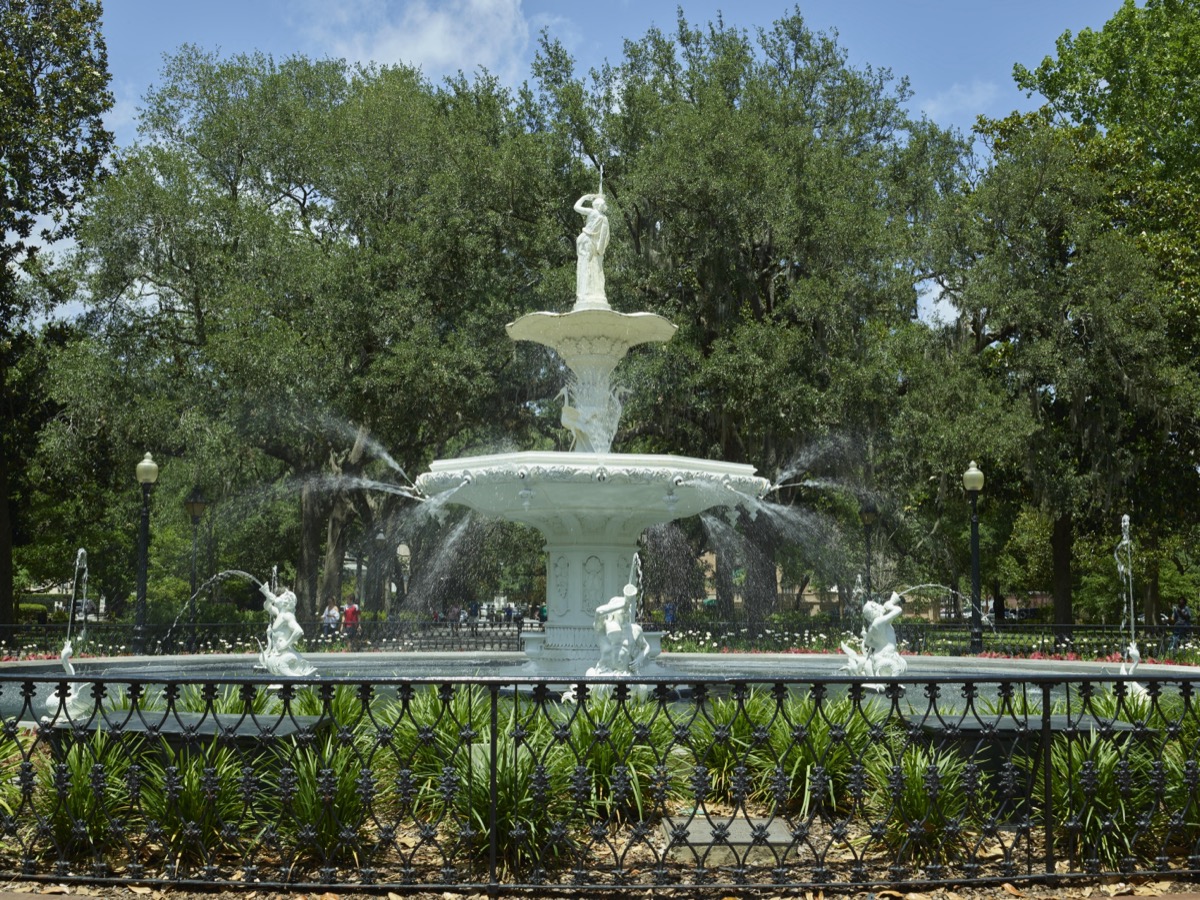
On the Drayton Street side of Forsyth Park in Savannah, Georgia, the Old Candler Hospital still stands, and underneath it runs a tunnel to a small room cut into the ground. The architect built that room in 1884 as a morgue, 10 by 12 feet, vaulted ceiling, with two doors — a narrow one on the hospital side and a wider one onto Drayton Street, sized for caskets. On the wall hung a plaque in Latin: *De Mortuis Nil Nisi Bonum*. Speak no ill of the dead.
The hospital wasn't shy about the room. When it opened, the Savannah Morning News bragged there was "probably no superior morgue… in the United States. It is cool, absolutely clean and perfectly ventilated." A point of civic pride, written up in the paper.
The tour guides tell it darker — bodies smuggled through the tunnel during the plagues so the public wouldn't panic. That part doesn't hold. The morgue was built in 1884, after Savannah's worst yellow fever years, and the death counts ran in the papers daily. The 1820 epidemic alone officially killed about 666 in a city of 7,500 — one in ten — and the real toll was higher, because Black deaths went uncounted.
The institution dates to 1803, a seamen's hospital and poor house, Georgia's first. It treated the city's dying through every fever season for over a century before Candler moved out in 1980. Today the building is the Deloitte Foundry (formerly Ruskin Hall), owned by the art college SCAD — admissions offices, a design studio, a coffee shop. Restored, busy, ordinary.
The people who've worked inside don't always describe it that way. They report figures drifting the halls with lost, confused looks, as if they were patients who never checked out. Footsteps. Knocking on the walls. The sense of a hand pressing on a shoulder when no one's behind you.
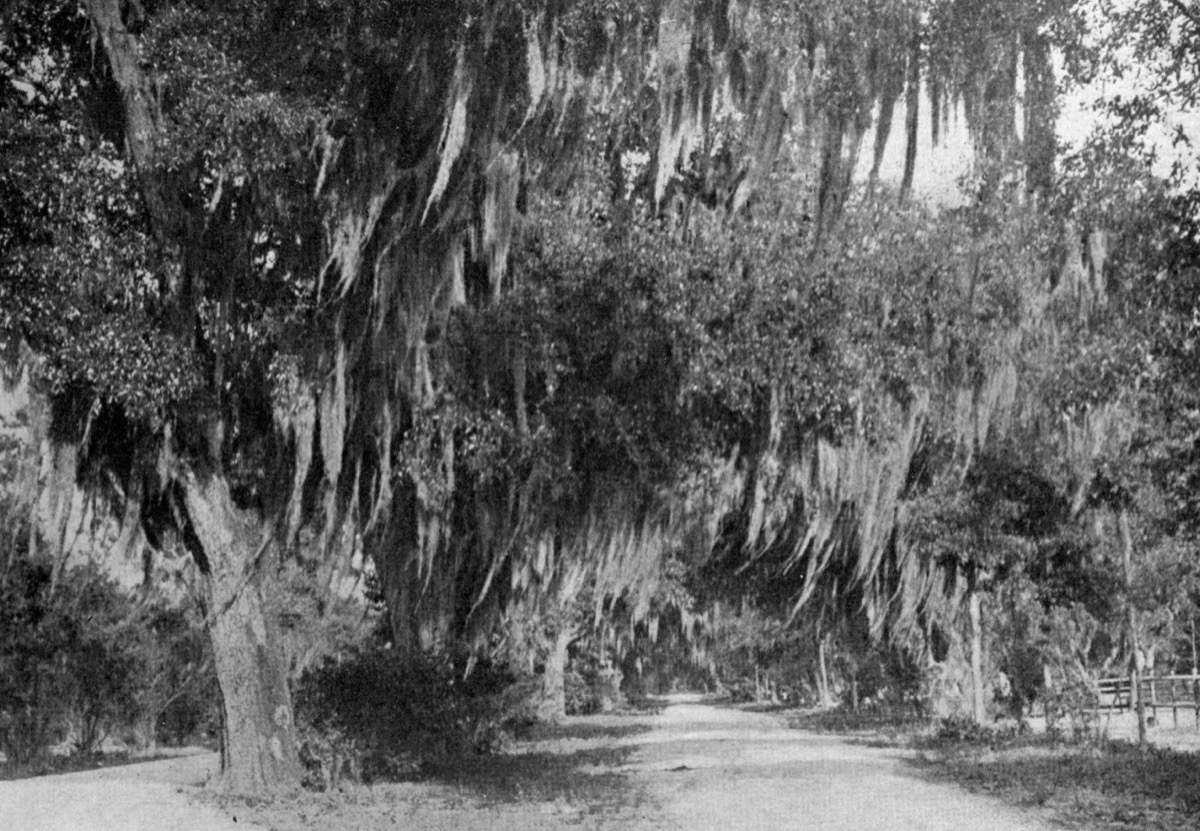
Beside the building stands the Candler Oak, near 300 years old. During the Civil War, the hospital penned Union prisoners in a stockade beneath it. The men sat in its shade and waited.