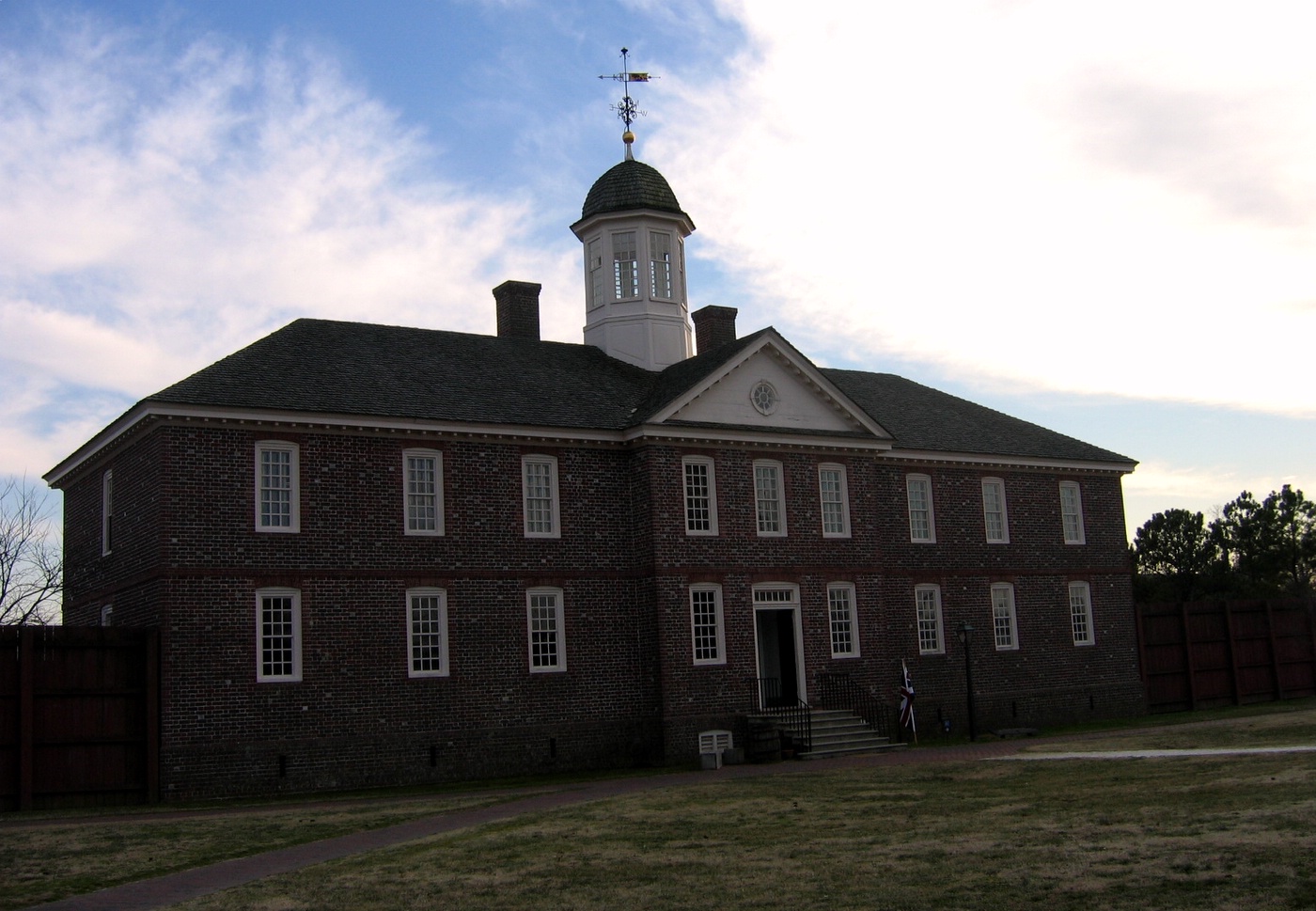
Galt ran the Public Hospital in Williamsburg for 21 years, then died from the same laudanum he dispensed. May 18, 1862.
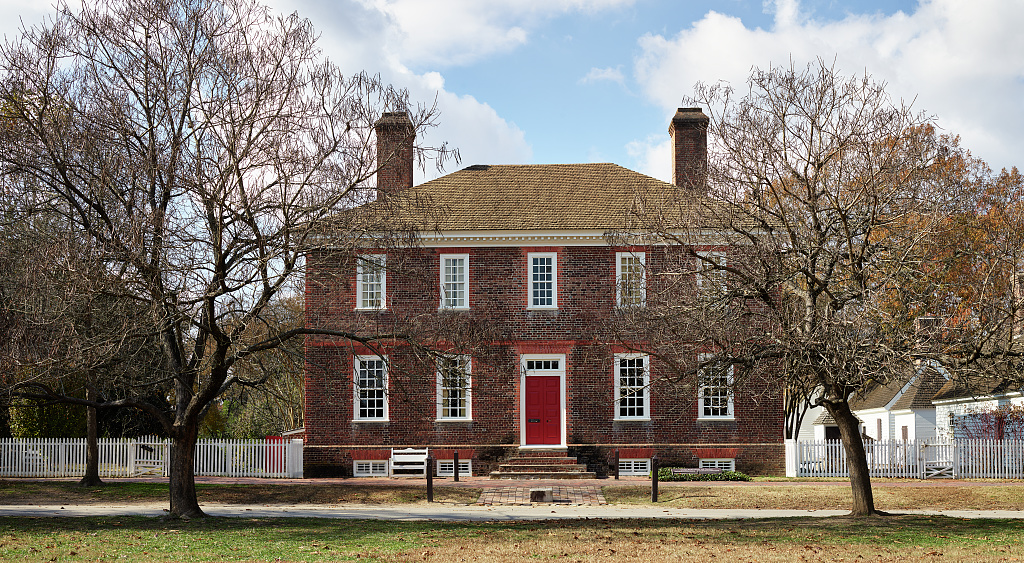
On May 18, 1862, Dr. John Minson Galt II died in his house on the grounds of the Public Hospital from a laudanum overdose. Whether deliberate or accidental, his contemporaries could not agree. He was forty-three. Twelve days earlier, Union troops had captured the hospital during the Peninsula Campaign, found 252 patients locked inside without food after the white staff fled, and forbidden Galt from seeing any of them. He had run the place for twenty-one years.
He'd been twenty-two when they appointed him superintendent, the youngest of the thirteen physicians who would go on to found what became the American Psychiatric Association. He wrote that the mentally ill "differ from us in degree, but not in kind." He built craft rooms and gardens and a library on the grounds. He pioneered bibliotherapy at the institution. He once went an entire year without ordering a physical restraint. He admitted nonwhite patients starting in 1848, the first U.S. hospital to do so, and kept the wards desegregated for a decade.
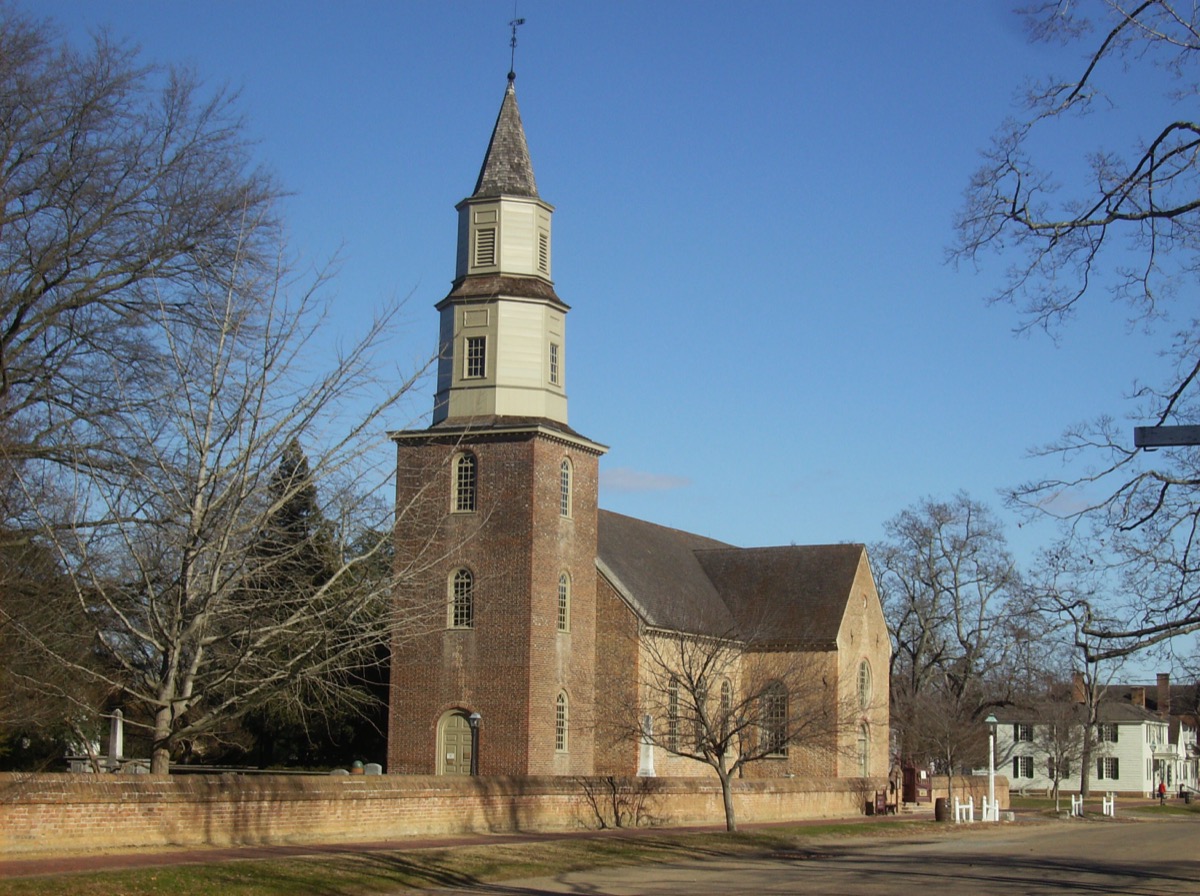
He's buried at Bruton Parish Church a few blocks away.
The 1773 building Galt walked into every morning was the first public facility in what's now the United States built solely for the care of the mentally ill. The Virginia House of Burgesses heard Royal Governor Francis Fauquier ask for it in two separate speeches, in 1766 and 1767, in language that's still hard to read calmly: "a poor unhappy set of People who are deprived of their senses and wander about the Country, terrifying the Rest of their fellow creatures." The General Assembly chartered it on June 4, 1770. The first two patients walked in on October 12, 1773. They were Zachariah Mallory, who'd been transferred from the county jail, and a woman named Catherine Harvey.
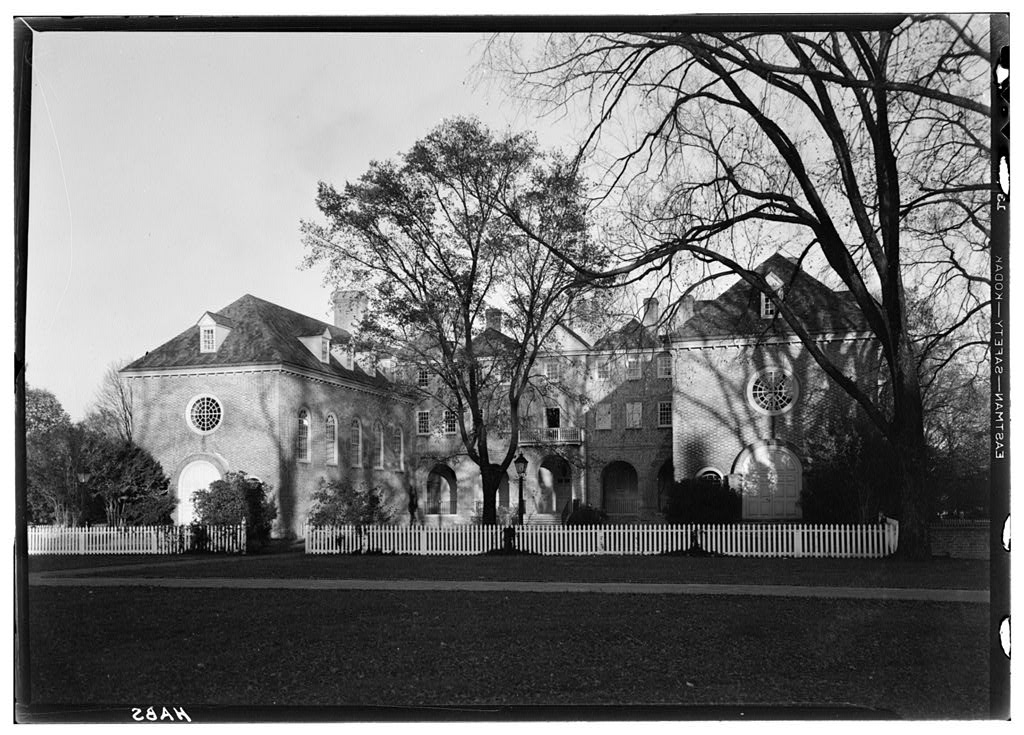
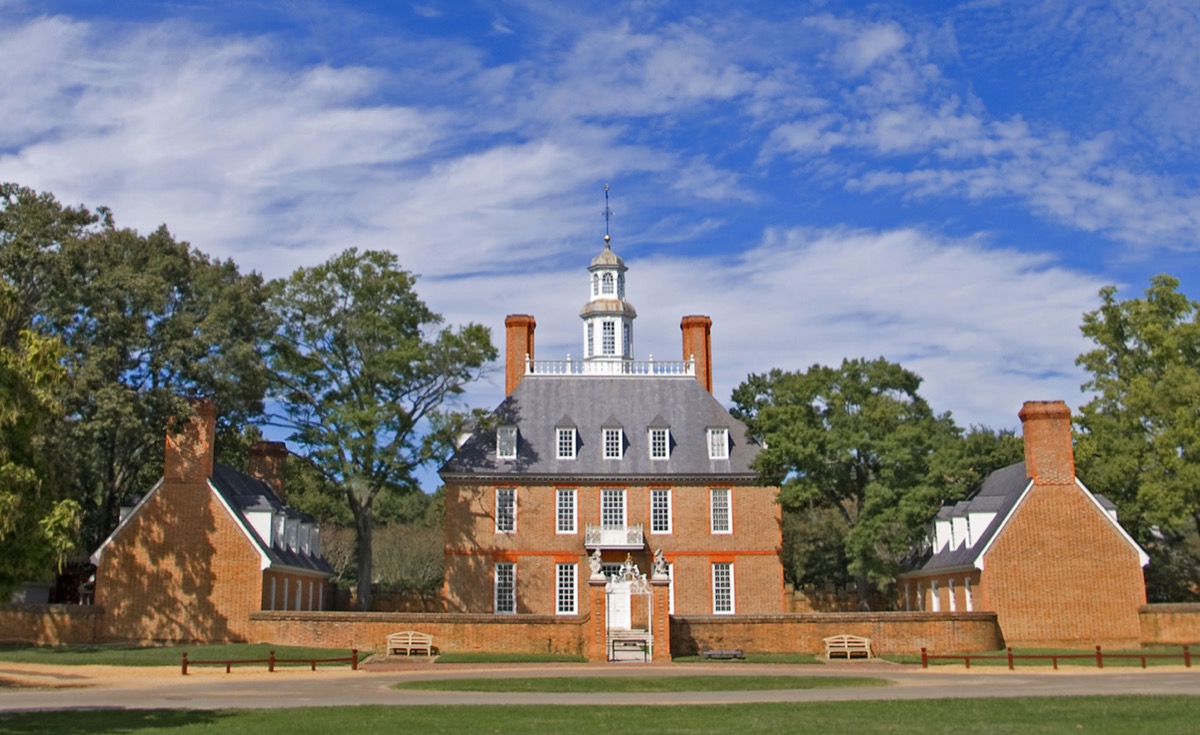
Philadelphia architect Robert Smith designed the building. Same man who'd designed Carpenters' Hall, where the First Continental Congress would meet the next year, and Nassau Hall at Princeton. The Williamsburg hospital was a rectangular brick structure with a pedimented pavilion, a hipped roof, a central cupola, and twenty-four cells. Each cell got a barred window, a mattress, a chamber pot, and an iron ring bolted into the wall for the patient's ankle or wrist fetters. In 1799 they cut two more cells into the basement for patients prone to what the records called "raving phrenzy."
The treatments inside were what eighteenth and early nineteenth-century medicine believed worked, which is to say they didn't. An 1842 record at the hospital shows a single patient could undergo three to sixty bloodletting sessions, with eight to sixteen ounces drawn each time. Patients were dosed with laudanum and given purgatives like castor oil, aloe, and hellebore tincture. Blistering agents were applied to the neck and to the shaved head. There were temperature baths and straight jackets. There was also Benjamin Rush's tranquilizing chair, designed in 1810 on Rush's theory that mental illness was a disorder of circulation. Restrict blood flow to the brain, the thinking went, and you'd stabilize the patient's pulse. Rush wrote, in general, that "terror acts powerfully upon the body, through the medium of the mind, and should be employed in the cure of madness."
None of this is presented here as a haunted-house prop. People lived and died inside these methods. The hospital kept doing this work, with Galt eventually pushing it toward something less brutal, until everything was taken from them on May 6, 1862, when Union forces walked in. A non-African American employee named Somersett Moore came back to the building after the rest of the staff ran, and he opened the cells.
Twelve days after that, Galt was dead.
The 1894 records show the name was changed that year from Eastern Lunatic Asylum to Eastern State Hospital. On the night of June 7, 1885, the original 1773 building burned to the ground. The fire started in newly installed electrical wiring, one of the modernizations brought in under Superintendent James D. Moncure. The nearest fire engine was about fifty miles away in Richmond. Students from the College of William and Mary helped fight it. Five other buildings in the asylum complex burned down with the original. Two patients were missing afterward and presumed dead. Two hundred and twenty-four others were displaced.
The hospital itself kept running on the site. Patients were gradually moved out of downtown Williamsburg to the Dunbar Farm site outside town. The move was finished by 1970. Eastern State Hospital still operates there.
In 1982, DeWitt and Lila Acheson Wallace, the couple who'd founded Reader's Digest, gave Colonial Williamsburg twelve million dollars. The money paid for two things: a reconstruction of the 1773 Public Hospital on its original foundations, and the construction of a new decorative arts museum next door. Both opened in 1985. They're connected by an underground concourse, so you walk into the museum through the hospital. The reconstructed building stands at 325 West Francis Street and is listed within the Williamsburg Historic District on the National Register of Historic Places.
What people who run ghost tours through Colonial Williamsburg will tell you is that after Galt died, a family named Lee moved into his house on the grounds, and Mrs. Lee could not scrub the bloodstain out of the floorboards. They replaced the wood, the story goes, and the stain reappeared on the new floor the next morning. Her children complained that a man was in the upstairs room where Doctor Galt died. After the house was eventually torn down, locals said Galt's spirit moved over to the asylum. Tour guides tell visitors that Colonial Williamsburg staff have fielded complaints about sudden gusts of wind in the reconstructed exhibition rooms, and about the bed in one display appearing slept-in. There's a male patient said to be heard dragging chains down the corridor. There's a maintenance worker who supposedly saw the shadow of a wheelchair move through an empty hallway.
None of these show up in any contemporary record. They're tour lore. Take them at the weight of tour lore.
What's verifiable is more haunting than what isn't. A twenty-two-year-old physician, son of Williamsburg, who spent his career arguing that the people locked in those cells were not categorically different from the people walking past the building. A Union army that took his hospital from him and wouldn't let him near his patients. A bottle of laudanum, the same opiate he'd been dispensing for two decades to calm the people he'd promised to care for. A foundation excavated and rebuilt brick by brick on top of those twenty-four original cells. And an iron ring, still in the reconstructed wall, where the fetters used to clip in.