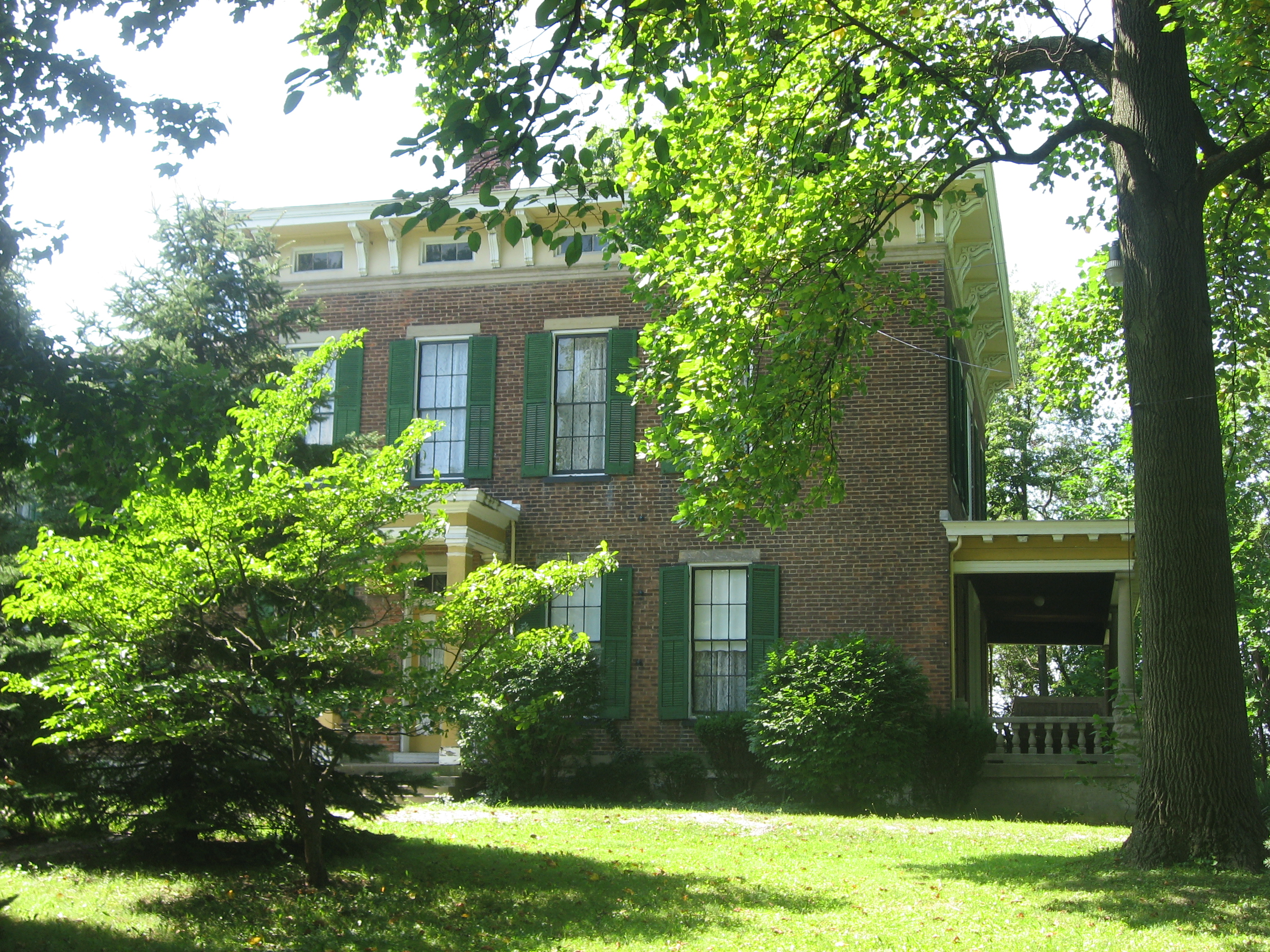
At the Hannah House in Indianapolis, a porch rocking chair rocks on its own and a man in a dark suit walks the upstairs hall. The mansion's most-told ghost story is one historians debunk out loud, leaving something quieter behind.
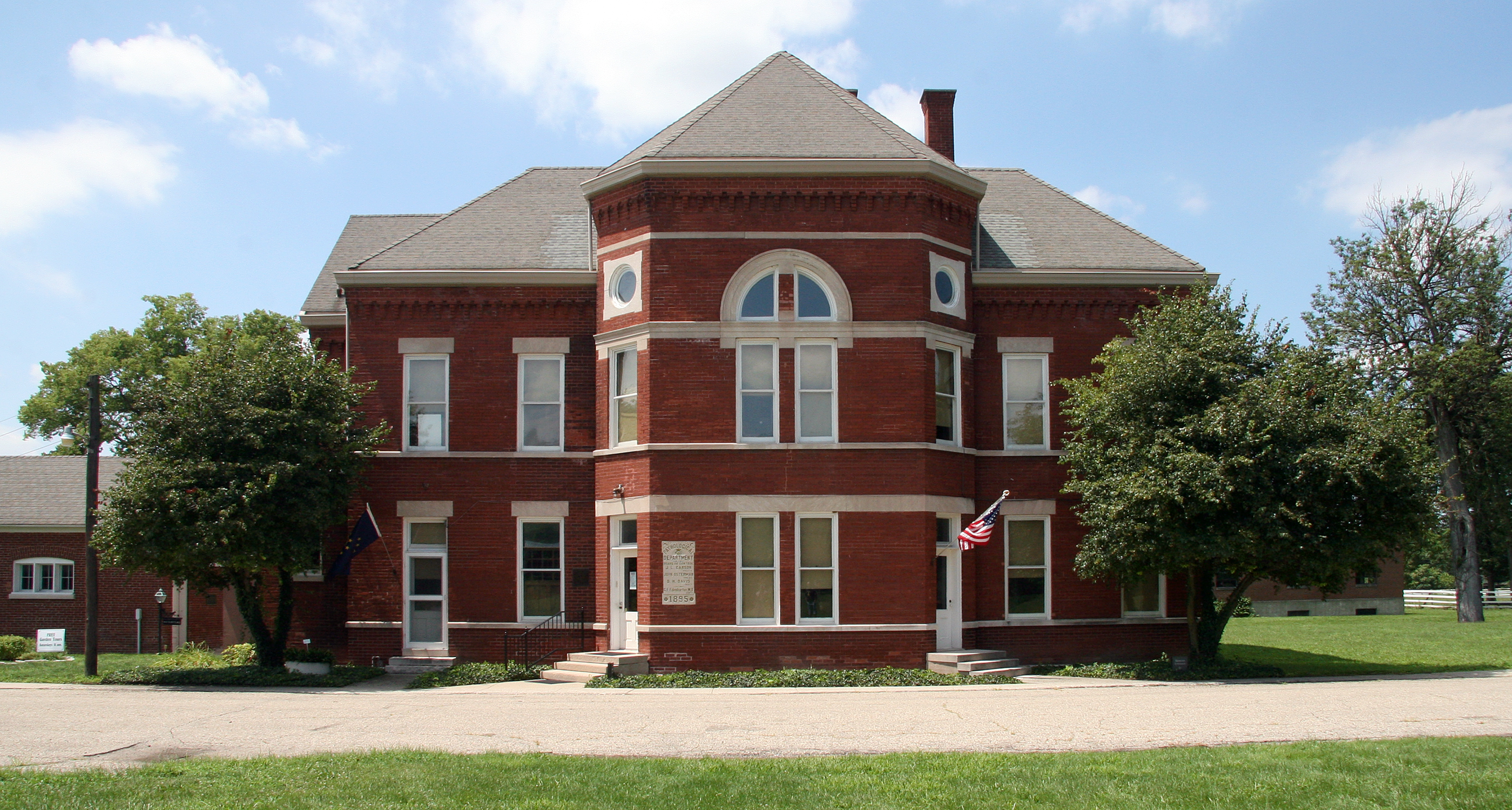
At the Hannah House in Indianapolis, the rocking chair on the porch is said to rock on its own, with no wind and no one near it. Inside the 24-room brick mansion, visitors report a man in a dark suit who walks the upstairs hall. And in the basement, the story goes, an unseen hand closes around a forearm in the dark.
The most-told story about the place is different, and uglier. The way it's passed around, escaped slaves hiding in the basement died in a fire, and the abolitionist owner buried them in the dirt floor. The people who study the house say plainly that it never happened. The Encyclopedia of Indianapolis calls the tale "an insensitive urban myth, which is untrue." Indianapolis historian Jessica Fischer went looking and found nothing tying the house to the Underground Railroad at all. "There is no evidence to say that his house was a part of the Underground Railroad," she said. No fire records. No burial records. No documented connection of any kind. The story most people come for is the one with nothing under it.
What's actually on the record is quieter. Alexander Hannah built the place in 1859 with money he'd made prospecting in the California Gold Rush, settling it on 240 acres bought from his own father. He sat as sheriff, postmaster, court clerk, and a member of the state legislature, and for decades he collected tolls on the road that ran straight across his land. In 1872 he married Elizabeth Jackson. Their only child was stillborn on March 16, 1875, a daughter they'd meant to name Elizabeth, after her mother.
The ghost stories took hold much later, after an antique-dealer couple named the O'Briens moved in during the 1960s and ran their business out of the rooms. They reported cold spots and foul smells, spoons flying off tables, doors and wall hangings shifting on their own, voices with no body behind them. Some of what people describe gets pinned to that stillborn daughter, the child who never got the chance to use her name, said to bump against visitors' legs in the upstairs bedrooms. People driving past the house say an older man waves at them from an upstairs window, and they take him for Hannah himself.
The mansion runs paranormal investigations overnight now, evening to dawn, in the same rooms three families lived and died in. The thing the visitors come hunting for never burned in that basement. By the record, no one did.