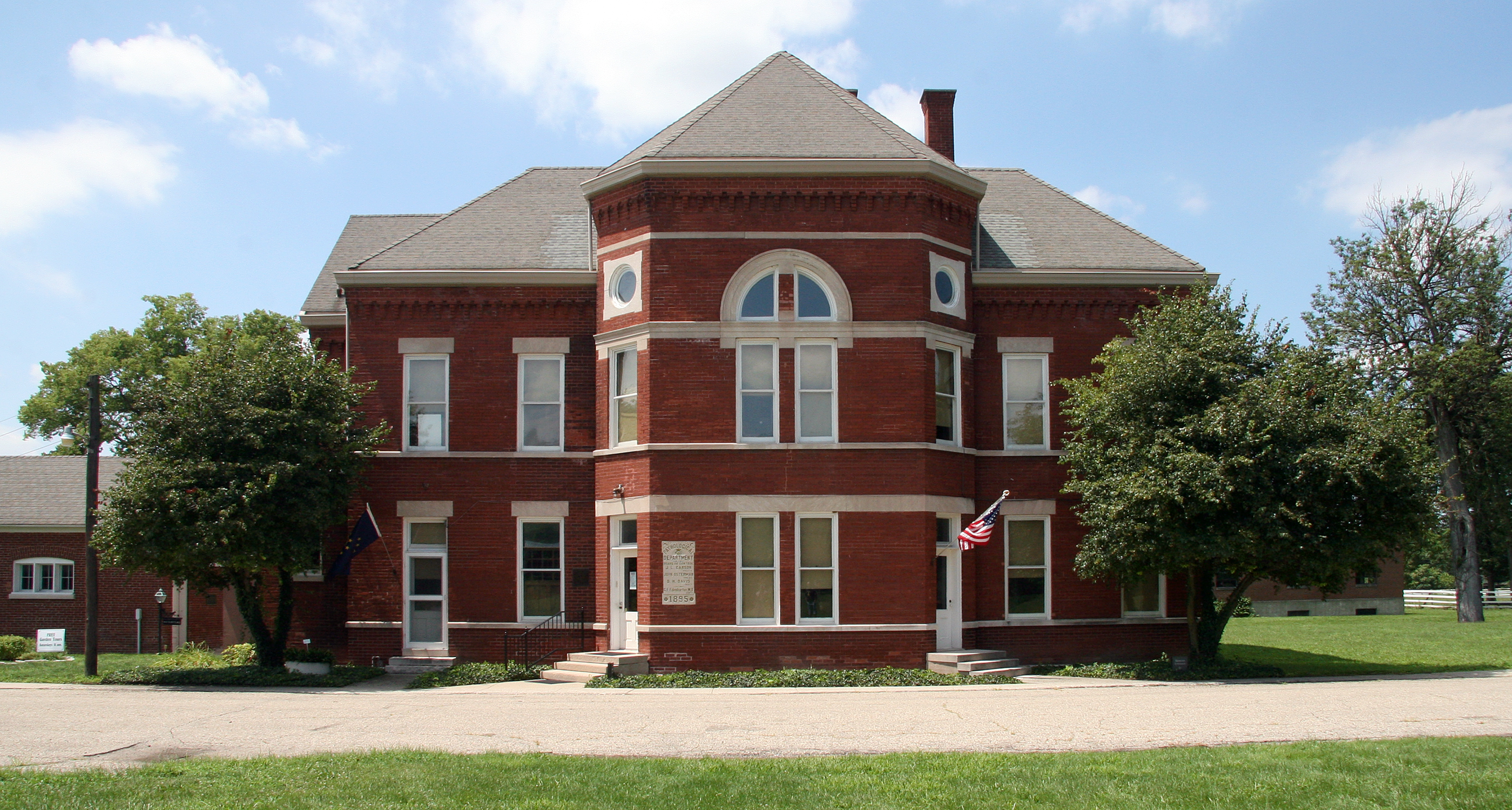
The Indiana Medical History Museum in Indianapolis is the oldest surviving pathology lab in America, with a room of preserved brains labeled only by case number. The staff don't tell ghost stories. Their visitors do.
The Indiana Medical History Museum in Indianapolis keeps a room of human brains on its second floor. They sit in jars of clouding formalin, each one labeled with a case number and a diagnosis, epilepsy, head injury, neurosyphilis, and nothing else. No names. The people they belonged to died next door, in the insane asylum the building was built to serve, and the brains outlived the records of who they were.
The staff are medical historians. They don't trade in ghosts. But visitors keep coming back to the front desk, by their own accounts, to report the same disembodied voices and moans in the old Pathology Building.
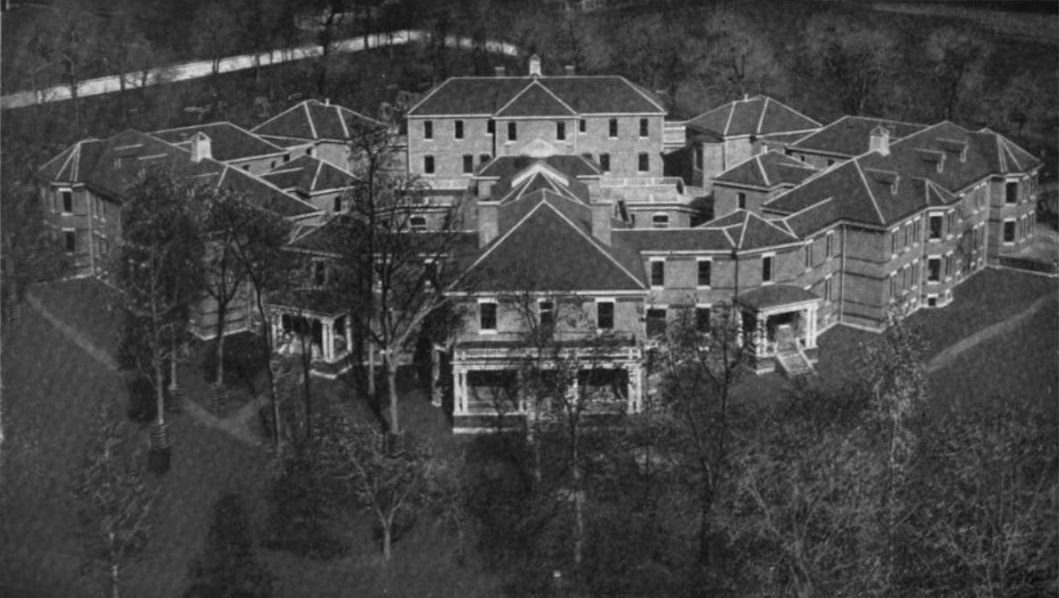
The building opened in 1896 as the pathology lab for Central State Hospital, a 19-room brick structure designed by Adolph Scherrer the year before. At its center is a teaching amphitheater, about 150 original wooden chairs in steep rows around a table in the middle of the floor. A corpse-draining table on wheels was rolled in front of the audience, and physicians and medical students watched autopsies from those seats. Roughly 1,450 were performed in the building before 1948. You can only see the room on a guided tour. "We don't want somebody to fall and face plant on some brain tissue," the museum's director once explained.
In the 1920s and 1930s, the lab's pathologist Walter Bruetsch studied syphilis of the brain, then a leading cause of mental illness. Starting in 1925, his treatment was to give patients malaria on purpose, betting the fever would burn out the infection before the disease finished them. The lab inoculated patients and shipped infected blood across Indiana and the Midwest. Bruetsch worked there roughly 30 years.
The brains in the jars are what saved the building. They were collected from autopsied patients in the 1930s and 1940s, organized by pathology, and over time the formalin clouds, executive director Sarah Halter has said, leaving "little 'floaties' that are kind of gross." The place became a museum in 1969, and for decades the specimens stayed nameless. Then, in 2015, the museum started a project to find out who they had been, working with the state archives and medical students to recover the lost names one case number at a time. A permanent exhibit of what they found opened in 2019.
Some of the voices visitors report in the Pathology Building sound like children, the stories go. Some, they say, ask why their brains were taken.