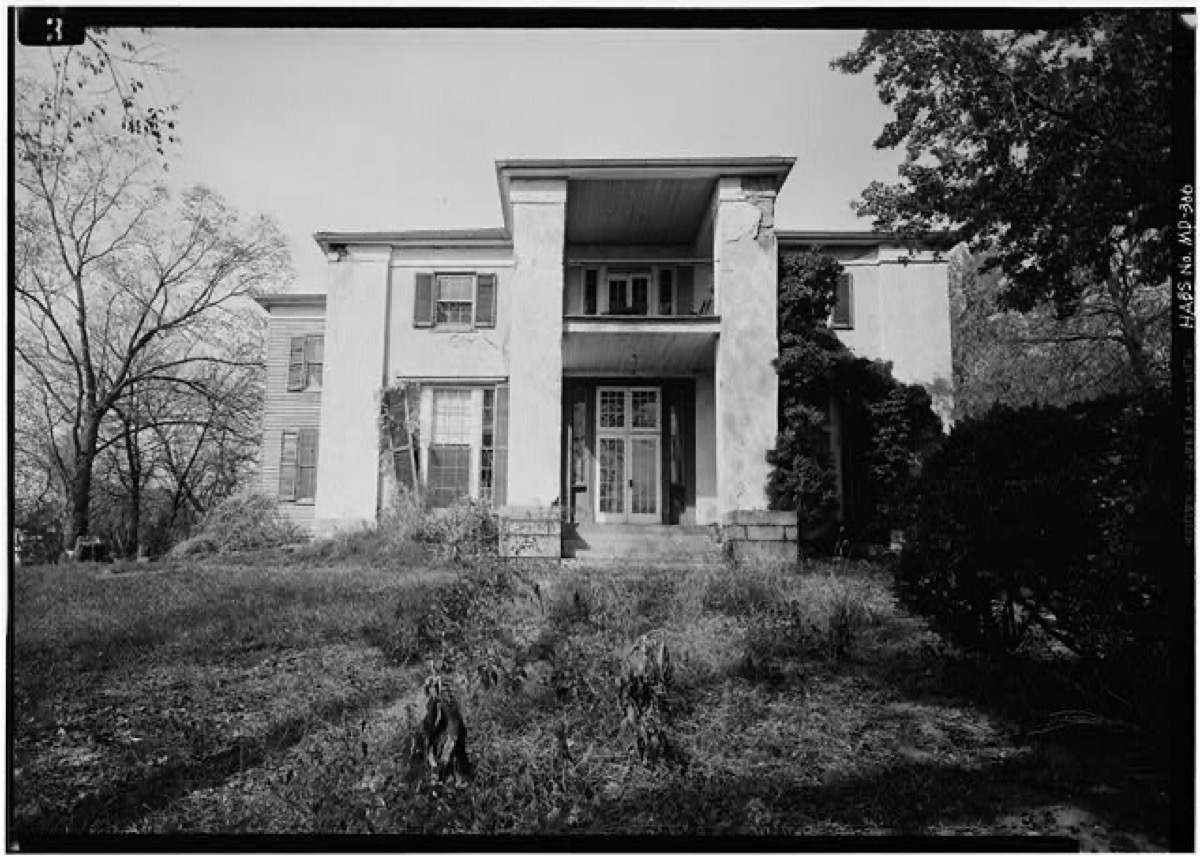
At the Mt. Ida mansion in Ellicott City, Maryland, the ghost isn't a face in a window — it's a sound. Workers report a ring of keys jingling room to room, the way deaf old Miss Ida Tyson, last of her family, used to walk her rounds.
At the Mt. Ida mansion in Ellicott City, Maryland, the ghost story isn't a face in a window or a slammed door. It's a sound. Workers in the building report the metal-on-metal jingle of a keyring moving down a hallway, room by room, and they have a name for the woman making the rounds. They call her Miss Ida.
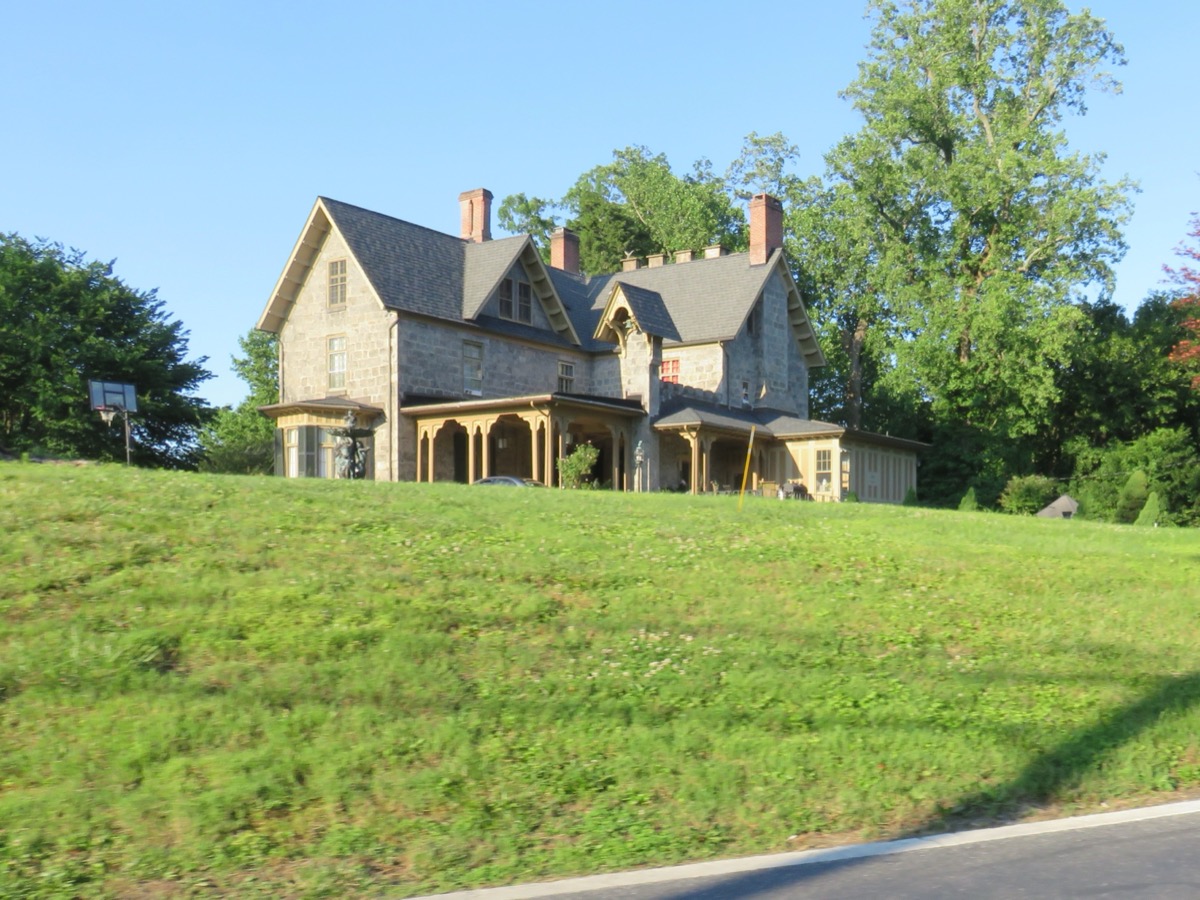
The house went up in 1828 for William Ellicott, grandson of one of the men who founded the town, and it was the last home built in the historic district for an Ellicott. The architect was Robert Cary Long Jr. of Baltimore, and the granite-and-rubble walls were dressed in yellow stucco scored to look like cut stone, a humble material made to pass for something grander. William Ellicott didn't get long with it. He died about eight years after it was built, before he ever really got to enjoy the place.
By the 1850s a judge named Tyson had moved his family in, and that family is where the story turns. The Tysons had one son, an attorney, and he died in a boating accident. The judge's three unmarried daughters then lived out their whole lives in the house, one by one, until only Ida was left. She was the last Tyson, and the place was named for her.
By her final years Ida was deaf. She used an ear horn to hear and a cane to move from room to room. And she kept a ring of keys with her at all times, checking every room, every closet, every door of the mansion her family had dwindled inside of, until she was the only one left to lock up. A second cousin came to care for her at the end. She died sometime in the 1920s, most accounts say 1925, a few say 1927.
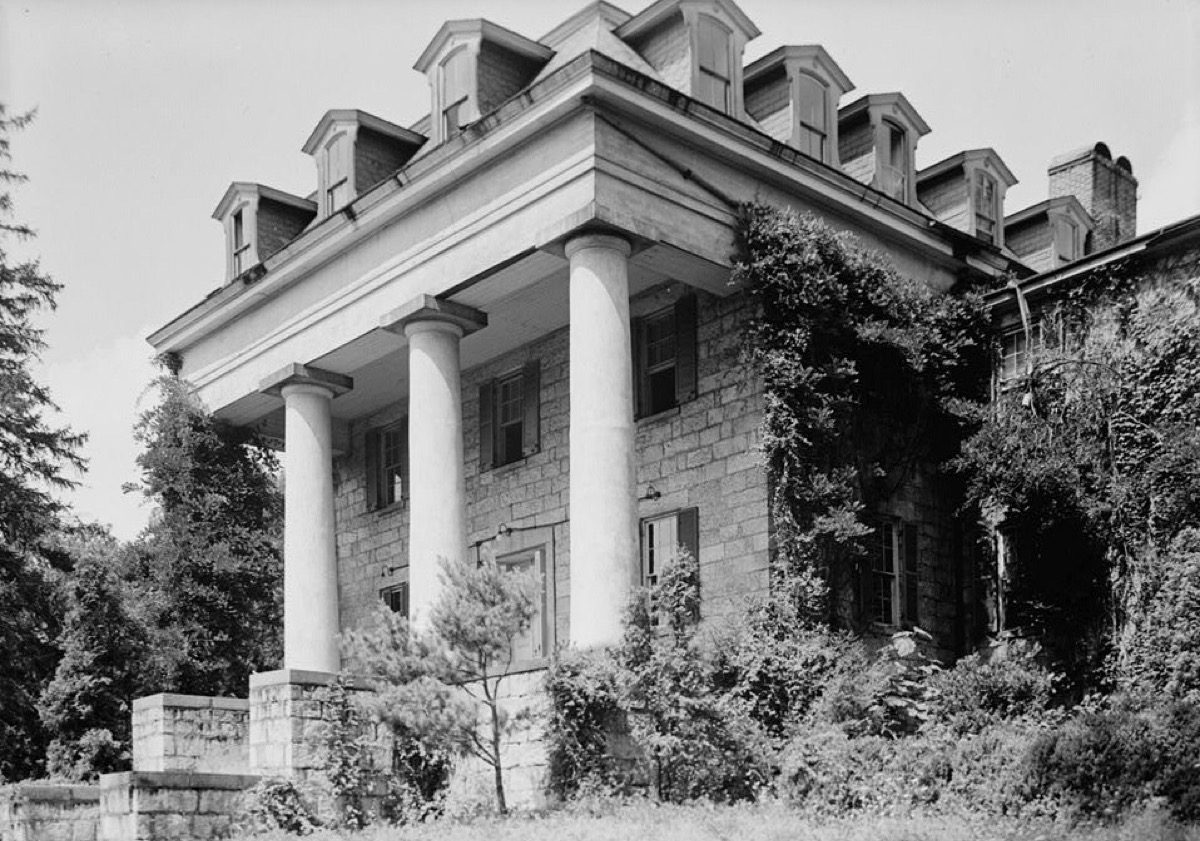
The house emptied out after that. The owners who followed sold in 1959, and the place was left to wait for the wrecking ball. Vandals stripped the central staircase, the door locks, the marble mantels, and the empty house sat overgrown for years. That ruined, abandoned period is the one captured in the old survey photograph still used for the building today.
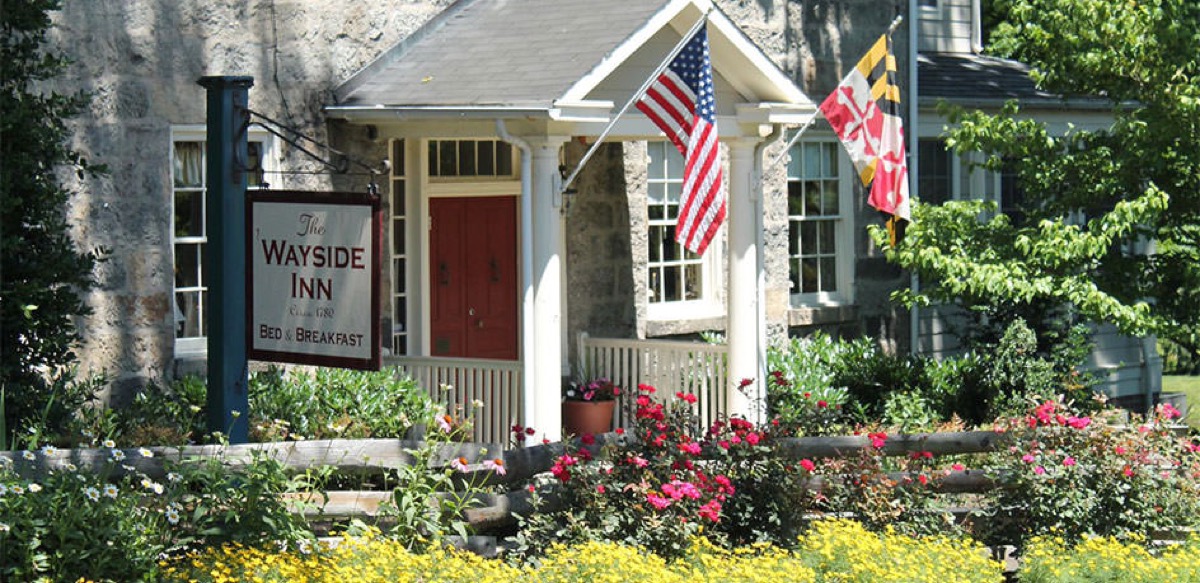
It was saved before the demolition came. It's an inn now, careful and well-kept, the walls still packed with the original ground oyster shells and horsehair, the old-growth pine floors and stone fireplaces restored. The owners don't sell the ghost. The story is carried by the ghost-tour guides, who call her the cleaning ghost of Mt. Ida, a benevolent presence who tidies and checks rather than scares. Locals say she loved the old house. So she stays, walking the halls, room by room, making sure every door is locked.