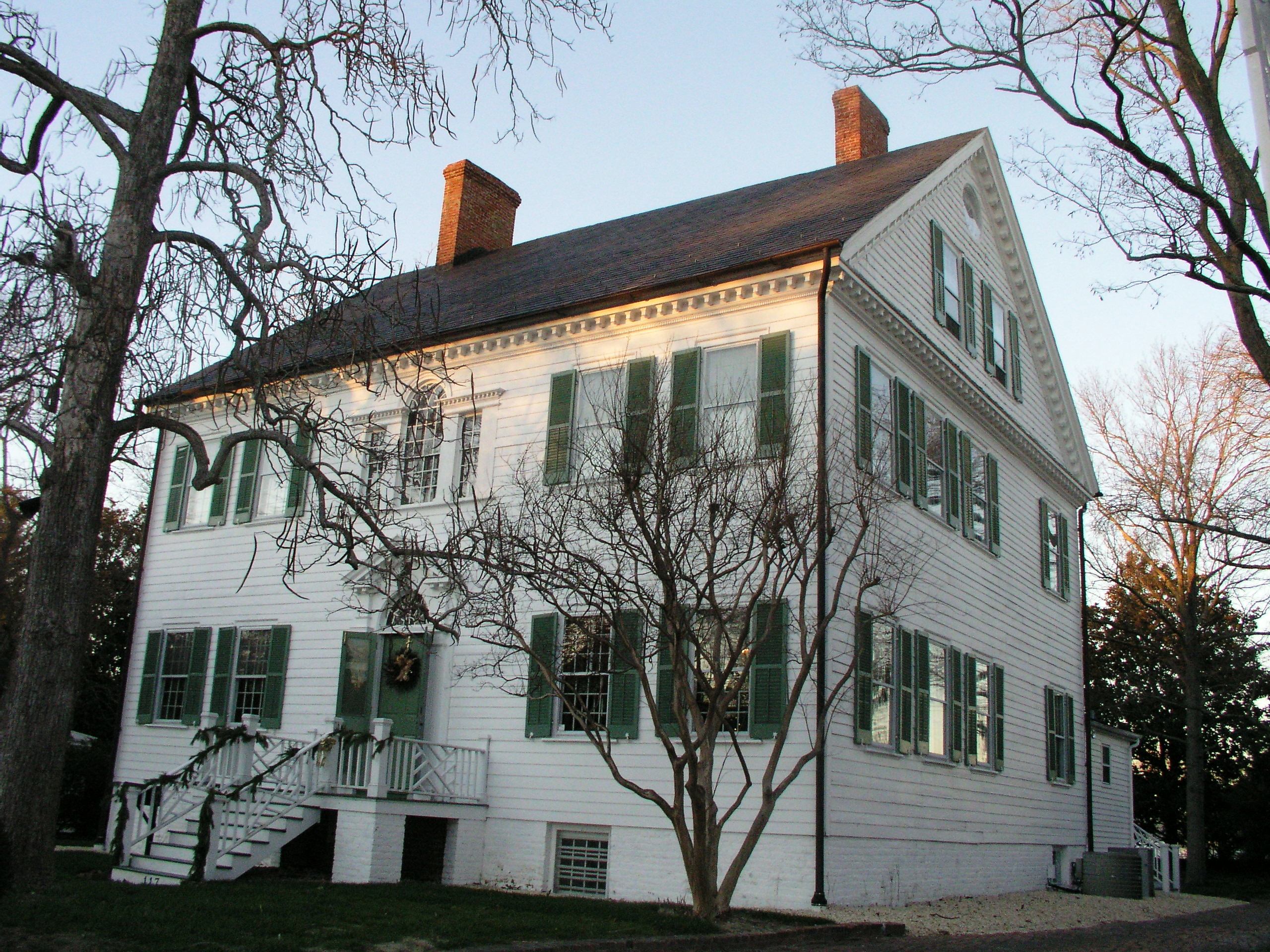
At Poplar Hill Mansion in Salisbury, Maryland, the nursery floor reportedly still carries scorch marks from the night a young enslaved woman's skirt caught fire. Staff say Sara never stopped working — drawers open, linens folded, after children long gone.
At Poplar Hill Mansion in Salisbury, Maryland, the floor of the second-floor rear bedroom is said to carry scorch marks that never came out of the wood. The room was the nursery, and the story attached to it is about a girl named Sara.
Local tradition tells it this way. Sara was 19, an enslaved woman who looked after the Huston children. One day she stepped too close to the fireplace, and her long, full skirt caught the flame. She died of the burns. The marks on the planks around the hearth are said to be hers.
By every account, she stayed and kept working. Staff find dresser drawers pulled open, clothing rearranged in the dressing cabinet, the linens on the big wooden bed pulled apart and folded again — as if Sara is still tidying up after children who have been gone for two centuries. It is the museum's signature story, one of what curators count as five or six permanent spirits in the house.
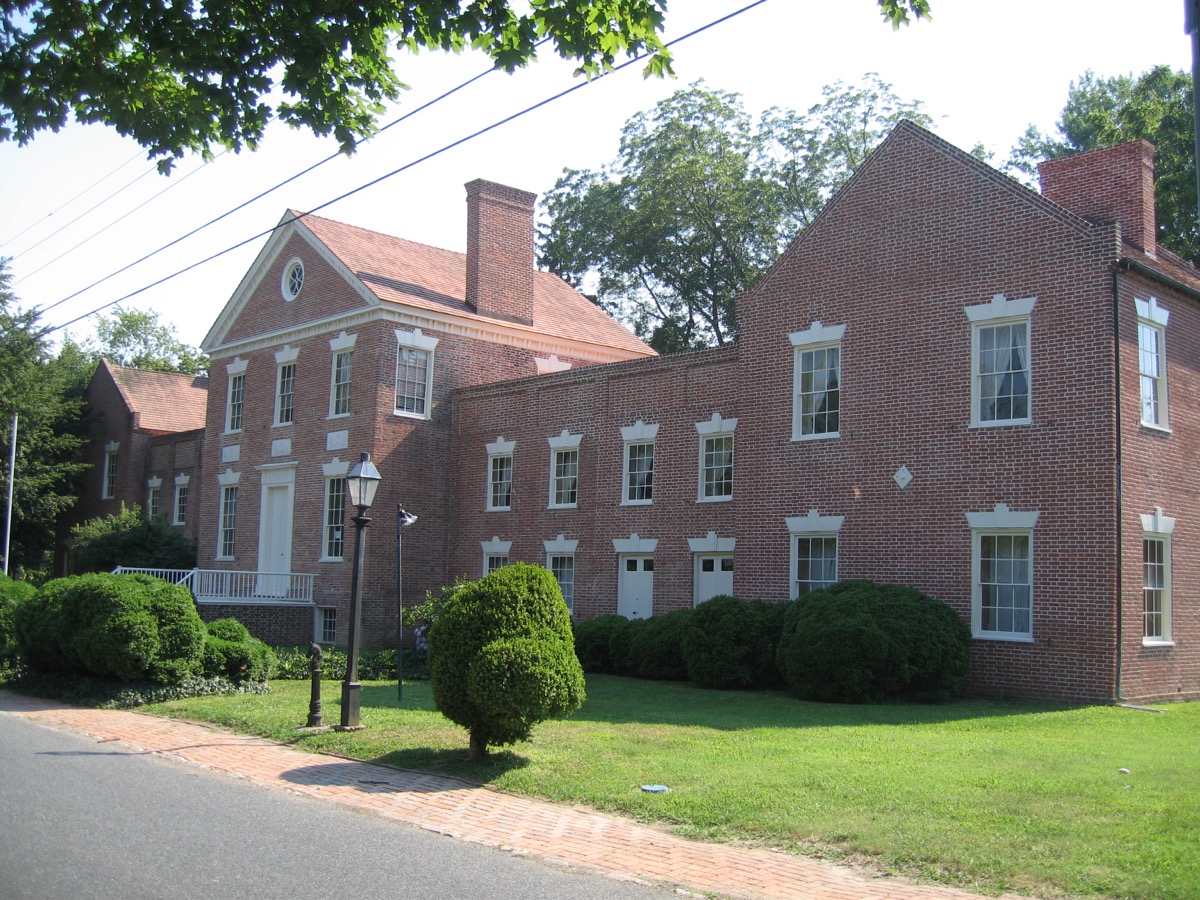
The house itself is the oldest building in Salisbury, begun around 1795. Major Levin Handy started an ambitious Federal-style home and ran out of money before he finished it. Dr. John D. Huston, the town's first surgeon, bought the unfinished shell in 1805, completed it, and ran his medical practice from the rooms — making the place, in effect, Salisbury's first hospital. He lived there until he died in 1828. It joined the National Register in 1971 and is a city-owned house museum today.
Sara is not the only one said to remain. An enslaved man named Samuel, recorded in Huston's 1828 estate inventory at a value of $250, is described as keeping to the basement, humming while he tends the house, tolerating family and wary of strangers. The board chair once put it plainly: "Many of the ghosts here are quite happy and pleasant, except for Samuel."
The children stayed too. The accounts place them in the children's room and name some as Huston daughters, one of them called Sally. A paranormal group ran a recorder in that room with no children present, and the curator says they caught a little girl's voice on the tape: "Mama, mama, are you there, mama can you hear me?" Visitors on tours have reported a shadow figure in the same bedroom, and a small rocking chair found turned to face the wall. Dr. Huston himself is said to descend the main staircase still appearing to carry his medical bag.
The museum insists none of them mean harm — positive energy, nothing malicious, is how the staff frame it. The protocol it posts for investigators reads less like a warning than a house rule: no antagonizing, no profanity. You are a guest in their home.