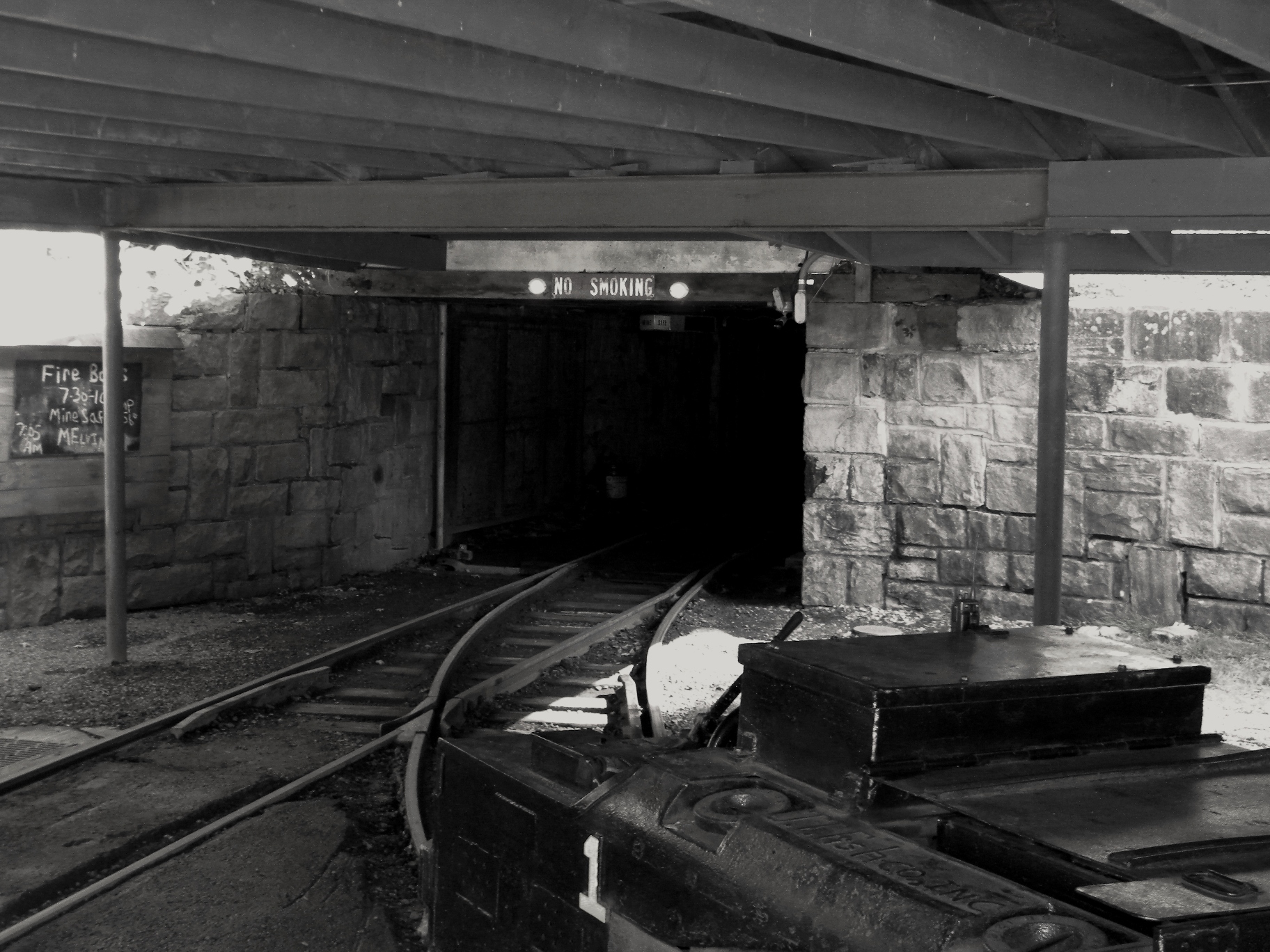
A real 1889 coal mine in Beckley converted into America's first coal mining museum, where tour riders report hearing pickaxes in silent seams, seeing carbide lamp glow in empty passages, and feeling watched from branching tunnels that have been dark for seventy years.
The temperature inside the Phillips-Sprague Mine is 58 degrees. Every day, every season, year after year since 1889. Bring a jacket.
Beckley's Exhibition Coal Mine is the first historic site in the United States built specifically to teach people about coal mining. Visitors ride through 1,500 feet of restored passageways along 3,000 feet of vintage track in a man car that holds 35 passengers. The guides are veteran miners. They'll tell you about widowmakers (petrified tree stumps embedded in the ceiling that fall without warning and crush whoever is underneath) and about the daily arithmetic of risk that defined life in southern West Virginia's coalfields.
The mine opened around 1889 and began producing coal commercially in 1906. For nearly fifty years, men went down into these tunnels and brought up the rock that powered American industry. The mine closed in 1953 when the Raleigh County seam was largely exhausted. The City of Beckley bought the property and turned it into New River Park, with the mine as its centerpiece, opening to visitors in 1962.
Here is where the story gets interesting. Coal mining in Raleigh County killed men with brutal regularity. Explosions, roof falls, gas, and the slow suffocation of black lung claimed thousands across the southern West Virginia coalfields during the industry's peak decades. The Phillips-Sprague Mine's specific casualty records are incomplete, but the broader area was the epicenter of the state's coal boom, and fatal accidents were not exceptions. They were the cost of doing business.
Tour riders in the deepest sections of the mine, where the cars slow to navigate tight turns, have reported the distant ring of pickaxes on coal. Rhythmic, steady, the unmistakable cadence of men working seams that have been silent for over seventy years. Others describe catching the faint glow of a carbide lamp in a side passage where no guide has gone. The sensation of being watched from branching tunnels that fade into total darkness comes up often enough that the guides seem unsurprised when asked about it.
Theatre West Virginia runs annual haunted events in the mine (the Cursed Coal Mine, Maniac Mine), transforming the tunnels into theatrical horror each October. But crew members who set up and tear down the productions have noted that not everything that happens underground is part of the show. Equipment shifts between sessions. Sounds echo from sections that are closed off and physically inaccessible. The darkness underground, they've said, has a weight to it.
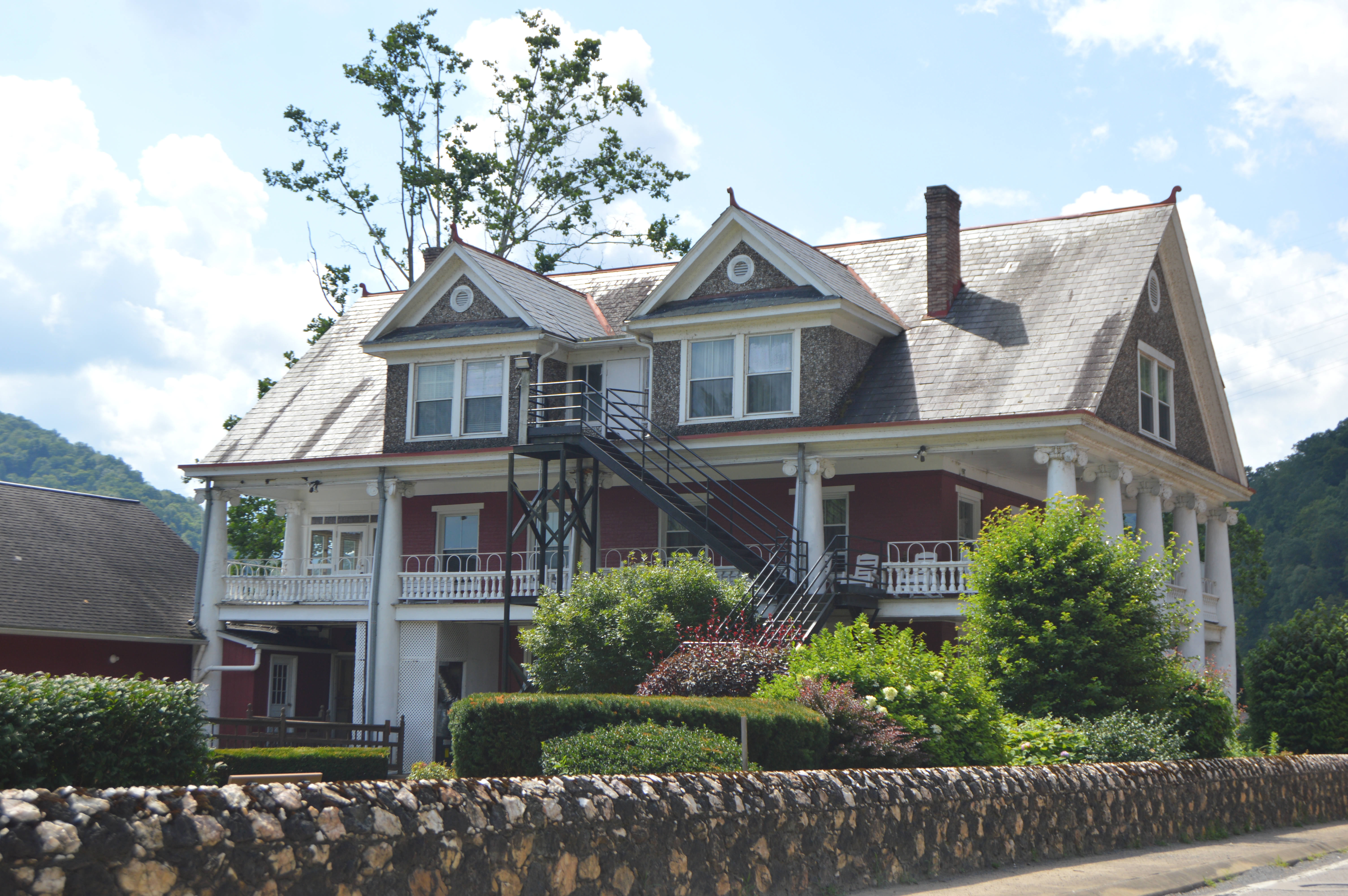
About 48,000 people visit the mine each year. The reconstructed Coal Camp on the surface (Company House, Superintendent's Home, church, school) recreates the total world mining built, where life and death were separated by a few hundred feet of rock. The mine is worth visiting for the history alone. The possibility that some of that history is still working the night shift is a bonus.