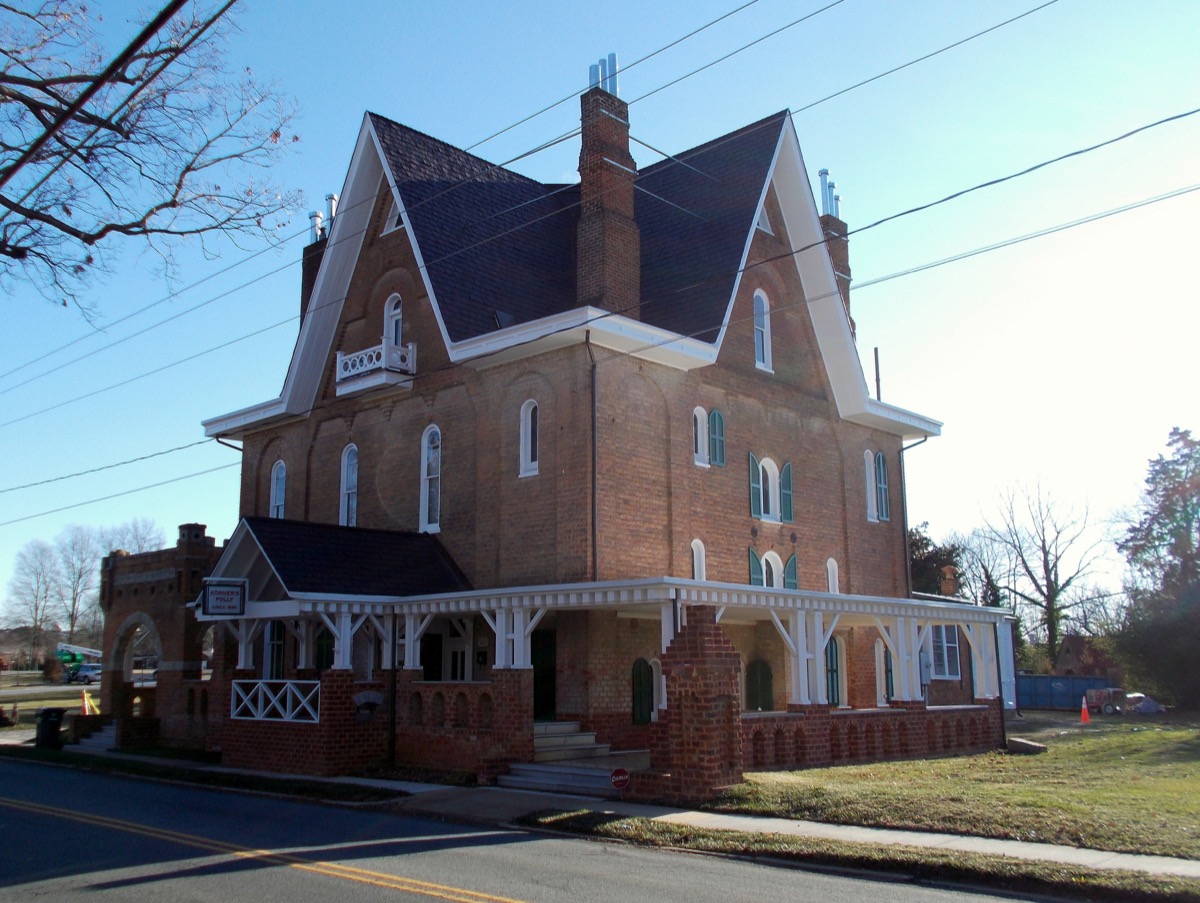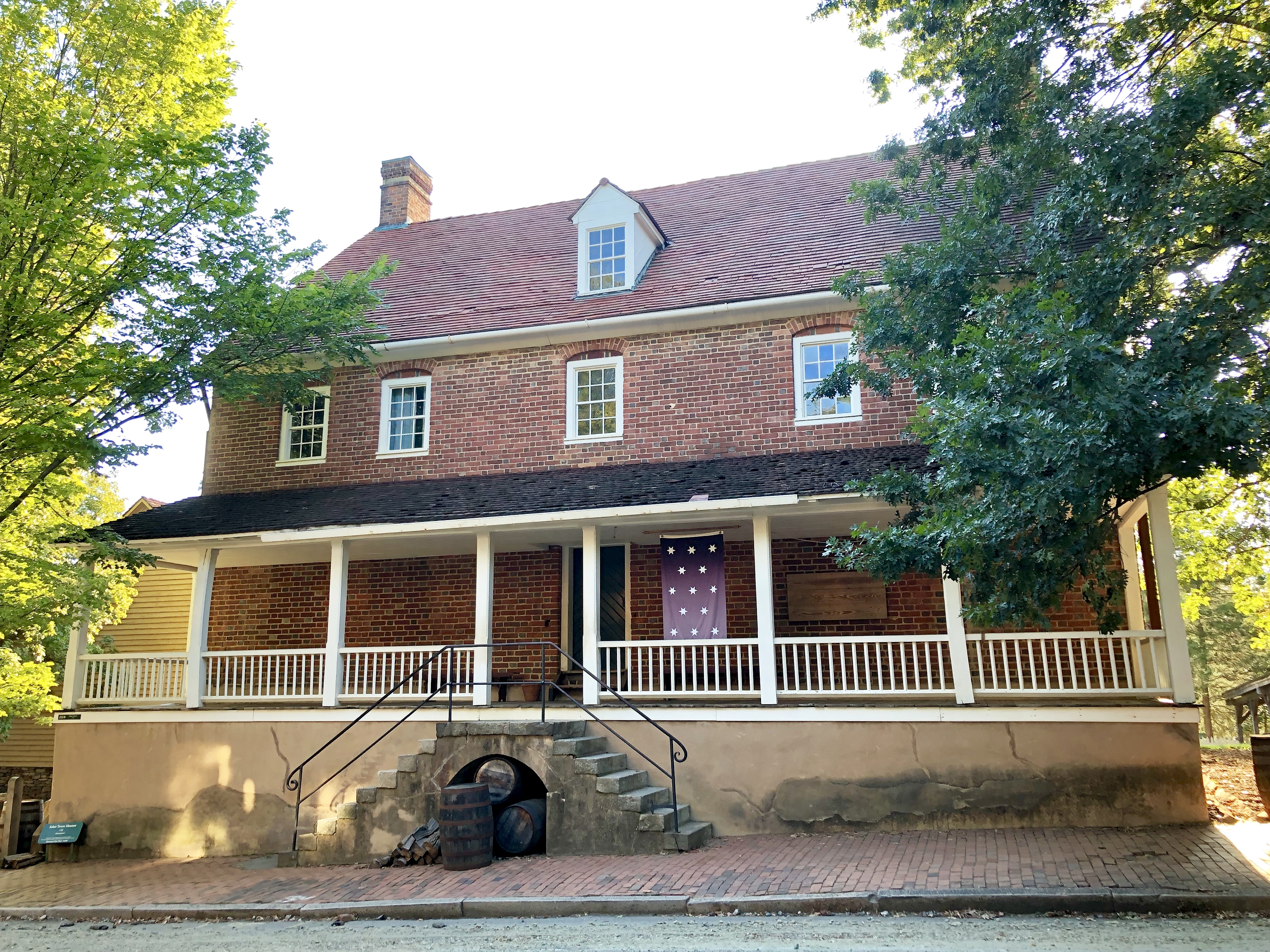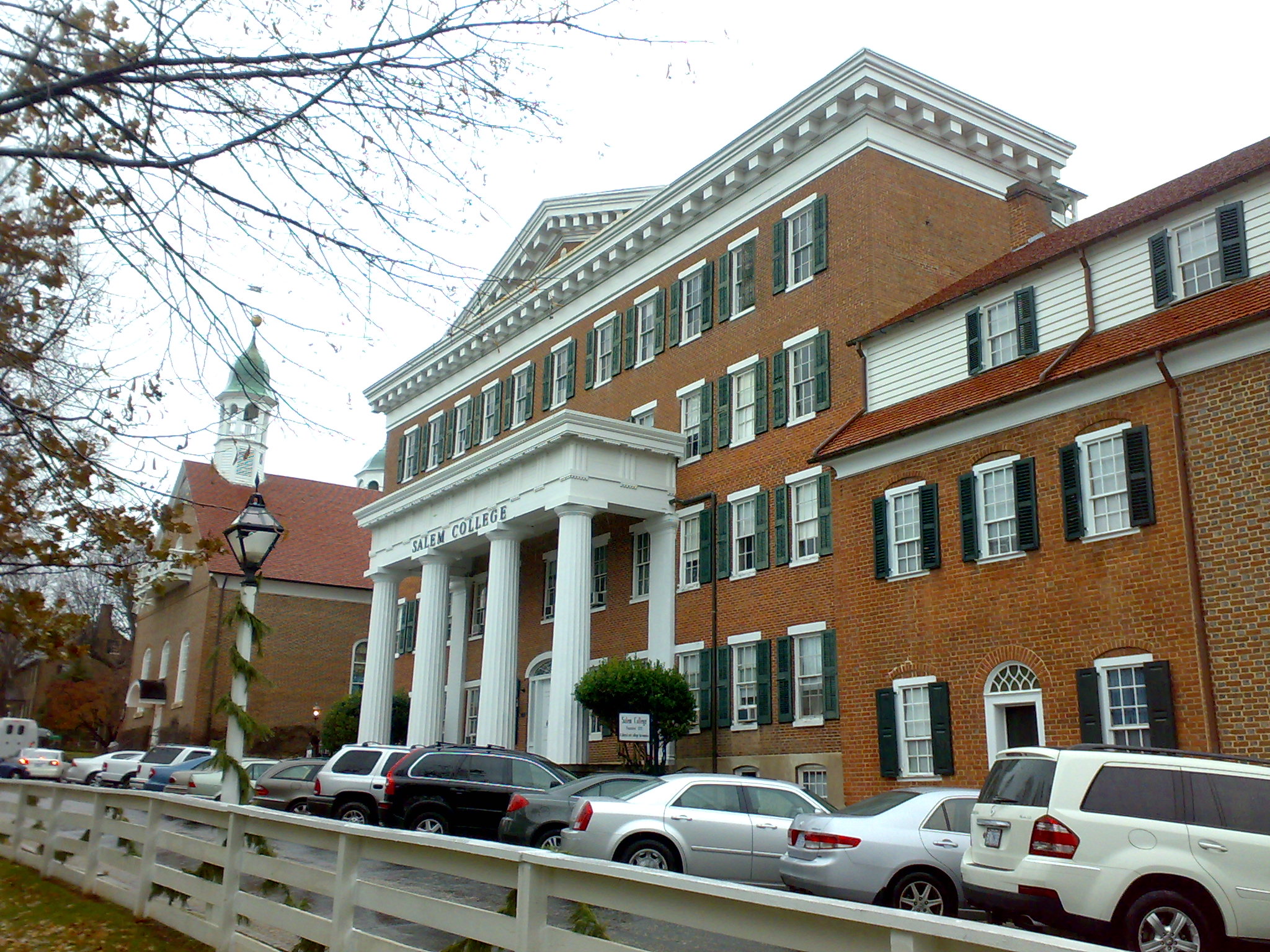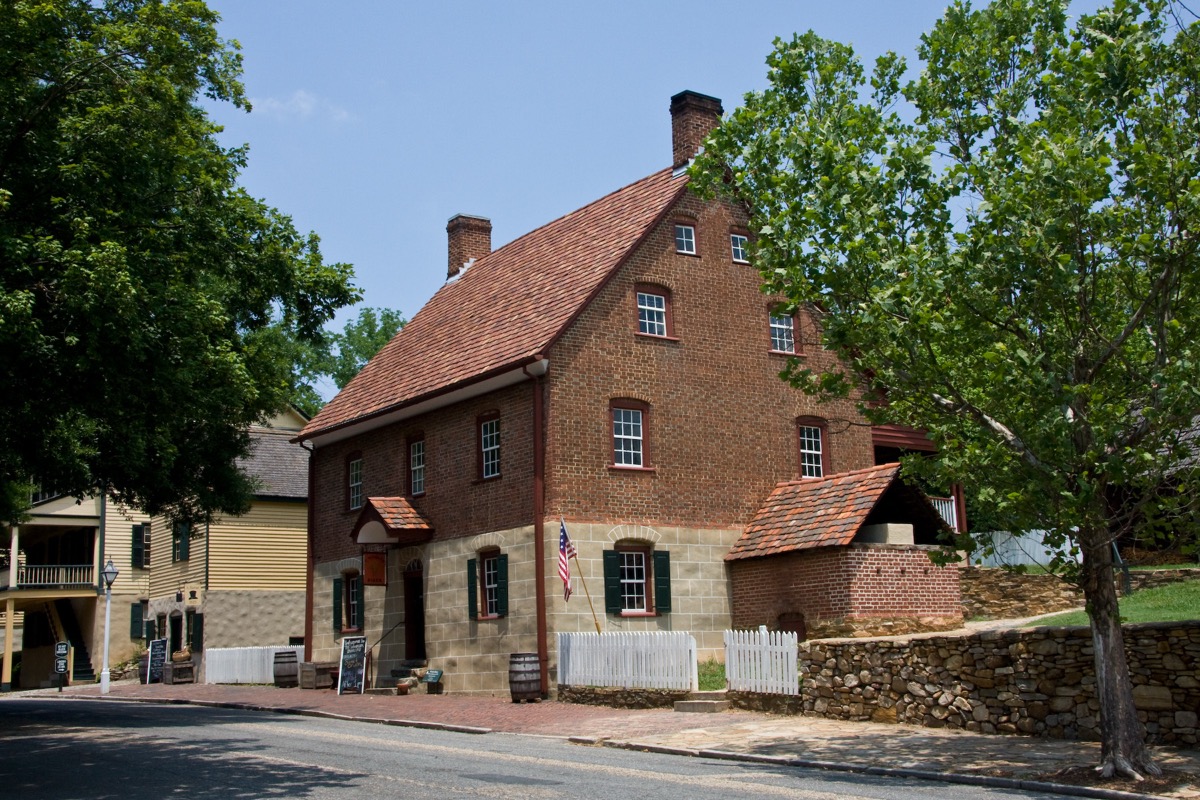
At the Single Brothers House in Winston-Salem, North Carolina, people hear a shoemaker's hammer tapping up from the cellar and glimpse a small man in a red cap. He's a real man, buried alive there in 1786 — and his own church wrote down that he was no ghost.
The Single Brothers House in Winston-Salem, North Carolina has a ghost the staff call the Little Red Man — a small figure in a red cap who darts down the halls, and a tapping like a shoemaker's hammer that rises up out of the cellar. The unusual thing about him is that you can look him up.
His name was Andreas Kremser. The house was built in 1769 as the dormitory and workshop for the unmarried men of the Moravian congregation here, where they lived together and learned their trades. Kremser was one of them, a shoemaker, short enough that the congregation also handed him the chimney-cleaning. On the night of March 25, 1786, he was digging out a cellar for a new brick addition to the house. The men were undermining a bank of loose, sandy soil. They'd been warned the ground was bad. The bank came down and buried him completely. They dug him out alive, hours later, with a broken leg, and he died of his injuries before the next morning was old.
The tapping started after that — the tap, tap, tap of a hammer hitting leather, coming up from the cellar where he'd died. So did the small man in red, glimpsed moving through the halls he'd worked in. He'd been wearing red when the bank came down, and the name settled onto him from there.
The detail that keeps the story off the folklore shelf came later, when the house had become a residence for widows. A girl known only as Little Betsy was living there with her grandmother. She had been deaf since a childhood illness and had only just learned to speak, and she knew nothing of any legend. One day she described a small man in a red cap who had beckoned her to come and play.
The sightings are said to have stopped after the figure appeared in the cellar before a prominent townsman, and a visiting minister was brought in to lay the ghost to rest. He has not been seen since, the story goes.
The Moravians wrote everything down, which is how we have the date, the burial, and the irony. A footnote in their own church records, kept by archivist Adelaide L. Fries, says Kremser's death "gave rise to the tradition of the Little Red Man of the Brothers' House, though in fact it offers no foundation for a ghost story."
The church buried the man. Then it buried the ghost.