In 1941, Sally Hemings' room at Monticello was converted into a men's bathroom. Archaeologists rediscovered it in 2017.
In 1941, the room where Sally Hemings lived as an enslaved woman at Monticello was converted into a men's bathroom. It stayed that way for 76 years. Archaeologists at the Thomas Jefferson Foundation began excavating it in February 2017, and the public can now walk into it. The space is 14 feet 8 inches by 13 feet. No windows. Brick floor. A fireplace. It sits directly off the South Wing passageway, one wall away from Jefferson's bedroom.
That single detail is the haunting. The house didn't lose this room. It buried it.
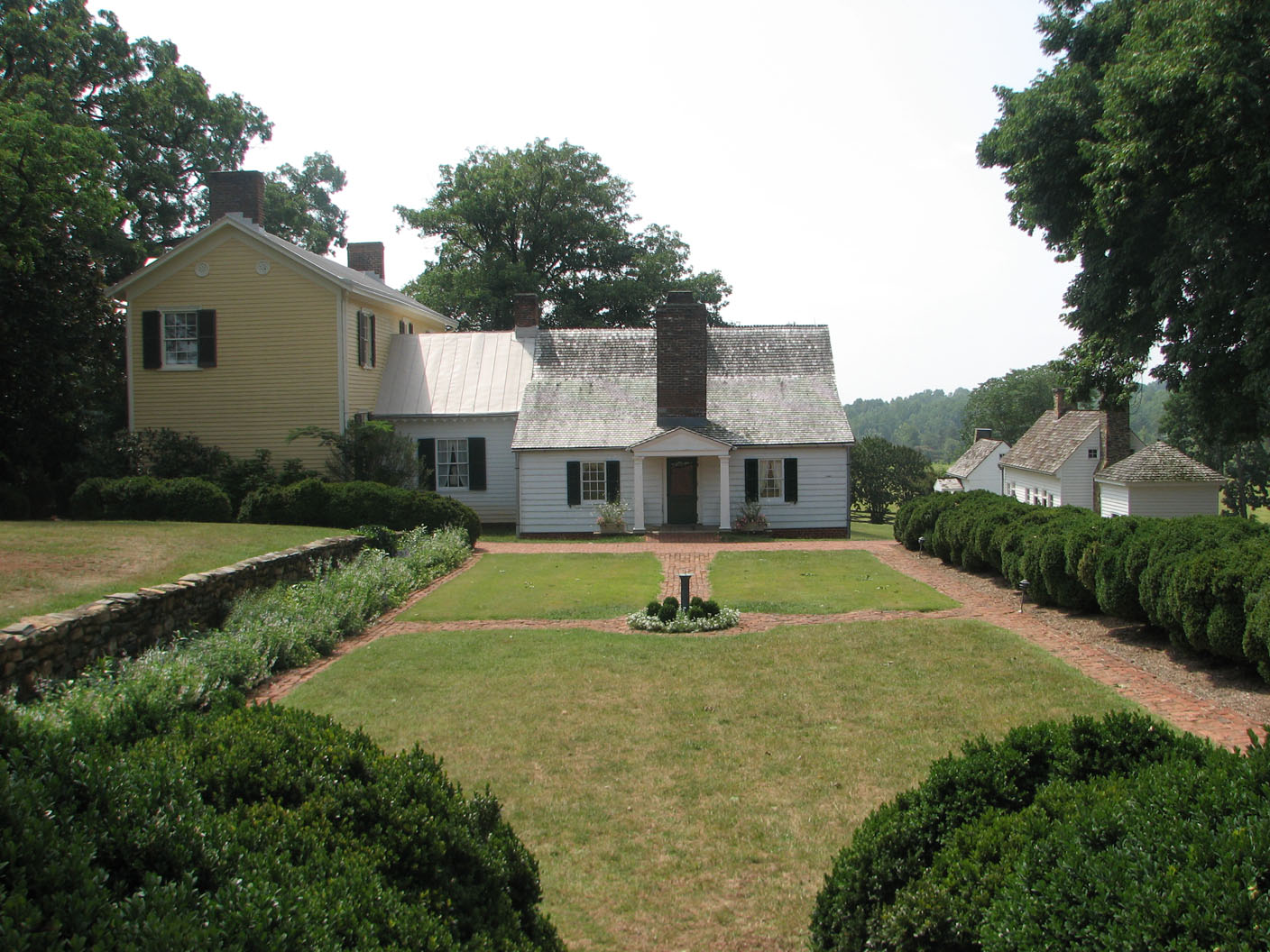
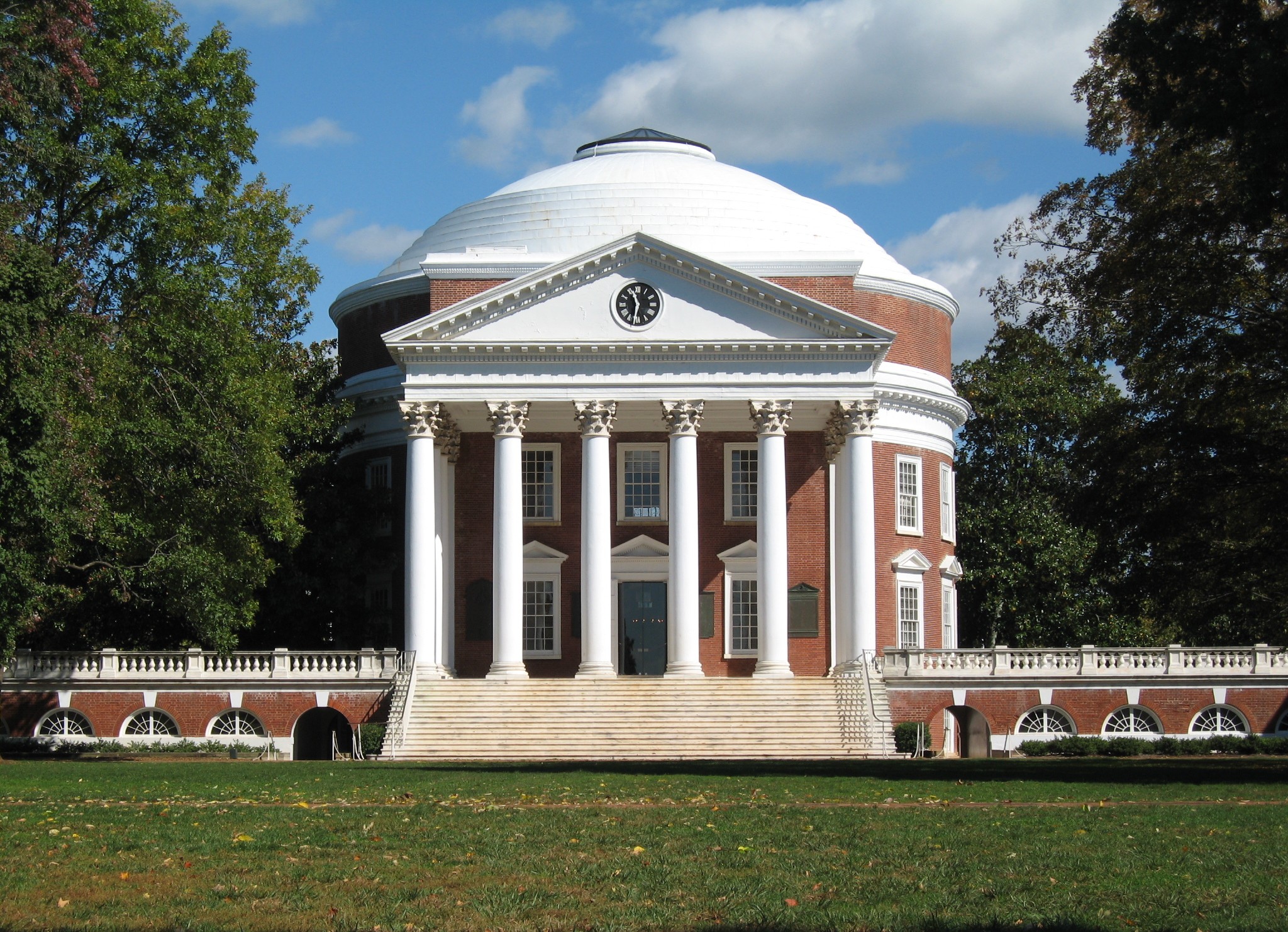
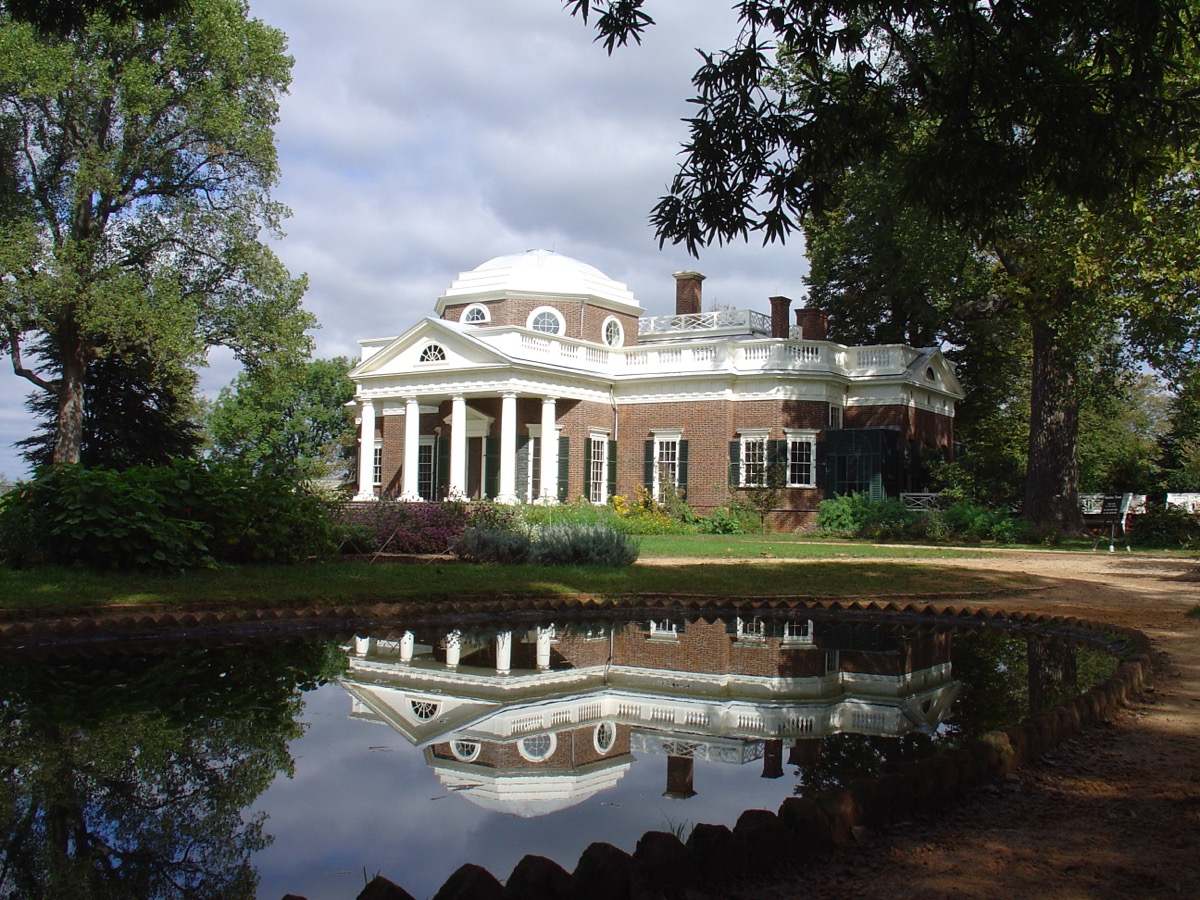
Jefferson started building Monticello in 1768 and didn't stop reworking it until 1809. He moved into the South Pavilion in 1770 while construction was still raw, then tore most of his first design down and tripled the rooms from 8 to 21, adding a dome modeled after Rome's Temple of Vesta. It was the first dome on an American house. From the outside the building reads as a graceful, single-story villa. It's actually three stories. The upper floors are hidden behind a deliberate optical illusion, and the working parts of the house (kitchens, ice house, dairy, storerooms, and the quarters of enslaved domestic workers) were buried under the terrace walkways, out of sight from the lawn.
The dining room is the cleanest example of what Jefferson was after. On both sides of the fireplace, narrow dumbwaiters were concealed behind panels. Enslaved workers in the wine cellar loaded bottles into a shaft, a butler upstairs pulled them up, and Jefferson could insert an empty bottle and produce a full one without anyone visible doing the labor. A revolving door fitted with semicircular shelves let kitchen staff pass hot plates into the dining room and take used ones away without ever entering the guests' sightline. A long tunnel ran beneath the house. Workers carried food, ice, beer, wine, and linens through it while dinner happened over their heads.
"Jefferson never reconciled those two sides of himself," the architectural historian Mabel O. Wilson has said, "his democratic ideals of freedom and equality and his position as a slave owner, and his architecture tells us this."
More than 400 enslaved people lived and labored at Monticello during Jefferson's lifetime. The Getting Word oral history project, founded in 1993 to record the family histories of their descendants, has now documented over 610 individuals enslaved by him in total. Mulberry Row, the 1,300-foot stretch along the road that wrapped the house, held more than 20 workshops, dwellings, and storage buildings. The nailery there was running by 1794 with a dozen boys aged 10 to 16 making nails. Jefferson kept a farm book. One entry reads: "children till 10. years old to serve as nurses. from 10. to 16. the boys make nails, the girls spin."
In June 2018, the Thomas Jefferson Foundation issued a public statement calling the Jefferson-Hemings relationship "a settled historical matter" and accepting that Jefferson fathered Sally Hemings' children. That same year, the rediscovered room opened to the public. Fraser Neiman, the Foundation's director of archaeology, framed the work this way in 2017: "We are trying to get folks to think about Sally and James Hemings as people with full lives, rather than just ciphers to Thomas Jefferson."
Jefferson himself died upstairs on July 4, 1826, at 12:50 PM, the fiftieth anniversary of the Declaration of Independence. He was 83. The night before, lucid enough to refuse a final dose of laudanum, he asked his physician Dr. Robley Dunglison, "Is it the Fourth?" Dunglison answered that it soon would be. John Adams died about six hours later in Massachusetts, never knowing Jefferson had gone first. Six months after the funeral, in January 1827, 130 of the people Jefferson had enslaved were sold at auction to pay his debts.
The actual ghost stories at Monticello are, in a strange way, the least documented part of the place. The Thomas Jefferson Foundation does not list any hauntings on its website. The closest the official institution comes is an academic talk on "haunted ontologies," which is about the afterlife of slavery as a concept, not anything you'd see on a tour. There is no documented investigation by a named team with published findings. Hans Holzer apparently included Monticello in his 1997 book "Ghosts: True Encounters with the World Beyond," but the chapter has been hard to verify from primary excerpts.
What exists is a thick file of anonymous visitor submissions on paranormal aggregator sites. Treat them as folklore. Several accounts describe a tall, thin man with sandy-red hair and a long black coat walking the gardens near a watch-post, disappearing when looked at directly. Others mention phantom whistling on the grounds, which would track with Jefferson's well-documented habit of whistling on his daily rides, if any of it could be verified. A woman in a white dress is sometimes reported near the slave quarters and vegetable garden. Visitors who don't know her name sometimes call her Sally. There is no evidence either way. Multiple submissions describe the parlor as the worst room in the house for nausea, faintness, and a brief loss of sight or hearing, and several mention sudden hair-tugging while exiting Jefferson's bedroom. Near the distillery, visitors have reported hearing whispered names (Lewis, Adams, Ben, Cecilia) and a tune that sounds like "Rosin the Bow."
None of these accounts come with a name, a date, or a way to cross-check. They are what they are.
What is verifiable is the burial ground. About 40 enslaved African people are buried on the property in graves that the Thomas Jefferson Foundation rediscovered just over two decades before the site's 2022 rededication. The space was first commemorated in the fall of 2001. NAACP chairman Julian Bond spoke that day. The enslaved had been buried there as property, he said, "but we honor them as people."
Monticello was designated a UNESCO World Heritage Site in 1987, jointly with the University of Virginia. It remains the only private home in the United States to hold that listing. You can stand in the dining room and run your hand along the panel that hides the dumbwaiter. You can walk through the tunnel. You can go into the 14-by-13 room with no window and read the placard.