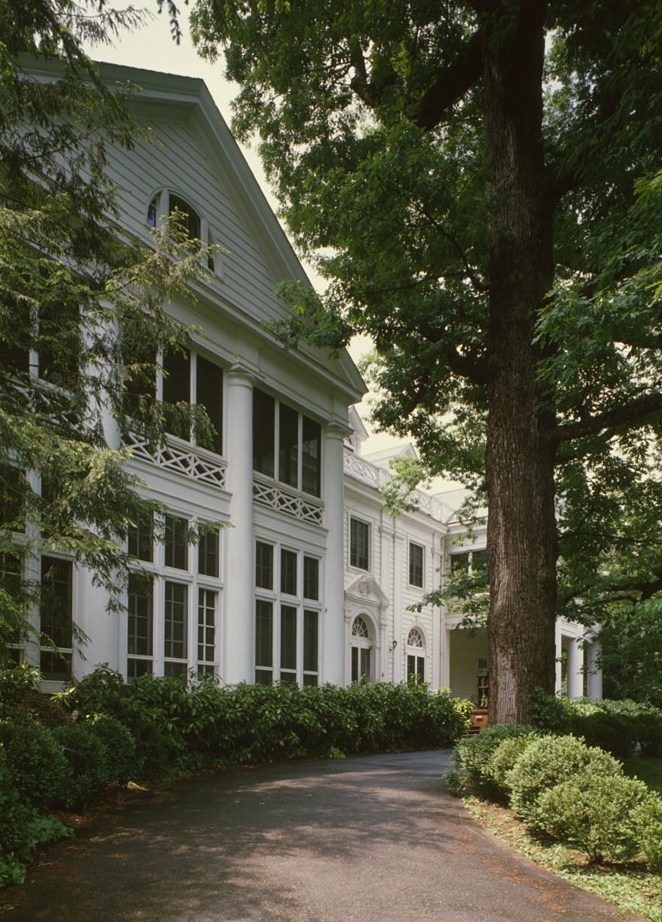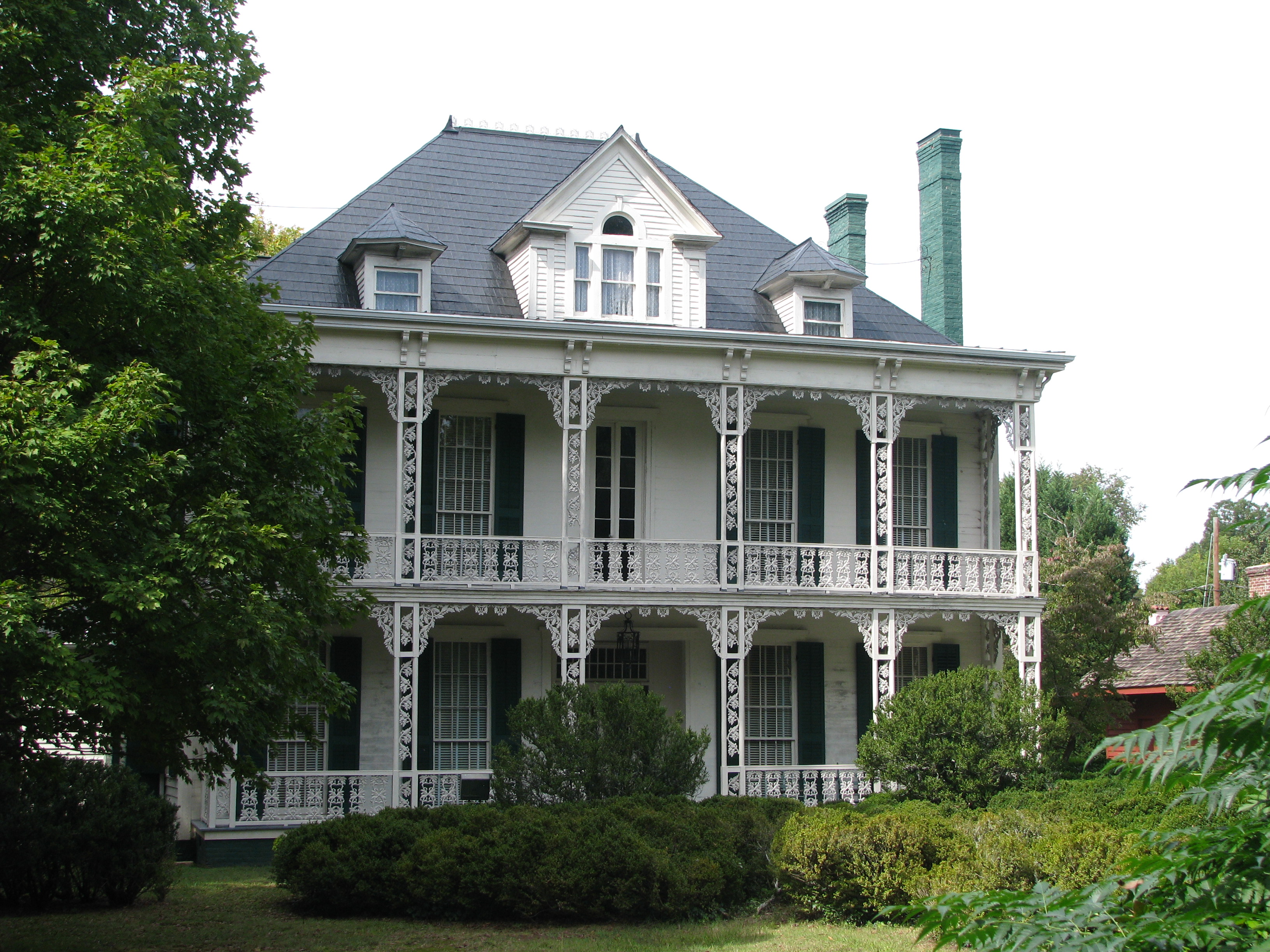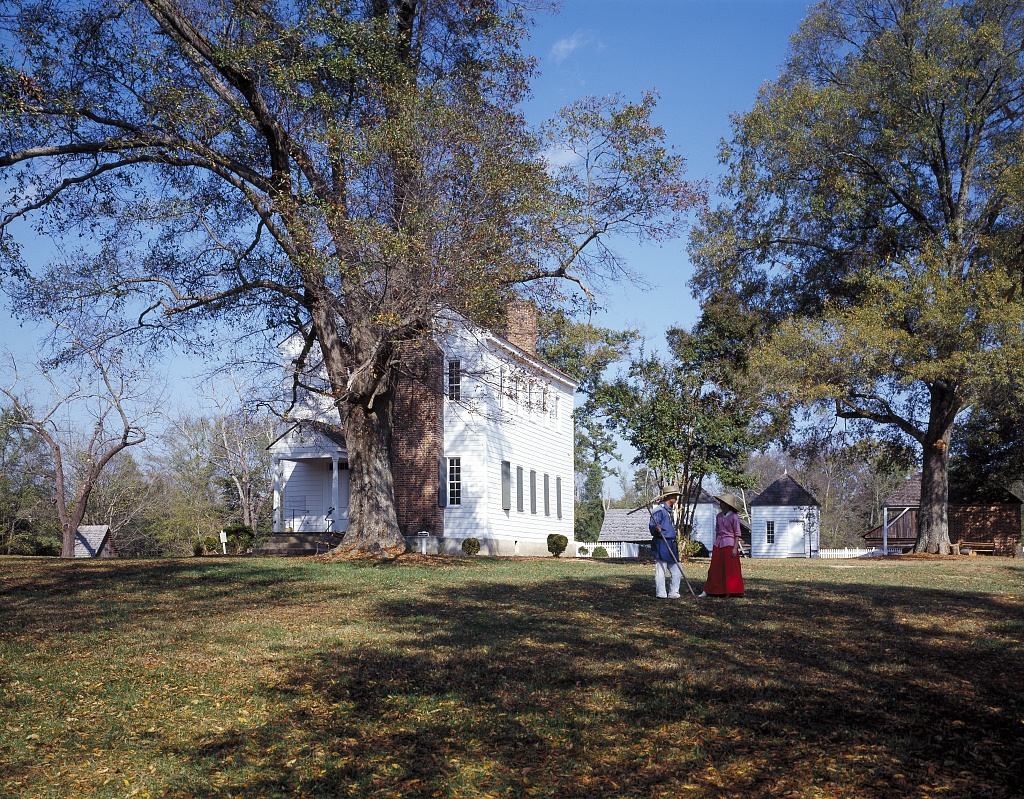
At Latta Place outside Huntersville, North Carolina, the most-reported sound is children laughing and running in the attic. What makes it strange is the attic itself, where the third floor is open joists with no subfloor, nothing a person could walk on.
The strangest thing reported at Latta Place, a Federal house built around 1800 outside Huntersville, North Carolina, happens in a room with no floor. The third story is open framed joists with no subfloor laid across them, no surface a person could stand on. And the sound people there report most often is children up there: laughing, running, slamming doors, pushing toys across boards that don't exist. Whatever crosses that attic crosses bare framing in the air.
A traveling merchant named James Latta, born in Ireland, built the house and later worked the land as a cotton plantation. Records for its peak around 1820 count 34 people enslaved there; recent county research has documented 65 across the property's full history. After Latta died in 1837 the place passed through other families, fell empty by the 1950s, and was eventually restored. Mecklenburg County owns it now.
The attic isn't the only thing told about the house. During one tour, the story goes that a cane slipped from a docent's hand and, instead of clattering to the floor, stood upright and crossed the room "as if being used by an unseen hand." An employee heard a crash from the old family parlor and found a mirror lying face-down in the center of the room, uncracked. Staff describe shadowy figures drifting through the rooms and grounds, and the sound of furniture dragging in spaces they can plainly see are empty.
What's notable is who's telling it. This is a county museum, not a haunted attraction, and its own people are the witnesses. Site director Matthew Waisner says he has never experienced any of it himself. But docents, volunteers, and board members have been, in his words, "very upfront with their experiences." He reads the activity as the Latta family, still there, and he's clear the house has "never felt ominous, or violent by any means." Staff and visitors tend to land in the same place: the spirits are the family, and they aren't evil.
The site closed in June 2021 after a controversy over a planned Juneteenth event, and the county ended its contract with the nonprofit that ran it. Mecklenburg County is now spending $11.2 million to preserve the house and reinterpret the grounds, renaming the site Latta Place, with reopening projected for around 2026. The family it's named for, by every account from the people who worked there, never left the floor that was never built.