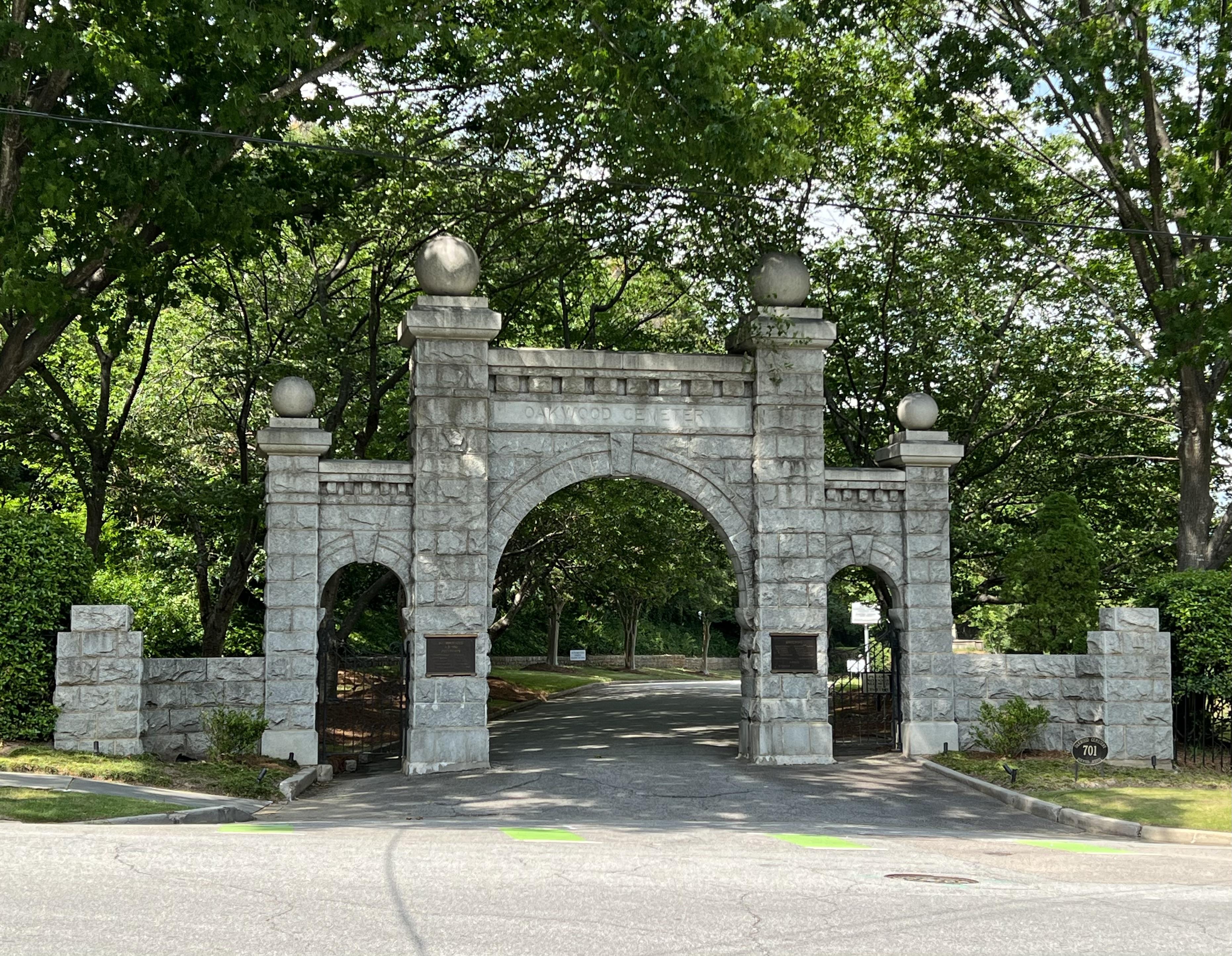
At Oakwood Cemetery in Raleigh, North Carolina stands a marble angel carved in the likeness of a real woman's face. Teenagers have made midnight visits to it for decades, certain her eyes follow them and her head spins around at midnight on Halloween.
At Oakwood Cemetery in Raleigh, North Carolina, there is a life-size marble angel that local teenagers have been visiting at midnight for decades. They go because of what they say the statue does. Her eyes follow you as you walk past. She'll turn her head toward you at night. She'll flutter her wings if she likes you. And at midnight on Halloween, the story goes, her head spins around a dozen times.
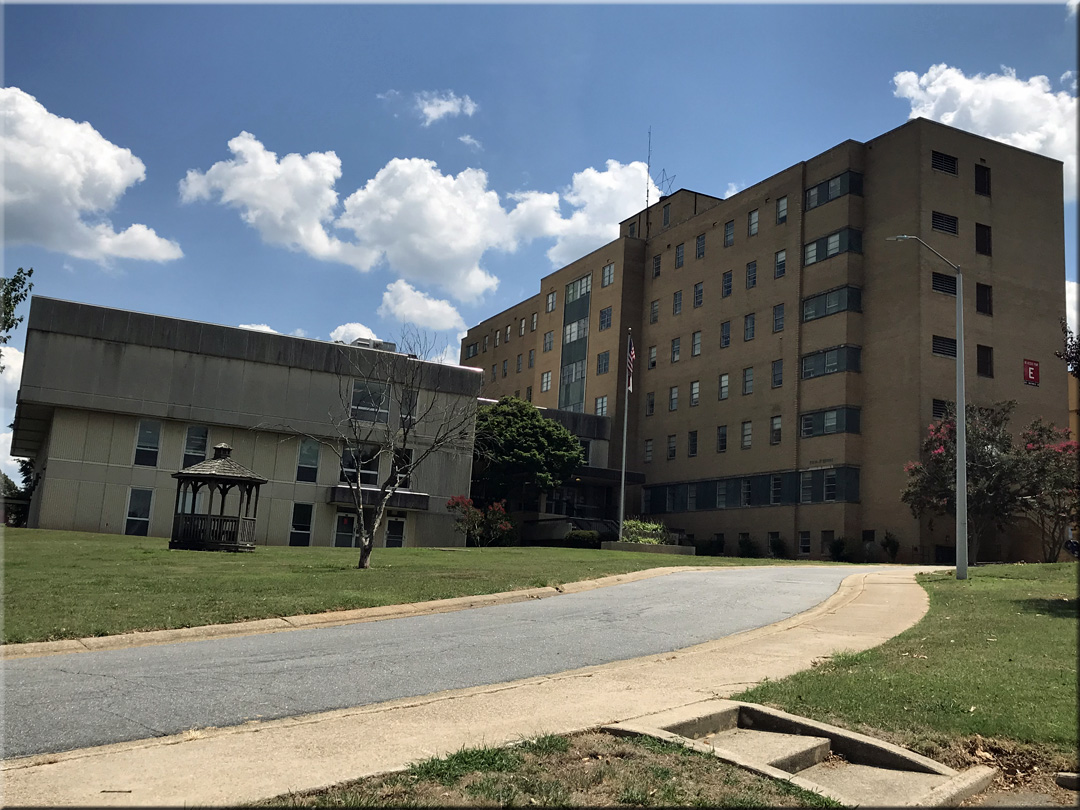
She marks one grave. Etta Rebecca White Ratcliffe was born in 1880 and died in 1918, at 38, of a cerebral hemorrhage that came after a month committed at Dorothea Dix Hospital. Her husband had the angel carved in Italy from marble, sculpted to resemble Etta's actual face, down to the eyes.
That last detail is the whole of it. The figure looks like a specific dead woman, and a stone face that real reads as a watching one.
As the story is told, the angel had a harder journey than most. The ship carrying it from Italy is said to have foundered and sunk off the coast of Wilmington, and the marble figure spent years on the seafloor before a seaman recovered it and it was finally set on Etta's grave. No record confirms any of that. It survives only in the local telling, which is where the rest of the legend lives too.
The cemetery's executive director, Robin Simonton, has heard all of it, and offers a plainer reason the stories stick. The angel was carved to look like Etta, and a face that lifelike unsettles people in a place full of the dead. "It's also a little unsettling for us in a cemetery, to see a statue that looks like the person," she told ABC11. "It lends itself to urban legend."
Oakwood is no roadside ruin. Founded in 1869, it holds North Carolina governors, five U.S. senators, the coach Jim Valvano, and more than a thousand Confederate dead. Some of those soldiers were brought a long way to lie here: 137 were removed from the Gettysburg battlefield and reinterred at Oakwood in 1871, and another 107 came from Arlington in 1883, laid into two mass graves. People visit those graves by daylight, and the cemetery closes its gates at five.
The angel they come for in the dark, to stand in front of a face carved to look exactly like a woman who has been gone since 1918, and wait to see if it turns toward them.