Iron Goat Trail

Iron Goat Trail

👻 other

Stevens Pass, Washington ยท Est. 1910

About This Location

The site of the 1910 Wellington avalanche that killed 96 people, the deadliest avalanche in U.S. history, now a hiking trail along the old Great Northern Railway grade.

👻

The Ghost Story

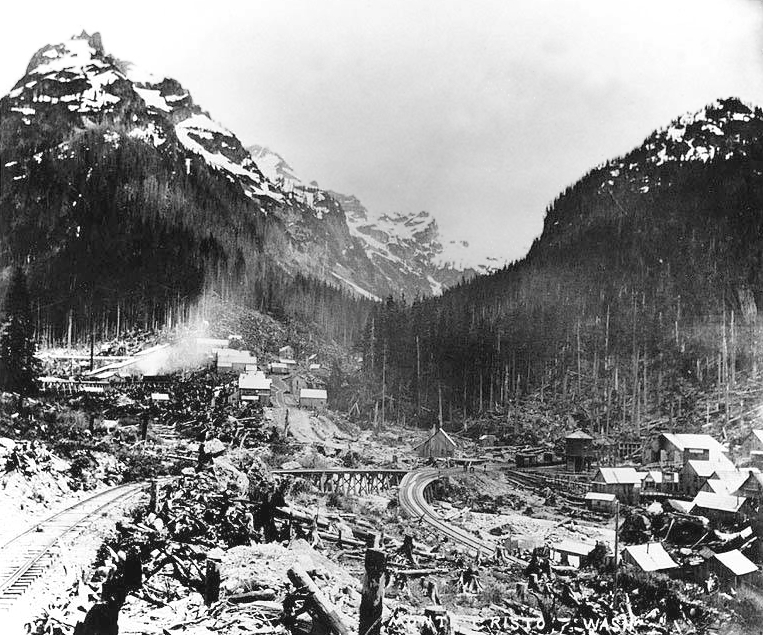
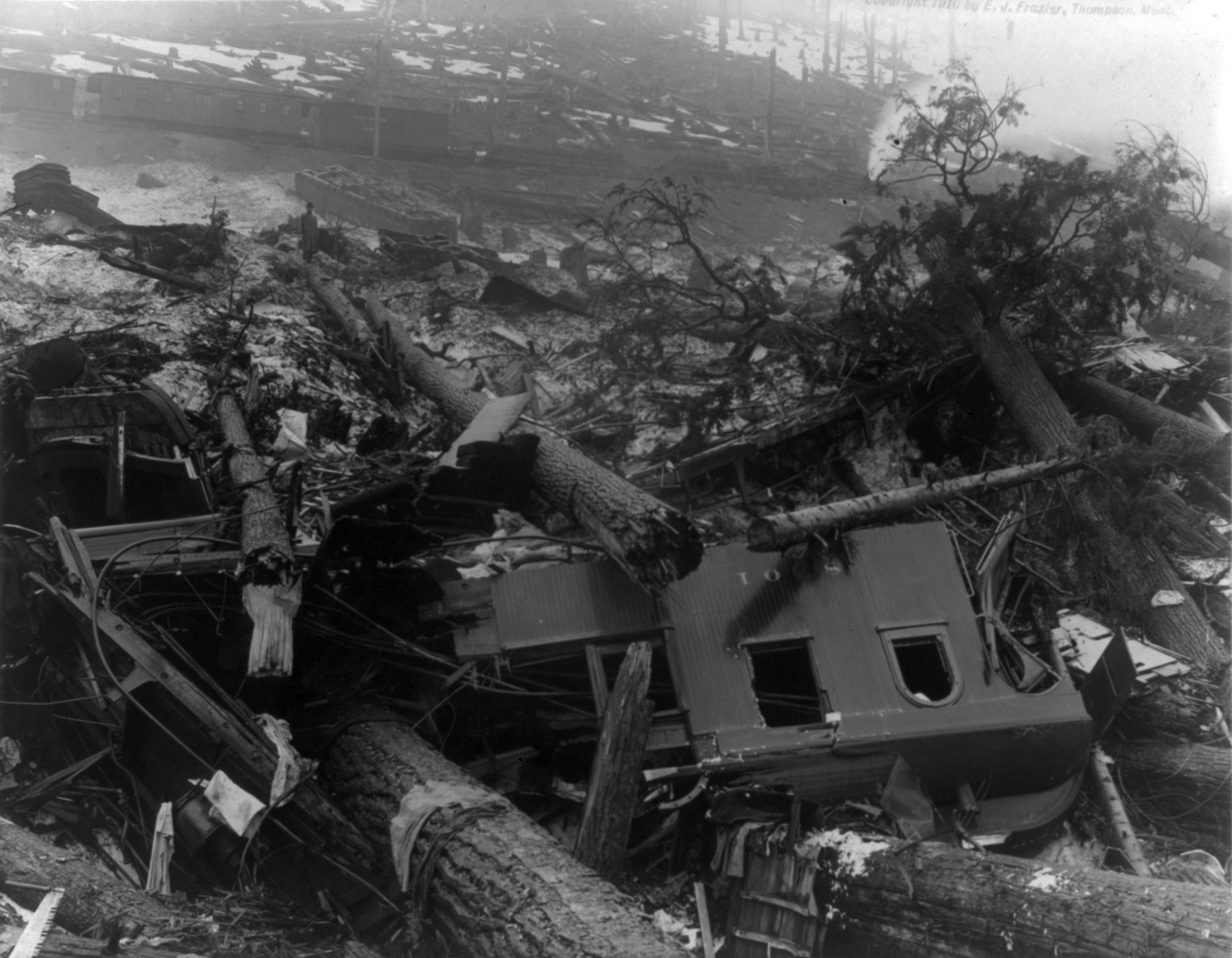
On February 23, 1910, two westbound Great Northern Railway trains -- Spokane Local No. 25 and Fast Mail No. 27 -- passed through the old Cascade Tunnel and stopped at the tiny depot town of Wellington, perched on a narrow ledge at Stevens Pass in the Cascade Mountains. What should have been a brief stop became a six-day nightmare. Blizzards dumped snow at rates of up to a foot per hour, burying the tracks under massive drifts and triggering avalanches that cut off all routes of escape. Telegraph lines went down on February 26, severing communication with the outside world. Trapped passengers engaged in desperate debates about whether to move the trains into the nearby Cascade Tunnel for protection, but superintendent James H. O'Neill refused, citing the tunnel's poor ventilation, freezing darkness, and locomotive exhaust fumes. Two Spokane lawyers, Lewis Jesseph and John Merritt, organized a small escape party and hiked out through the snow to Scenic Hot Springs Hotel two days before the disaster -- a decision that saved their lives.

On the last day of February, the weather shifted ominously. Rain replaced snow, accompanied by thunder and lightning -- a rare and terrifying combination in the mountains. Just after 1:00 AM on March 1, a lightning strike loosened a massive slab from the face of Windy Mountain. A wall of snow ten feet high, half a mile long, and a quarter mile wide broke free and roared downhill toward the tracks. Charles Andrews, a Great Northern employee walking toward a bunkhouse, turned toward the sound and later described what he witnessed: "White Death moving down the mountainside above the trains. Relentlessly it advanced, exploding, roaring, rumbling, grinding, snapping -- a crescendo of sound that might have been the crashing of ten thousand freight trains." The avalanche swept both trains off the narrow ledge, hurling them 150 feet down into the Tye River valley and burying everything under forty feet of snow.

Ninety-six people perished: thirty-five passengers, fifty-eight railroad employees sleeping on the trains, and three railroad workers in nearby cabins -- making it the deadliest avalanche in United States history. Only twenty-three survivors were pulled from the wreckage. Among the most harrowing rescues was that of Ida Starrett, a young Spokane widow traveling with her three children. She was thrown from the mangled car, knocked unconscious, and awoke facedown in the snow with a massive tree trunk pinning her back. Her infant son Francis was trapped beneath her abdomen. She could feel him breathing and was heartbreakingly aware of the exact moment when his breathing stopped. After eleven hours of frantic digging, rescuers uncovered her face, sawed away the tree trunk, and pulled her out -- the last person rescued alive. Her nine-year-old daughter Lillian was also dead, but her seven-year-old son Raymond survived despite a thirty-inch wood splinter embedded through his forehead, removed by amateur surgery in the Wellington hotel. Nineteen-year-old Alfred Hensel, the only surviving mail clerk from the Fast Mail train, freed himself after being pinned beneath timber. Photographer Asahel Curtis documented the grim recovery, which stretched twenty-one weeks, with the last bodies not found until late July. The dead were wrapped and lowered on toboggans down the slopes to the town of Scenic.

A coroner's inquest ruled the disaster "beyond human control" but cited three points of criticism against the railroad: insufficient coal supplies, low wages for laborers, and the decision to park the trains in an unsafe location. The Great Northern Railway constructed a 2,463-foot concrete snowshed at the disaster site -- the only all-concrete snowshed the railroad ever built -- and quietly renamed Wellington to Tye to escape the name's painful associations. When the new seven-mile Cascade Tunnel opened in 1929 at a lower elevation, bypassing Wellington entirely, the town was abandoned. Six years earlier, on January 22, 1916, another avalanche near Corea station seven miles west had killed eight more passengers, reinforcing the mountain's lethal reputation.

Today the old railroad grade is the Iron Goat Trail, named for the Great Northern's mountain goat logo, opened in October 1993 through the efforts of volunteers led by Ruth Ittner. Hikers can still find twisted fragments of train wreckage rusting beneath the overgrowth, along with the crumbling foundations of the coal tower, inspection shed, and the entrance to the abandoned original Cascade Tunnel. The trail has earned a fearsome paranormal reputation. The Travel Channel ranked it among the top five scariest hikes in the United States, and ghost hunters consider the avalanche site one of the top three haunted locations in Washington state. Park rangers reportedly refuse to visit the disaster site after dark.

The Northwest Paranormal Investigation Agency, led by researcher Vaughn Hubbard and co-founders Jayme and Bert Coats, has investigated the site nearly weekly since 2004. Hubbard has stated: "I've never been up there where somebody hasn't had some kind of experience and got something on video or audio." The group, which relies strictly on scientific methods with high-tech video and audio equipment rather than psychics or Ouija boards, has documented consistent phenomena including a woman's voice singing and humming as though performing daily chores, and the wandering spirit of a child. Hikers report phantom train whistles where no trains have run for nearly a century, disembodied screams echoing from the old tunnel, invisible hands grabbing at them, oppressive cold spots, and shadowy figures walking along the tracks who vanish when approached. Voices have allegedly imprinted themselves on recording devices inside the tunnel. Medium Jill Dell, documenting a hike for KUOW public radio, claimed to communicate with entities in the tunnel, capturing what she described as a disembodied voice telling her to "piss off." Eighteen of the avalanche's victims are buried together at Mount Pleasant Cemetery in Seattle's Queen Anne neighborhood, including six who were never identified. More than a century after the White Death swept ninety-six souls off a mountain ledge, visitors to the Iron Goat Trail say some of them are still waiting for a train that will never come.

Researched from 12 verified sources including historical records, local archives, and paranormal research organizations. Learn about our research process.

More Haunted Places in Washington

🏨

McMenamins Olympic Club

Centralia

🪦

Maltby Cemetery

Maltby

🏚️

Meeker Mansion

Puyallup

🍽️

Kells Irish Pub

Seattle

🎭

Moore Theatre

Seattle

🏥

Northern State Hospital

Sedro-Woolley

View all haunted places in Washington

More Haunted Others Across America

H.H. Holmes Murder Castle Site

Chicago, Illinois

Stow Lake (The White Lady)

San Francisco, California

Wrigley Field

Chicago, Illinois

Cathedral Park

Portland, Oregon