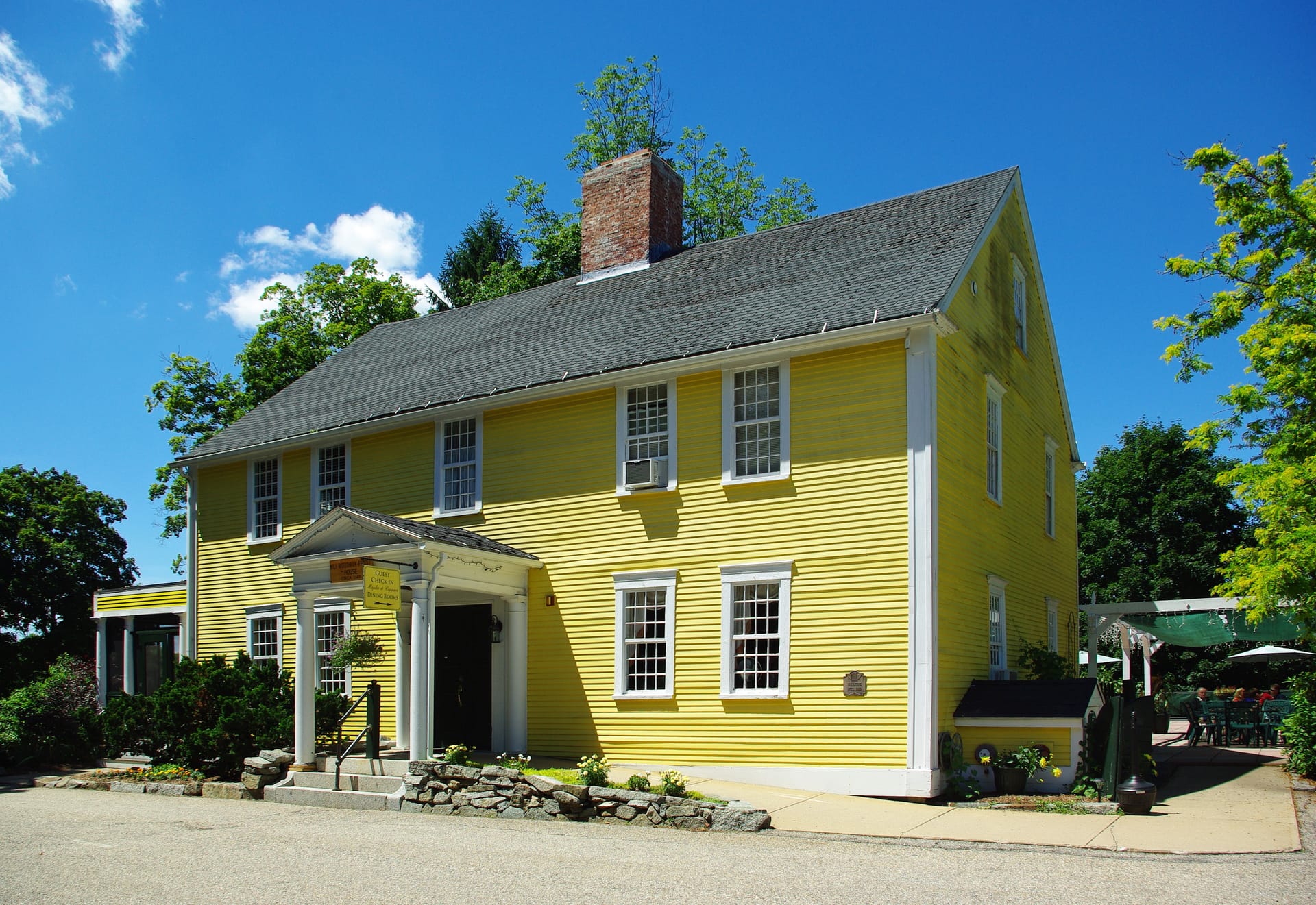
At the Three Chimneys Inn in Durham, New Hampshire, the staff blame their dead outlets and backwards keypads on a ghost named Hannah. She married around 1659 and then vanished from every record. They say the Oyster River took her.
The Three Chimneys Inn in Durham, New Hampshire has a ghost who quarrels with electronics. The staff blame her for outlets that work and then go dead, for keypads that type backwards, for credit-card terminals that scramble a customer's name halfway through a sale. One worker described a printer that kept running for twenty minutes after he'd turned it off and pulled its plug. They call her Hannah, and they say she has never left.
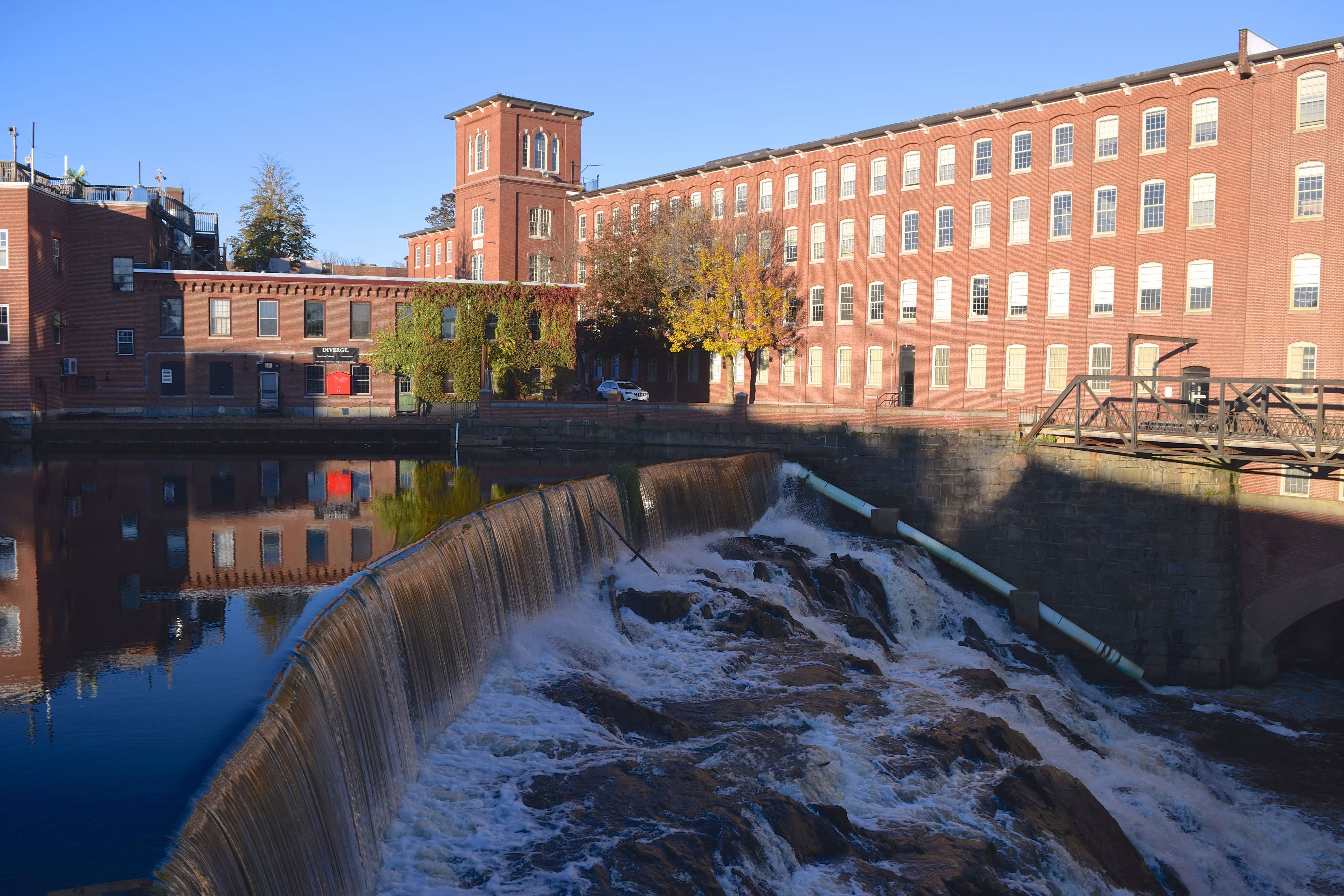
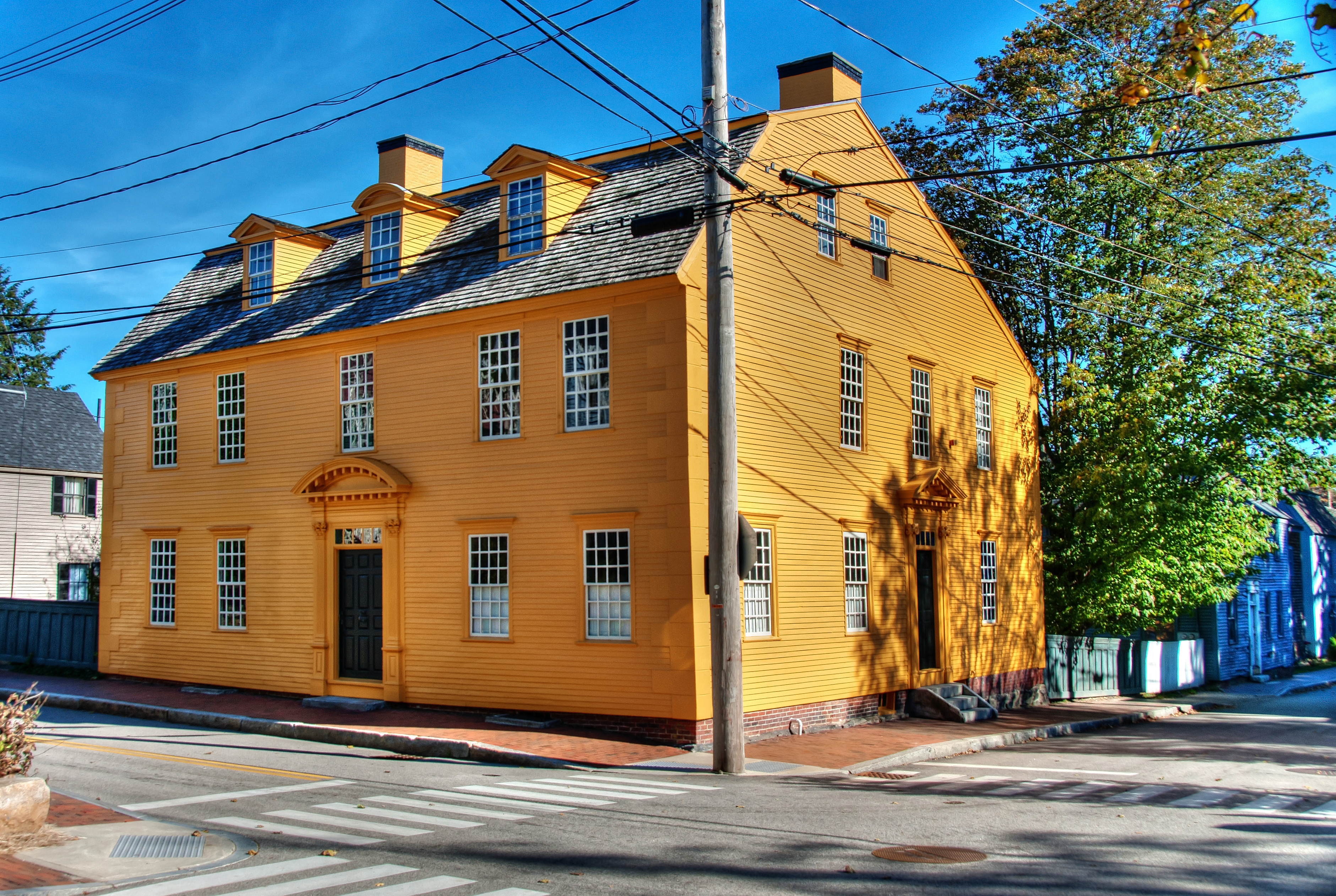
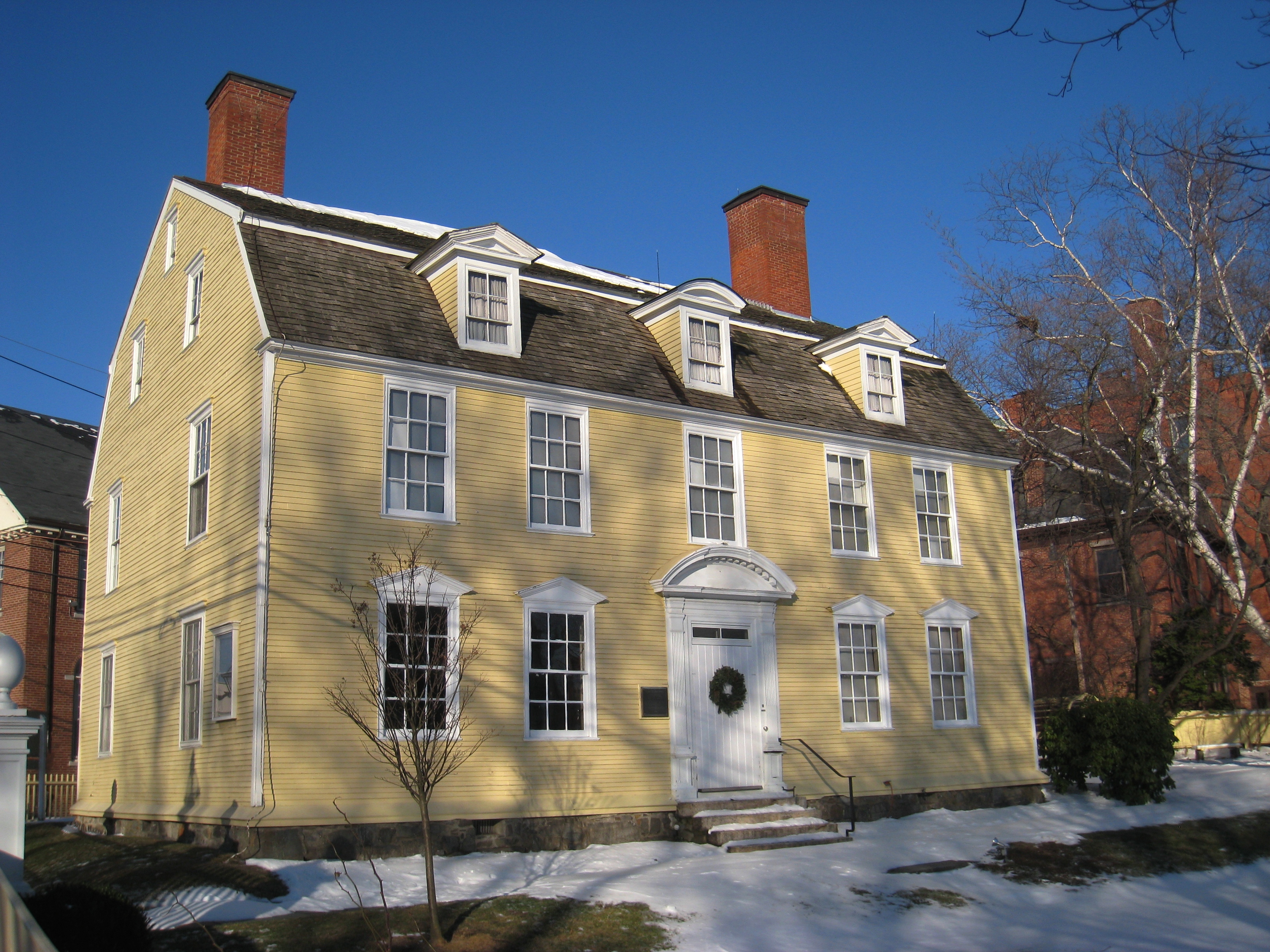
The house she's said to haunt is the oldest standing home in town. Valentine Hill, a sawmill man, built it in 1649 above the falls of the Oyster River, the timber ferried upriver by flat-bottomed barge. His son added a second story around 1699, the room that fronts the dining hall now. The house survived a 1694 raid that devastated the settlement around it. It became the Three Chimneys Inn in 1997.
Hannah is said to be Valentine Hill's daughter, though the record is thinner than the legend. What's known is small and strange: she married around 1659, at roughly twenty, and then she simply stops appearing in the documents. No death entry. No will. No burial. The story local tradition tells, to fill that silence, is that the Oyster River, a hundred feet behind the inn, took her. No record confirms she drowned, or how she died, or whether she died young at all. The drowning is what people say, not what the archive holds.
Not everyone agrees on who the ghost is. One tradition names Anna Pepperrell Frost, a later resident who died of typhoid in 1909 and whose funeral was held in the house. Hannah is the name the staff use.
The accounts beyond the electronics are quiet ones. Doors that lock themselves. A guest woken by the feeling of someone playing with her hair. Small barefoot prints, muddy, a woman's size, tracked across the dining room floor. One staff member said a wispy woman in old-fashioned clothing bid him "good morning" in the kitchen, and that he answered before he understood she wasn't a coworker. A UNH journalism major named Alyssa LeClair, who worked there, caught a footprint incident on video. "It was freaky," she said. "I experienced an intense sensation."
No source calls her cruel. She turns off the power, types her keypads backwards, and goes on as if the building were still hers, which, for longer than anyone working there has been alive, it was.