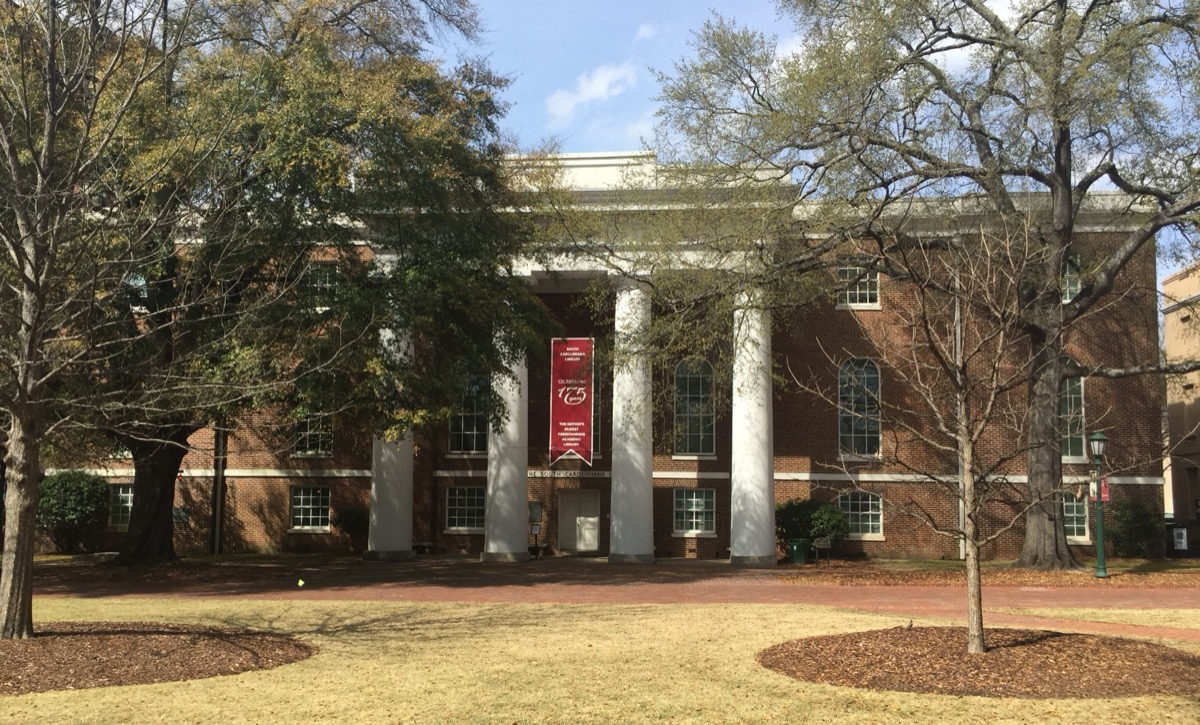
The South Caroliniana Library in Columbia, South Carolina keeps the only grave on the University of South Carolina campus out front. For years the emergency call box beside it went off with no one there. Staff blame the president buried below, dead since 1944.
The emergency call box outside the South Caroliniana Library in Columbia, South Carolina used to go off on its own. It sat beside a grave, the only grave on the whole University of South Carolina campus. Every time the box tripped, campus police sent an officer down to it, and every time, no one was there.
"It would go off periodically throughout the week," Officer Eric Grabski said, "and, inevitably, every time we would send an officer there was nothing there. We had facilities check it out and there was nothing wrong with the call box."
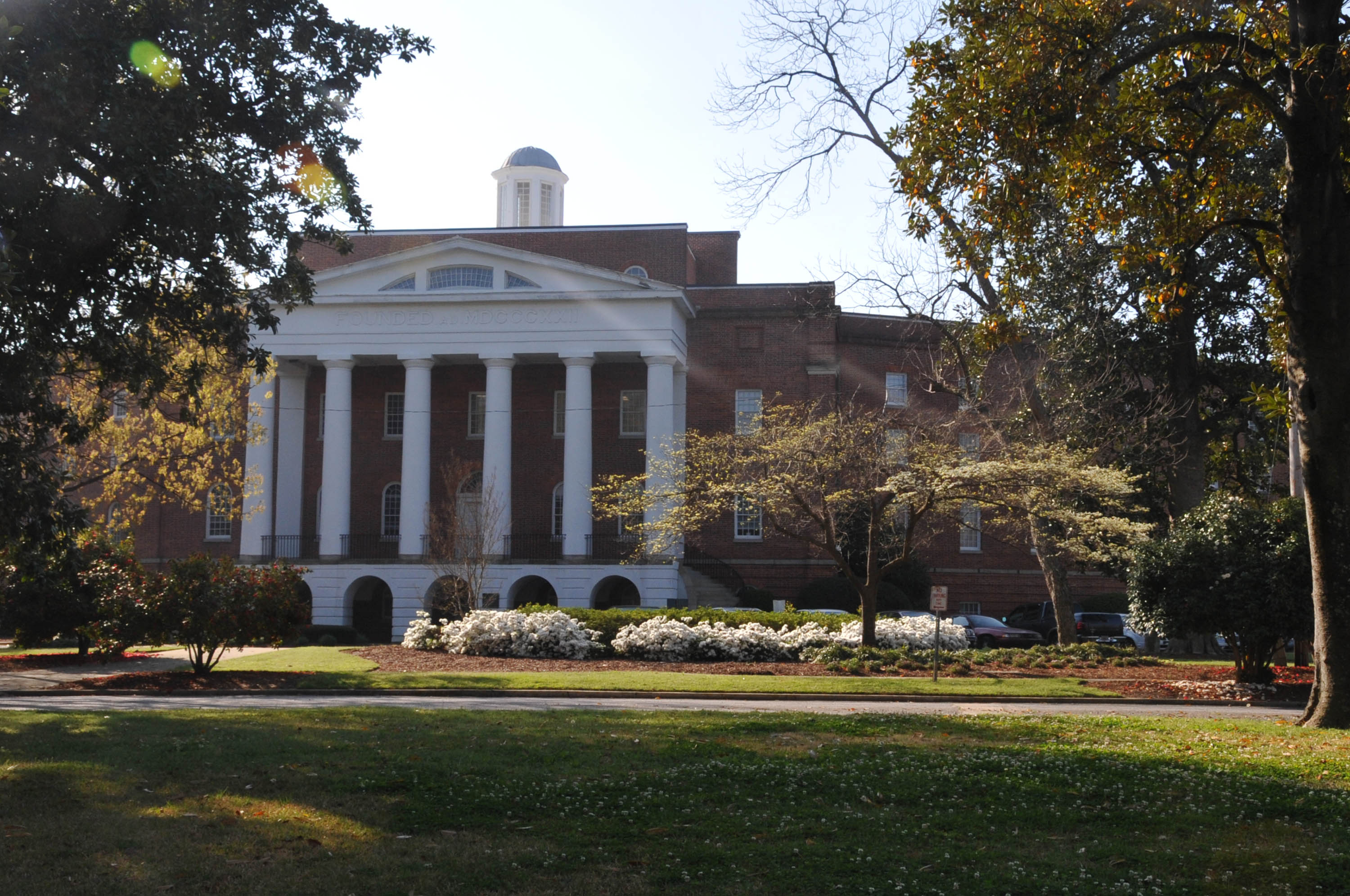
The grave holds James Rion McKissick, university president from 1936 until a heart attack killed him suddenly on September 3, 1944. He had helped build up the library, donating more than 5,000 of his own books, manuscripts, and papers to it. When he died, the students petitioned the board of trustees for the honor of burying him on campus, and he was laid to rest in front of the library's doors. His coffin had lain in state up the Horseshoe first, in the memorial library that carries his name.
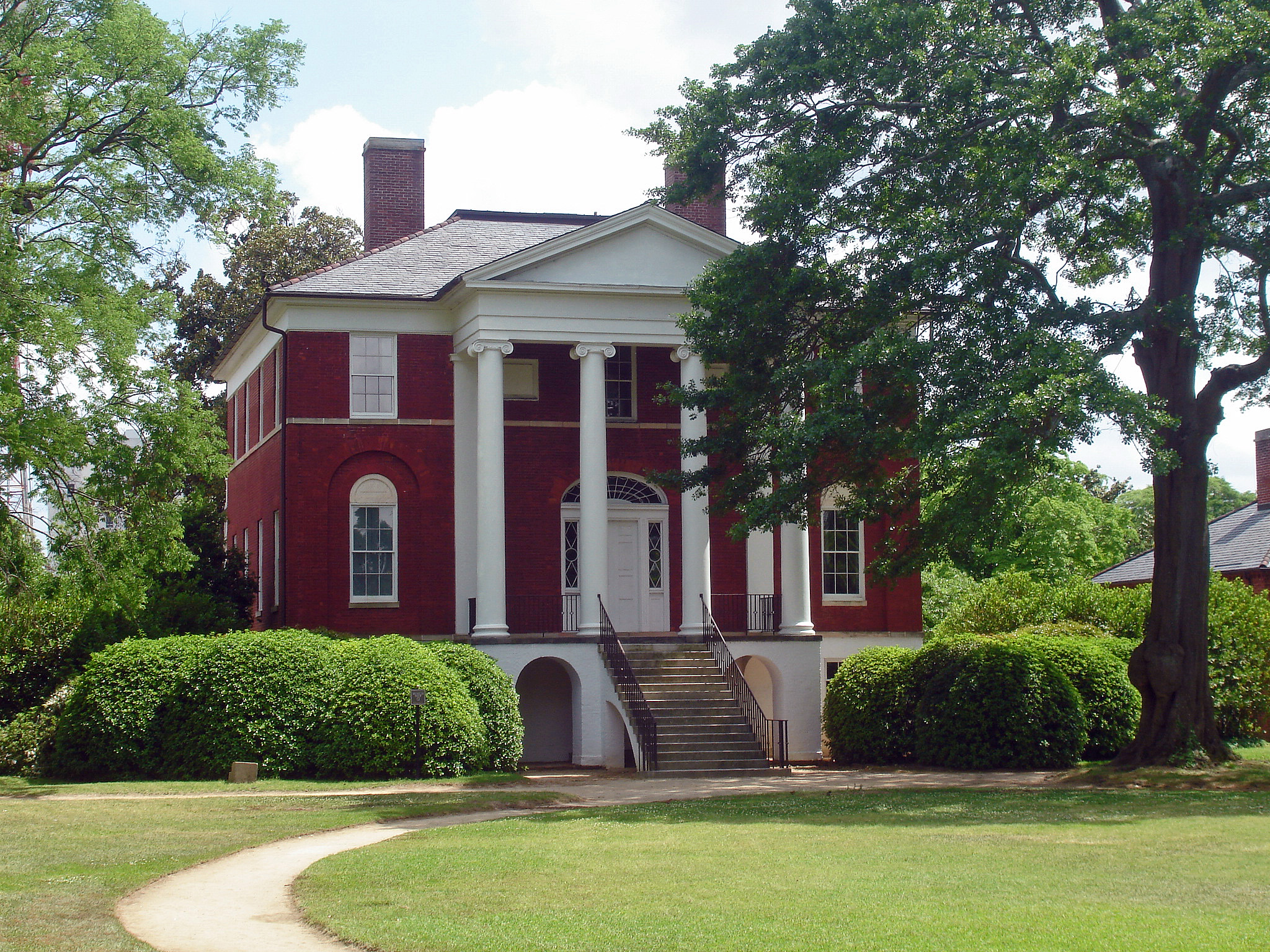
The library he'd given his books to was already the oldest of its kind in the country. It was finished in 1840, the first freestanding college library in the United States, a year ahead of Harvard's and six ahead of Yale's. Robert Mills designed it, the South Carolina architect who would later design the Washington Monument. Four white columns front it, and its reading room was built as a replica of the room that once held Thomas Jefferson's library.
McKissick never really left, the staff say. At the McKissick Museum up the Horseshoe, where his coffin once lay, collections manager Mark Smith has spent decades listening to it. "I started here as a student in the '80s, and there have just been little things going on ever since," he said. "I've heard footsteps, I've heard knocking, things have gotten moved, labels have fallen off, pictures have been crooked." The odd things have piled up for years, and the staff pin all of them on one man. Smith calls him a friendly ghost. "When some little strange things happen, we always say J. Rion McKissick did it."
Every fall, student ambassadors lead a ghost tour of the Horseshoe where visitors get acquainted with the president who haunts the South Caroliniana. And the campus keeps one quiet legend about the man buried out front: if the library's lights are burning late at night, that's McKissick, still inside, going through the books.