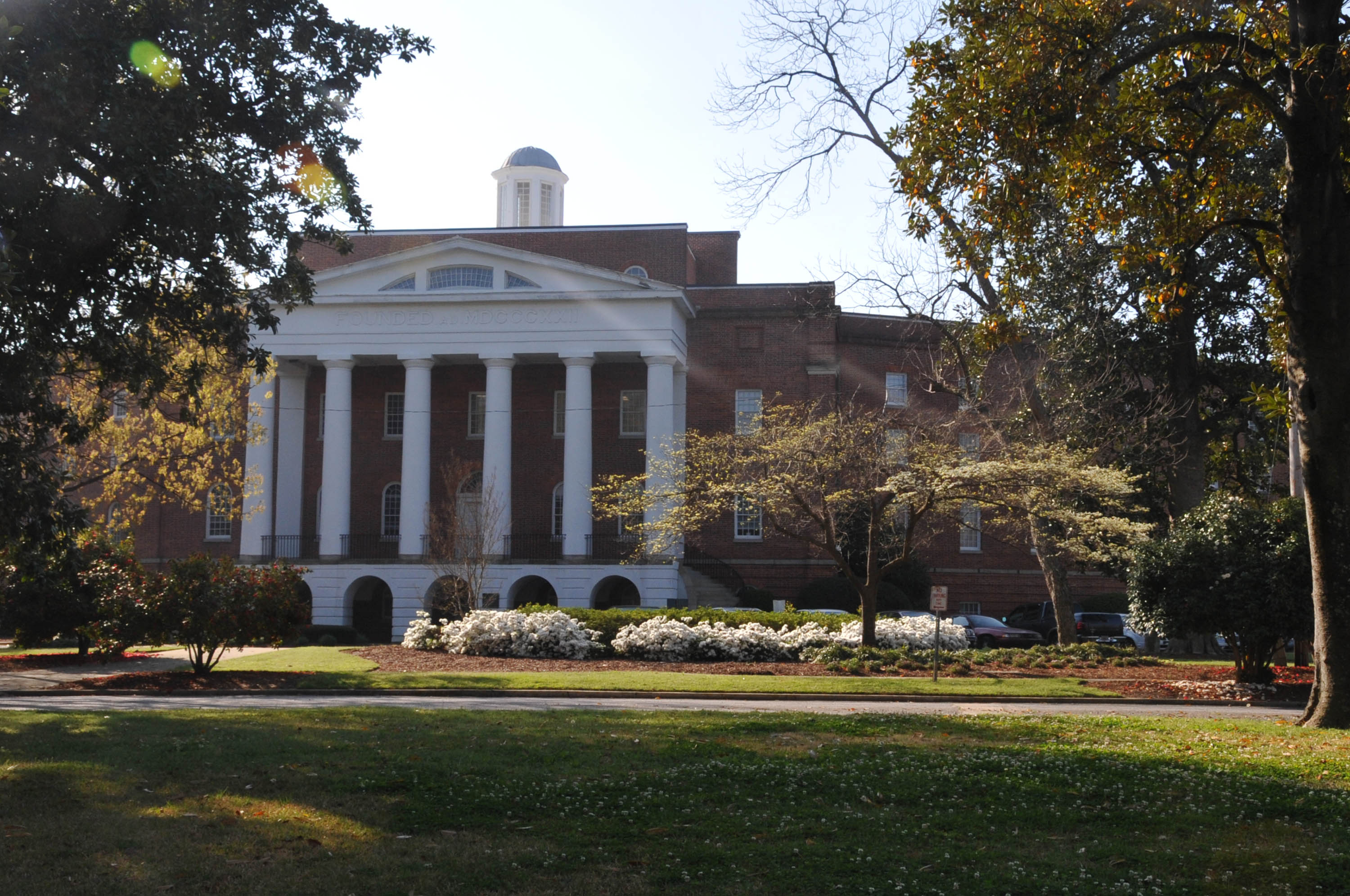
The abandoned Babcock Building on Bull Street in Columbia, South Carolina, was the state asylum for nearly two centuries. By 1900, roughly a third of its patients died every year in state care. The shadow reported in its windows is the smaller haunting.
In 2006, an ambulance worker eating lunch outside the abandoned Babcock Building in Columbia, South Carolina looked up and saw a figure standing in an upper window. When he noticed it, it was gone.
For most of two centuries, that building was the main hall of the South Carolina State Hospital, the asylum everyone in Columbia called Bull Street. "I'll send you to Bull Street" was the threat parents used on children who misbehaved, and every family in the city knew what it meant.
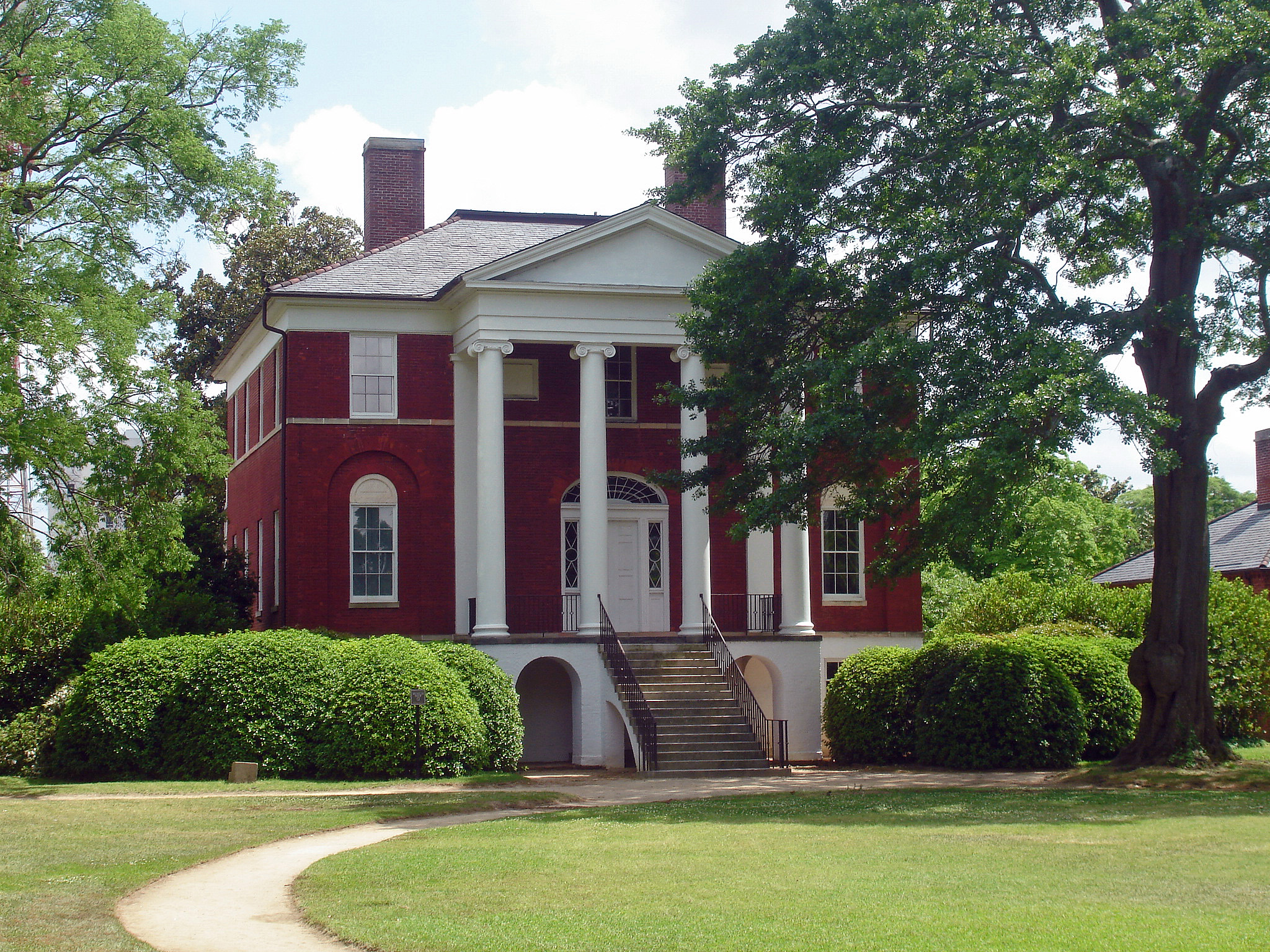
It didn't begin that way. South Carolina authorized the asylum in 1821, the second state in the nation to fund one, and meant it as humane care. The original building was designed in part by Robert Mills, who later designed the Washington Monument. More than 20,000 people passed through its wards in the first century. By 1900 the hospital held more than 1,000 patients, and roughly a third of them died every year in state care.
One of them was Mary Allston, a Lowcountry aristocrat committed in 1848. "My poor weak shattered Nerves are truly harrassed and tortured by being in a Madhouse," she wrote. She was removed after five years.
The grounds did other work along the way. From late 1864 into 1865, the campus held Union prisoners of war, and when the hospital was evacuated as Sherman's army closed on Columbia, a captured Union officer named S.H.M. Byers hid in the attic rather than be marched out with the rest.
The Babcock Building takes its name from Dr. James Woods Babcock, the superintendent who in 1907 became one of the first American doctors to document pellagra at the hospital. It was a niacin deficiency that mimicked madness, and it was sending malnourished Southerners to asylums where better food might have saved them. Babcock went on to found the National Association for the Study of Pellagra and served as its first president.
The Babcock stood empty after 2003 and caught fire twice. In September 2020, its red-domed cupola, visible across Columbia for more than a century, collapsed into the flames. People still report the shadow in an upper window, and hospital sounds in the sealed halls. Those are the small hauntings.
Thousands of the dead were buried on the grounds in graves no one marked. The old segregated cemetery for Black patients, in use until 1922, now lies beneath a golf center, where a net is strung overhead to keep golf balls off the ground the graves are believed to be under.