During the 1982 candlelight tours at the Hampton-Preston Mansion in Columbia, South Carolina, a docent locked the emptied house, set the alarm, and looked back to find every candle in the sitting room burning again. Police found it still locked.
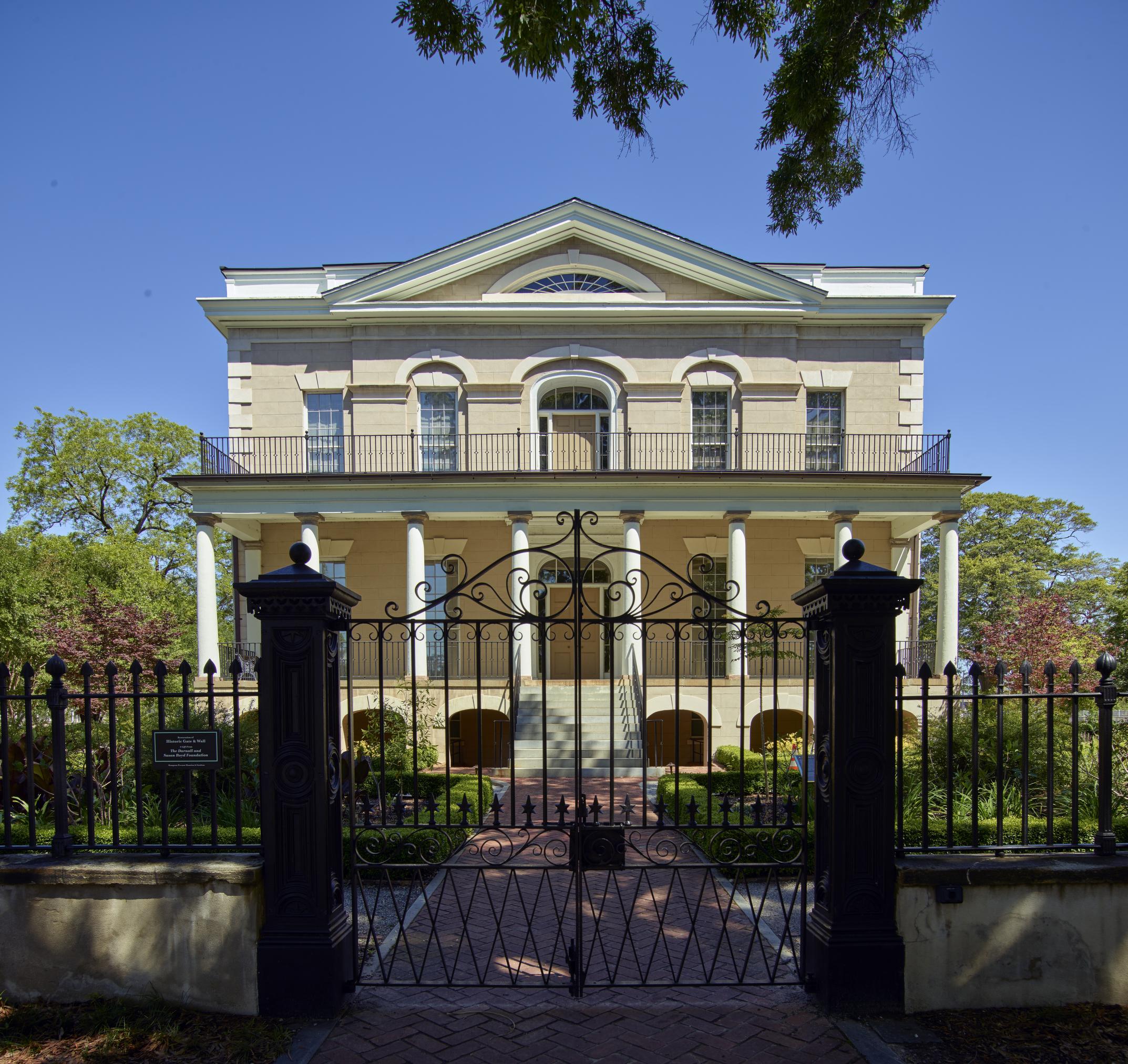
The Hampton-Preston Mansion in Columbia, South Carolina keeps a story with a date, a witness, and a security system that should have caught someone. During the 1982 Christmas candlelight tours, a docent walked the last group out, checked that every candle was dark, locked the house, and set the alarm with a firefighter beside her — state law put him there whenever the tour used open flame. From the sidewalk she looked back at the windows. Every candle in the sitting room was burning again. Police came and confirmed what she already knew: the house was locked, the alarm was armed, and no one had gone back in.
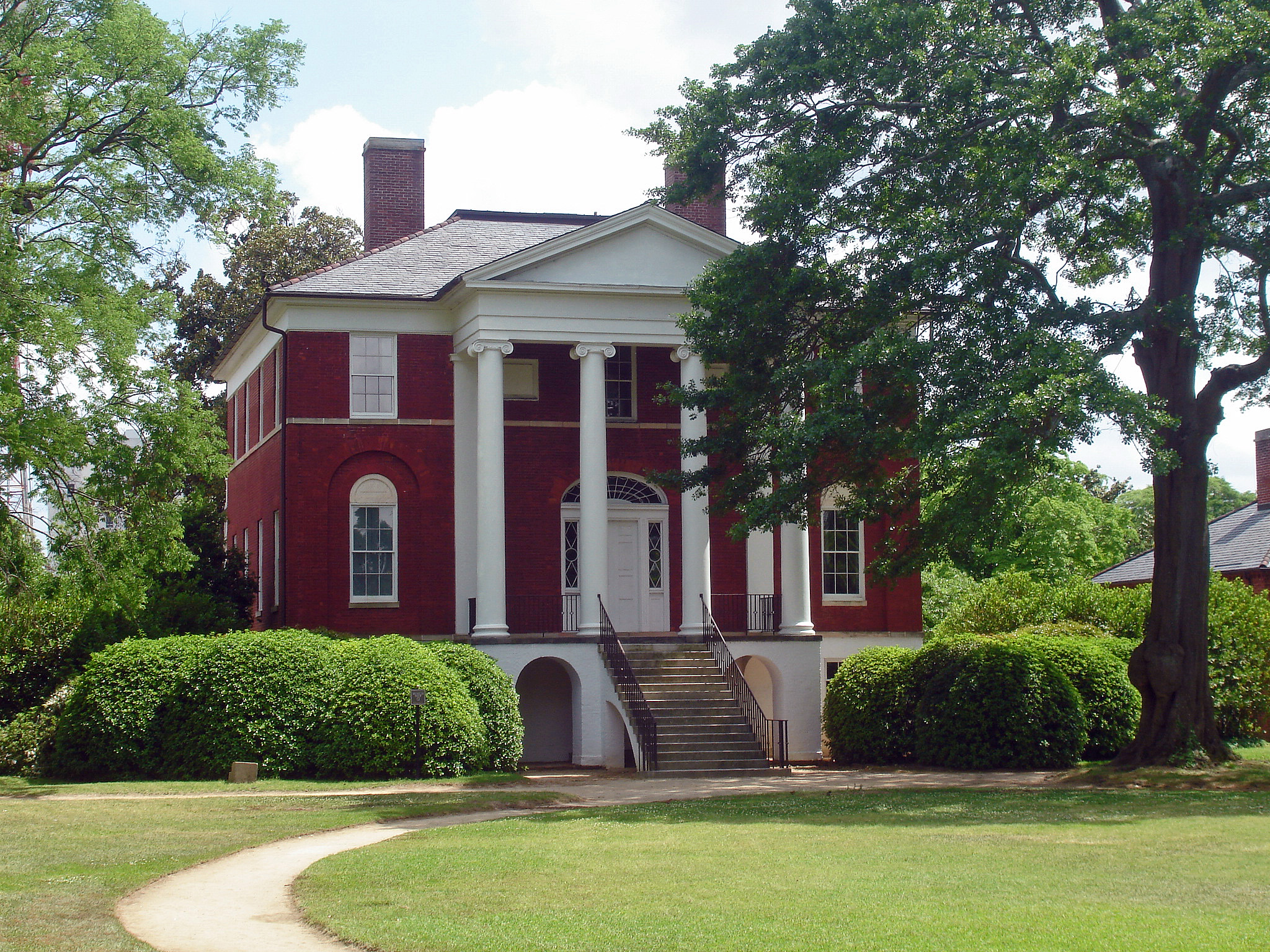
The house had been standing on Blanding Street since 1818, built for a Columbia merchant named Ainsley Hall. In 1823 the War of 1812 general Wade Hampton I bought it, and for the next several decades it belonged to the wealthiest families in the state. Presidents Millard Fillmore and Franklin Pierce came through the front rooms; so did Senator Daniel Webster. The circular mahogany staircase and the white marble mantel carved by Hiram Powers were built to be shown off.
The money that built them came from enslavement. The Hamptons and the Prestons held hundreds of enslaved men, women, and children across Louisiana and South Carolina, and it was enslaved workers who built and tended the four acres of gardens the estate was famous for.
The house should not have survived the war. In February 1865, Sherman's army burned Columbia to the ground around it. The mansion lived, and there are two explanations. The record credits its use as headquarters for Union Major General John A. Logan. The story people tell credits a nun — a sister from the burned Ursuline convent nearby who, legend holds, begged to shelter there and saved the house by filling it with refugees.
Whatever kept it standing, people keep finding company inside it. Docents working after hours describe a feeling of being watched, and what one account calls "another presence looming" in the rooms. A photograph taken one afternoon before a storm is said to show the faint figure of a woman beneath the staircase — no photographer named it, no date is attached to it, and the shape is soft enough that you can talk yourself out of it if you want to.
The candles are harder to talk your way out of. They were counted, and dark, and locked inside a house wired to catch intruders. The docent watched them come back from the street. And whatever relit them did it in the one room the tour had just left, as if it had been waiting for the last living person to leave.